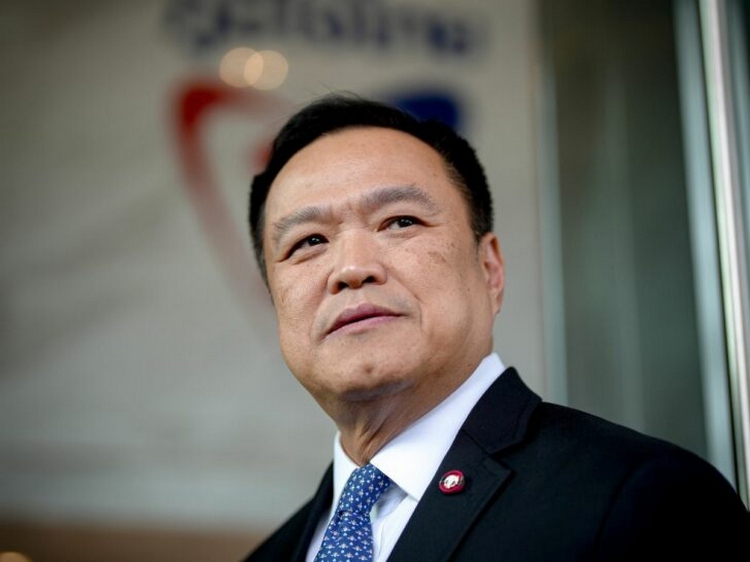
The decision by Peoples Party to back Anutin Charnvirakul, the leader of Bhumjaithai, for the premiership means that a House of Representatives floor vote now would mean he is successful. Between them, the two groupings have around 212 votes which, together with small parties’ support already guaranteed, would exceed the minimum 250 votes to succeed.
To activate the scenario with Peoples Party, Anutin has to agree to call a general election in four months and organize a referendum (if necessary) to begin the process of rewriting the constitution. However, Peoples Party will remain in opposition during the interim period, although voting for Bhumjaithai on crucial votes. It’s an unusual coalition in Thai historical terms.
Peoples Party has decided to back Anutin, rather than the ruling Pheu Thai party, likely because the latter reneged on its promise in 2023, post general election, to go into coalition together. Instead, Pheu Thai formed a separate coalition with pro-military rump parties which has now broken down. But the initial pact resulted in Peoples Party, the largest party in parliament, being deprived of the chance to govern.
Meanwhile Pheu Thai, the caretaker administration, has sought royal approval for a House dissolution immediately which would lead to a snap election and thwart the proposed Anutin plans with Peoples Party. Pheu Thai acting prime minister Phummtham Wechayachai said that an election now would prevent Bhumjaithai from forming an unstable coalition with other parties.
But the Council of State, a legal advisory body for the Royal Thai government, has stated that an acting or caretaker prime minister cannot dissolve parliament. A non-caretaker premier would require a successful vote in the House of Representatives which Pheu Thai likely recognizes it would lose. For the time being, Thai politics will continue in very high drama.