

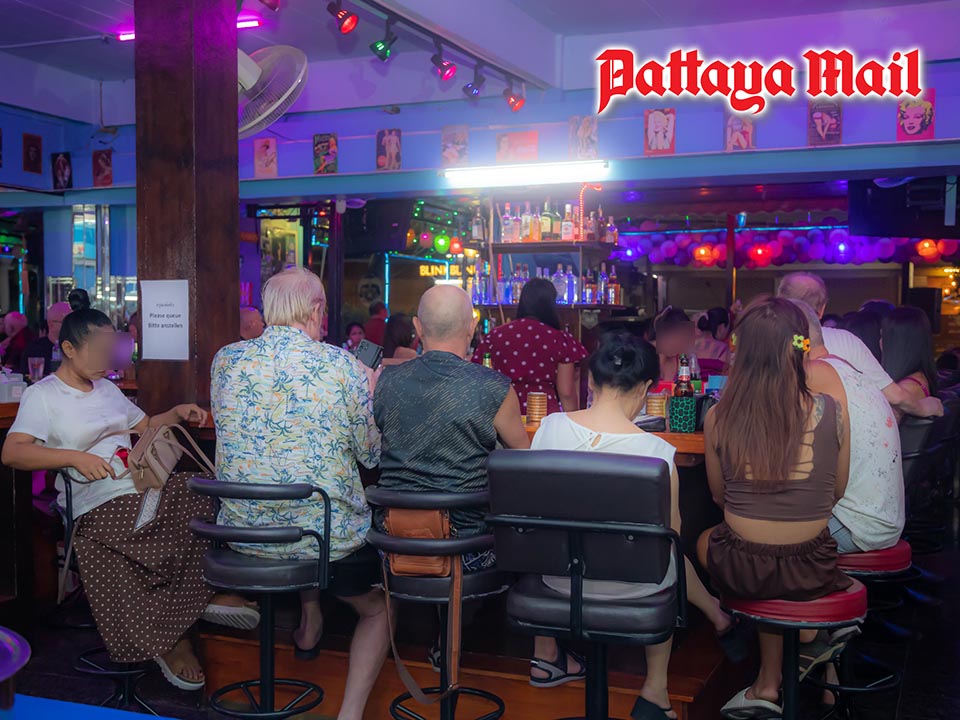
PATTAYA, Thailand – Pattaya’s nightlife businesses are hoping international tourists will spend more during the coming high season, as Thailand prepares for a year of global economic uncertainty in 2027 that could affect visitor purchasing power and tourism revenue.
Deputy Prime Minister and Finance Minister Ekniti Nitithanprapas outlined five major risks to the global economy during a special address titled “Thailand Next Economy 2027: The Future of Thailand’s Economy,” organised by the Economic Reporters Association on October 22.
The risks include geopolitical conflicts and trade wars, persistently high interest rates, advances in artificial intelligence, climate change and energy market volatility. These pressures could affect Thailand’s economic outlook and the spending capacity of international travellers.
The government plans to maintain fiscal discipline while providing targeted assistance to vulnerable groups. Other priorities include encouraging small businesses to use artificial intelligence to improve efficiency, promoting household solar installations and attracting investment in industries expected to drive future economic growth.
For Pattaya, where tourism is a major source of income, the wider economic outlook matters well beyond hotels and tour operators. Spending by international visitors also supports restaurants, bars, pubs, entertainment venues, transport providers, shops and thousands of workers whose livelihoods depend on tourism.
Nightlife operators will be watching whether visitors are willing to spend more freely during the high season, when the city traditionally welcomes tourists seeking entertainment, dining and social activities. Long-stay international visitors also contribute to local spending through regular visits to pubs and bars, meals and other leisure activities.
However, the outlook for 2027 will depend on several factors, including global economic conditions, operating costs and tourists’ disposable income. Even if visitor numbers remain healthy, businesses may face pressure if customers shorten their stays, reduce discretionary spending or become more selective about where they spend their money.
Pattaya’s tourism economy also extends beyond individual venues. Money spent by visitors circulates through accommodation providers, suppliers, employees, transport services and other local businesses, making tourist spending an important part of the city’s wider economic activity.
As the high season approaches, operators will be hoping that Pattaya can attract visitors while encouraging them to stay longer and spend across the city. Competitive prices, reliable service and a welcoming experience will remain important as businesses prepare for another year of uncertain global conditions.
The challenge for Pattaya in 2027 may therefore be not only to attract international visitors, but also to ensure that they continue spending enough to support the businesses and workers who depend on tourism.