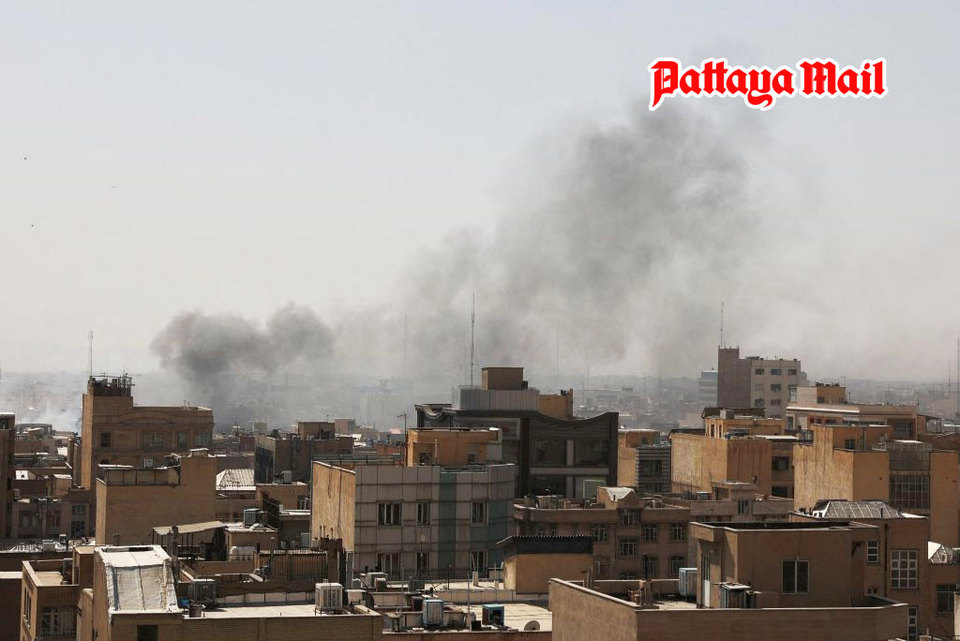
PATTAYA, Thailand – The rapid escalation of tensions between United States Israel and Iran on 28 February 2026 is no longer a regional military development. It has become a macroeconomic variable with the potential to reshape global financial conditions. The key transmission channels are energy, risk assets, currencies, commodities, and global trade flows. The most immediate reaction has been in crude oil markets. Iran is a major oil exporter and holds strategic influence over the Strait of Hormuz, one of the world’s most critical energy chokepoints. Even without an actual disruption in supply, markets price in geopolitical risk rapidly. A widening conflict raises the probability of shipping interruptions, which embeds a risk premium into oil prices. If hostilities expand or maritime routes are materially affected, crude could revisit multi year highs.
Higher oil prices do not stop at the pump. They transmit through electricity costs, transportation, manufacturing inputs, and eventually consumer prices. This creates renewed inflationary pressure at a time when many central banks were preparing or were expected to ease policy. For economies like Thailand, which import more than 80% of their energy consumption, sustained elevated oil prices would likely feed directly into domestic inflation via fuel, power tariffs, logistics costs, and consumer goods pricing.
In capital markets, geopolitical escalation typically triggers a “risk off” rotation. Investors reduce exposure to equities and higher beta assets and move into perceived safe havens such as gold and government bonds. Portfolio volatility increases even in markets not directly connected to the conflict. Thai equities, for example, may experience pressure driven more by global sentiment and capital flows than by domestic fundamentals.
Gold tends to benefit from heightened geopolitical uncertainty, reflecting demand for hedging rather than productive return. While gold may appreciate in the short term, it remains a non yielding asset and therefore functions primarily as a risk management allocation rather than a growth engine.
Cryptocurrency markets also tend to experience elevated volatility during geopolitical shocks. In periods of acute uncertainty, investors often reduce exposure to highly speculative assets. Bitcoin and other digital assets may see sharp swings as liquidity conditions tighten and risk appetite contracts.
Currency markets represent another critical channel. During crises, capital typically flows into reserve currencies such as the US dollar, Swiss franc, or Japanese yen. Emerging market currencies including the Thai baht may weaken in the short term due to capital outflows. A weaker baht raises import costs, reinforcing inflationary pressures domestically. For expatriates earning in foreign currency, exchange rate movements may create temporary advantages or disadvantages depending on timing and positioning.
Trade and logistics are also vulnerable. If key maritime routes such as the Strait of Hormuz or Red Sea corridors become risk zones, shipping insurance premiums and freight costs can rise sharply. Even countries not directly involved in the conflict can face higher export costs and longer delivery times. For Thailand, a trade dependent economy, sustained disruption could weigh on competitiveness in European and Middle Eastern markets.
The broader macroeconomic implication, however, extends beyond oil and market volatility. The central risk is the potential destruction of the prevailing expectation that the global economy was entering a synchronized rate cut cycle. Prior to this escalation, markets were increasingly pricing in monetary easing as inflation moderated. A sustained energy shock would complicate that trajectory. Central banks could face a renewed inflation impulse, forcing them to delay or slow rate reductions despite slowing growth.
If that scenario unfolds, the world may shift from anticipated monetary relief to a prolonged period of restrictive financial conditions. Elevated borrowing costs, persistent inflationary pressure, and volatile capital flows could define the next phase of the cycle.
In summary, if the conflict broadens or persists, the consequences extend far beyond the battlefield. Oil prices may remain elevated, equity markets volatile, gold supported, cryptocurrencies unstable, currencies under pressure, and global trade more expensive. More importantly, the expectation of an imminent global rate cut cycle could be fundamentally challenged reshaping asset pricing, capital allocation, and economic outlooks worldwide.