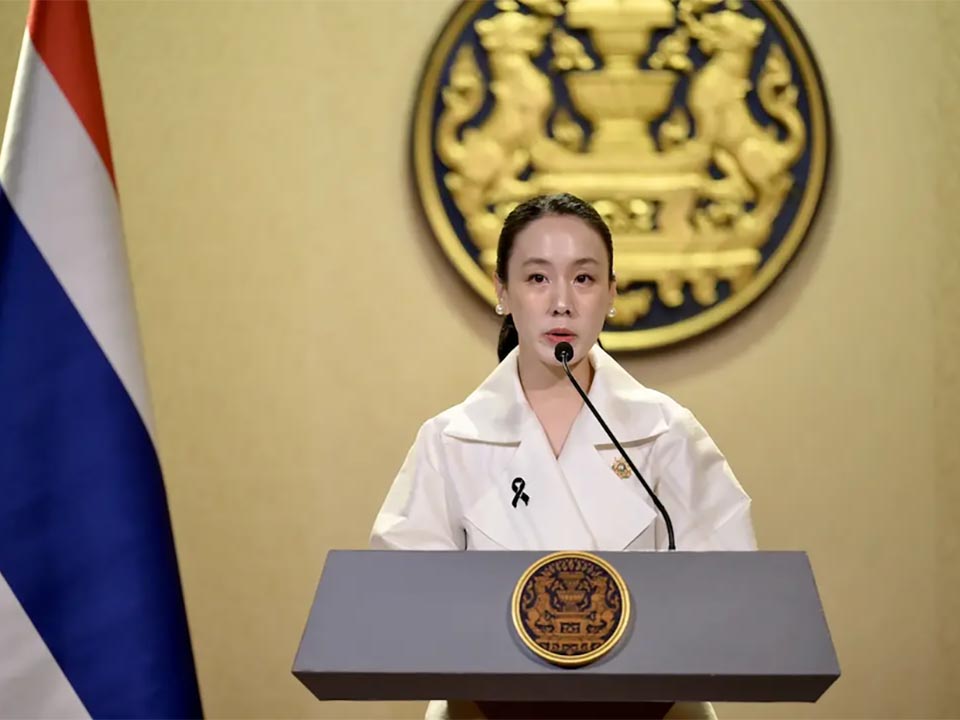
BANGKOK, Thailand – The Thai government has confirmed that negotiations for the Thailand-European Union Free Trade Agreement (FTA) are ongoing and has dismissed rumors that Thailand has already agreed to the UPOV 1991 convention, which some claim would remove farmers’ rights to save seeds. Deputy Government Spokesperson Lalida Perisvivatana stated on September 21, 2026, that the Ministry of Commerce, led by Deputy Prime Minister and Minister of Commerce Suphajee Suthumpun, is closely monitoring the intellectual property and plant protection aspects of the negotiations. She emphasized that the EU’s proposal regarding the 1991 International Convention for the Protection of New Varieties of Plants (UPOV 1991) is only a starting point for discussions and does not reflect any agreement by Thailand.
Under current domestic law, specifically Section 33 of the Plant Varieties Protection Act B.E. 2542 (1999), farmers have the legal right to save and replant propagating materials they produce, subject to certain conditions. The law also exempts activities for education, research, and non-commercial plant breeding. The spokesperson clarified that while unauthorized commercial sale of protected plant varieties is illegal, it is incorrect to claim that current laws prevent farmers from saving seeds for personal use. Addressing concerns about UPOV 1991, the spokesperson explained that while the convention strengthens breeders’ rights, Article 15(2) allows member states to create domestic exemptions so farmers can reuse seeds on their own land. Therefore, claims that the convention completely bans seed saving are inaccurate. The government emphasized that the final impact on farmers’ rights will depend on the outcome of negotiations and future domestic legislation.
The Deputy Prime Minister has instructed negotiators to balance international trade and agricultural innovation with protecting farmers’ rights, biodiversity, and national food security. The Ministry of Commerce is working with the Department of Agriculture, the Department of Intellectual Property, and health agencies to thoroughly assess all potential impacts. The spokesperson added that any finalized FTA will not automatically change Thai law, as agreements under Section 178 of the Constitution require formal parliamentary review and the standard legislative process before amending any domestic regulations. (NNT)