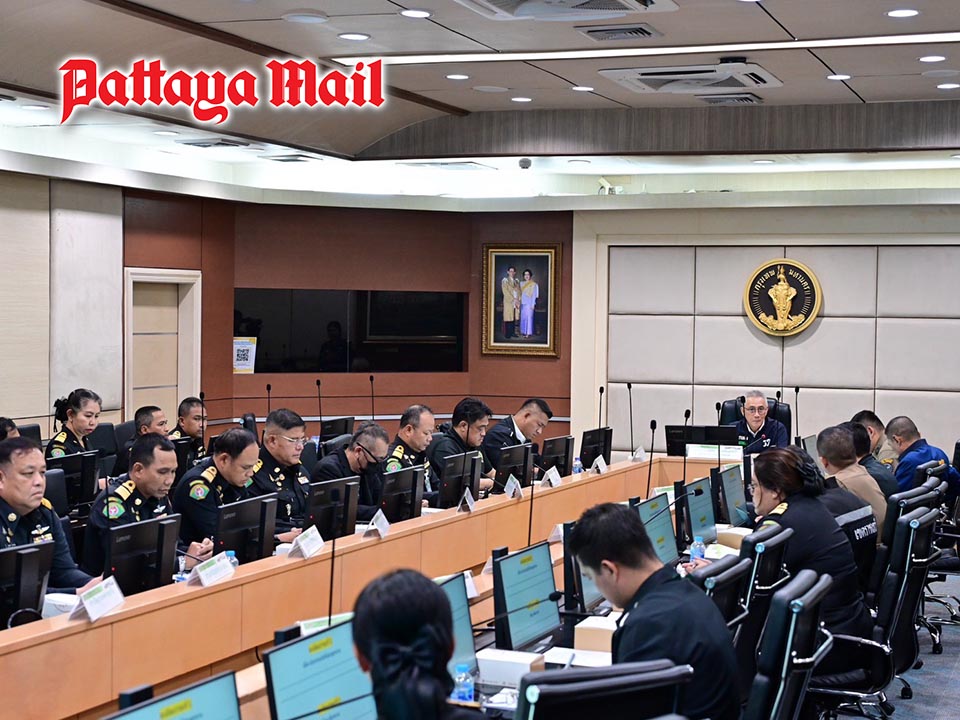
BANGKOK, Thailand – Bangkok authorities are stepping up inspections of foreigners suspected of working in occupations reserved for Thai nationals, after 36 people were found in violation during a two-month pilot operation covering 10 districts. Pol. Gen. Adis Ngamjitsuksri, adviser to the Bangkok governor, chaired a meeting with the Bangkok Metropolitan Administration’s municipal enforcement officials and police from Thong Lor, Lumpini, Pathum Wan and Bang Rak stations to establish a coordinated approach to the issue. The inspections have focused particularly on major roads and pavements where complaints have been received from residents and through social media.
Authorities have received reports of foreigners using carts to sell fruit, fruit drinks and food in public areas, prompting inspections of businesses and street vendors in affected locations. The two-month pilot operation covered Phra Nakhon, Samphanthawong, Bangkok Noi, Din Daeng, Ratchathewi, Watthana, Khlong Toei, Pathum Wan, Bang Rak and Pom Prap Sattru Phai districts. Officials said 36 people had been dealt with for suspected violations. Some were unable to produce identification or work-related documents, while others raised questions over their registered employment status.
In some cases, officials found that foreigners had originally been registered as labourers but had subsequently left their employment to work independently. Authorities have also received information from members of the public that some foreigners previously arrested for illegal work had returned to the same locations to sell goods.
One reported location was near the entrance to Soi Sukhumvit 22, where officials have instructed district offices to maintain regular inspections to prevent repeat offences. Pol. Gen. Adis said authorities need clearer information about where registered foreign workers are located, who their employers are and what occupations they are engaged in. He said foreigners working independently without an employer, where such work is not permitted under Thai law, must also be examined.
Worachon Thawornphong, deputy director of the BMA’s Municipal Enforcement Department, said municipal officials face limitations because they do not have extensive legal powers to deal directly with immigration and employment offences. Municipal officers can take action concerning the sale of goods in public areas, but detaining foreigners and pursuing criminal proceedings requires coordination with police. The latest meeting therefore focused on establishing common operating procedures between the BMA and police in the designated districts, allowing officials to work in the same direction and enforce the law more effectively.
Previously, when municipal officers found suspected offenders, they contacted local police to take them into custody for further legal proceedings. Cases have included suspects fleeing before police arrived, while others were taken to court. In some cases, foreigners were detained and subsequently returned to their countries of origin through the appropriate procedures.
Pol. Gen. Adis said the BMA would continue enforcement within the authority of municipal officials while maintaining close coordination with police. The city may also deploy plainclothes municipal officers to observe locations and conduct initial checks. If they encounter foreigners suspected of violating employment laws, police will be contacted to carry out further action under the law.
The pilot operation is expected to be expanded beyond the initial 10 districts, with authorities preparing to extend inspections across all 50 districts of Bangkok. (TNA)