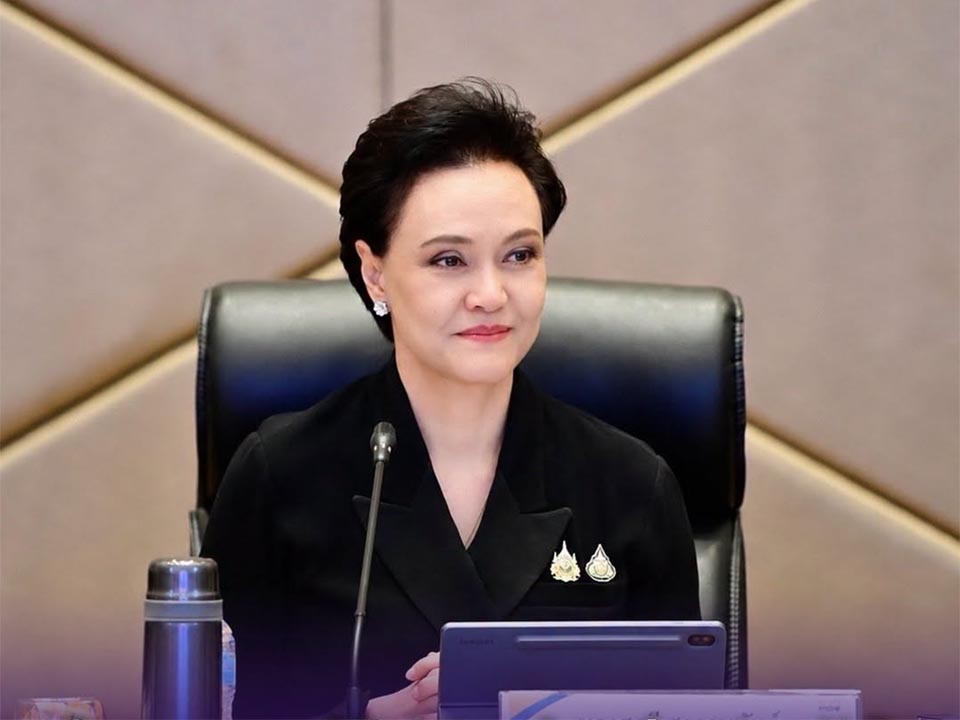
BANGKOK, Thailand – Deputy Prime Minister and Minister of Commerce Suphajee Suthumpun announced that the Ministry of Commerce is negotiating with the United States to address recent tariff changes and finalize an Agreement on Reciprocal Trade to protect national economic interests.
These trade developments result from several US policy changes. On April 2, 2025, President Donald Trump invoked the International Emergency Economic Powers Act, initially proposing a 36 percent tariff on Thai imports, which was later reduced to 19 percent. After the US Supreme Court struck down this measure on February 24, 2026, a temporary 10 percent global tariff was imposed until July 23, 2026. On July 24, 2026, the US applied a 12.5 percent tariff on Thailand under Section 301, citing concerns about structural overcapacity and the lack of a ban on goods produced with forced labor.
In response, the Ministry of Commerce informed US officials that Thailand’s industrial capacity utilization is between 75 and 95 percent, refuting claims of excessive state subsidies. To address labor concerns, the government has introduced legislation to prohibit imports produced with forced labor, which is expected to be considered in the next parliamentary session. At the same time, Thailand is negotiating the Agreement on Reciprocal Trade to secure a more favorable 10 percent tariff rate. While the government accepts most trade conditions, officials are addressing concerns about three specific clauses to protect national security and the agricultural and industrial sectors.
To strengthen its negotiating position, Thailand is encouraging additional private-sector investment in the US, aiming to increase the total from 19.3 million to 24.8 million US dollars. The government is also seeking to expand the list of tariff-exempt goods, which currently includes 2,120 items in key export sectors. These include agricultural and food products, electronics, industrial goods, aerospace and medical materials, used clothing, artworks, collectibles, and antiques. (NNT)