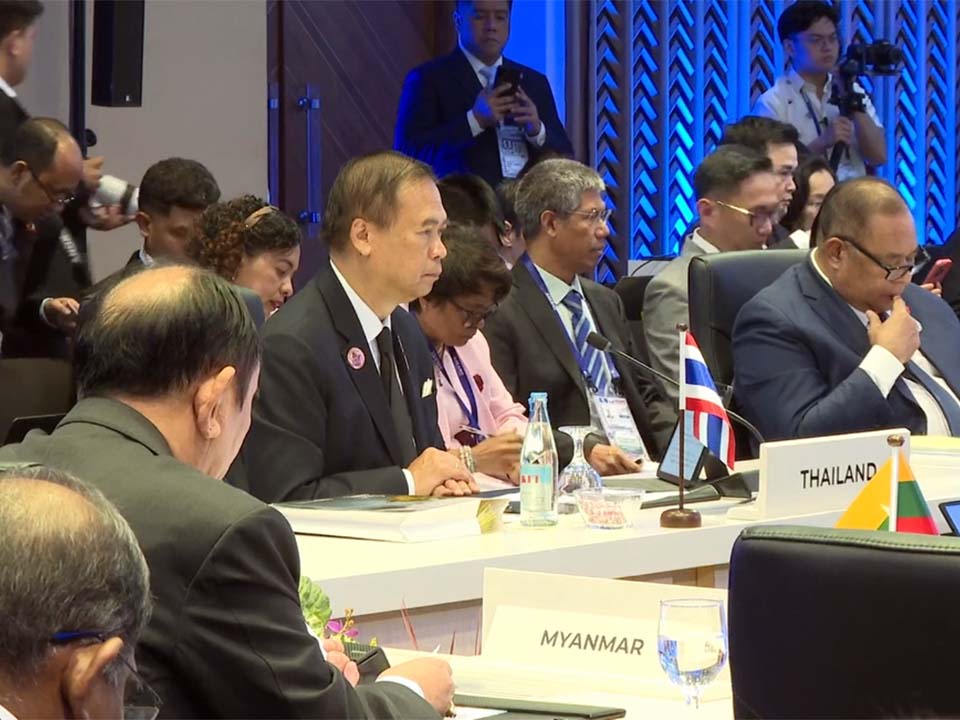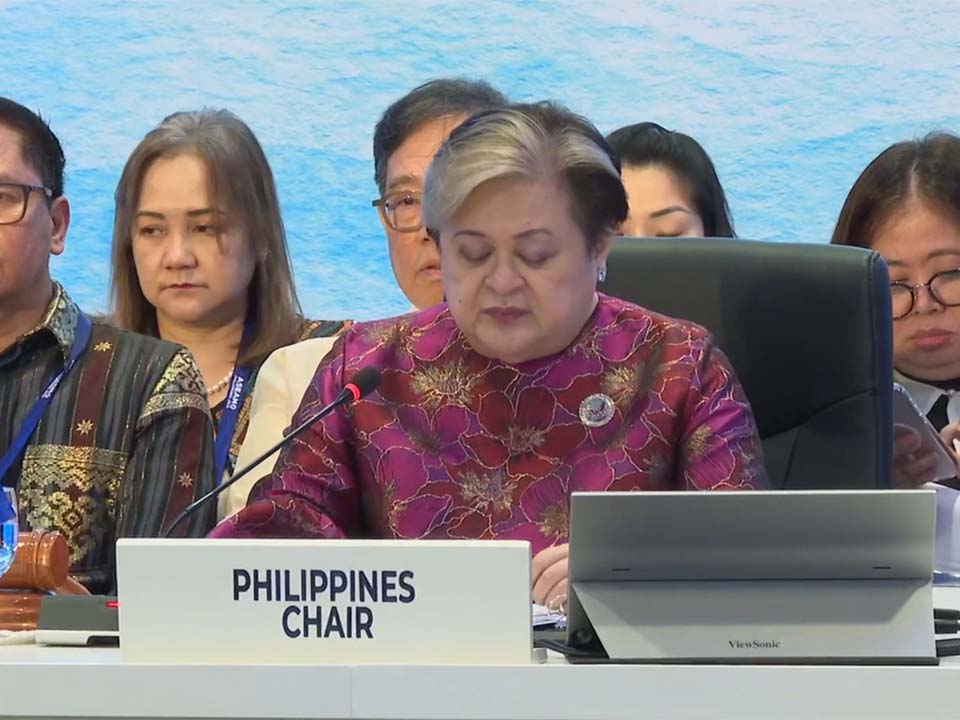
MANILA, Philippines – The ASEAN Foreign Ministers’ Meeting has officially commenced, with regional diplomats gathering to address regional stability, security, and the ongoing situation in Myanmar. Wichawat Isarabhakdi, Assistant to the Foreign Minister, attended the formal sessions on behalf of Sihasak Phuangketkeow, Deputy Prime Minister and Minister of Foreign Affairs. The meetings focus on strengthening regional resilience against emerging challenges and reinforcing ASEAN centrality in driving cooperation and conflict resolution. A key agenda item is the situation in Myanmar, building upon discussions from an informal meeting with the Myanmar foreign minister held in Thailand on July 12.
In the afternoon, Sihasak attended an informal ASEAN Foreign Ministers’ Meeting to discuss key issues of regional interest. This was followed by an evening session specifically focused on the situation in Myanmar, building upon discussions from an informal meeting with Myanmar’s foreign minister held in Thailand on July 12. ASEAN ministers are reviewing updates from that session to collaborate on restoring peace. Thailand has offered to act as a facilitator for talks between the Myanmar government and ethnic minority groups, operating under the framework of the ASEAN Five-Point Consensus. Additionally, ASEAN aims to send a special envoy—specifically the Philippine foreign minister—to meet with Aung San Suu Kyi to ensure she is receiving proper welfare and medical care.
Separately, the ASEAN foreign ministers issued an eight-point joint statement regarding the situation in the Middle East:
- ASEAN expresses deep concern over the rapidly changing situation in the Middle East, particularly the renewed clashes between the United States and the Islamic Republic of Iran, which undermine mediation efforts and diminish prospects for a peaceful diplomatic resolution.
- ASEAN urges all parties to exercise maximum restraint and refrain from actions that could escalate the situation, in order to maintain regional peace, stability, and prosperity.
- ASEAN reaffirms the importance of maintaining maritime security, as well as freedom of navigation and overflight through international straits, in accordance with international law.
- ASEAN recognizes the short-term and long-term impacts of the crisis on the livelihoods of people within the region, particularly vulnerable groups.
- ASEAN notes the prolonged impact on trade, energy, food security, supply chains, as well as prices and agricultural inputs such as fertilizers, emphasizing the need for close coordination within the bloc.
- ASEAN reaffirms the obligation of all states to settle disputes peacefully, respect sovereignty and territorial integrity, and protect civilians and infrastructure in conflict areas.
- ASEAN reiterates its collective commitment to providing emergency assistance to citizens of ASEAN member states.
- ASEAN recalls the ASEAN Leaders’ Statement on the Middle East crisis and stands ready to strengthen its position and utilize existing mechanisms with external partners to effectively mitigate impacts on the region. (TNA)