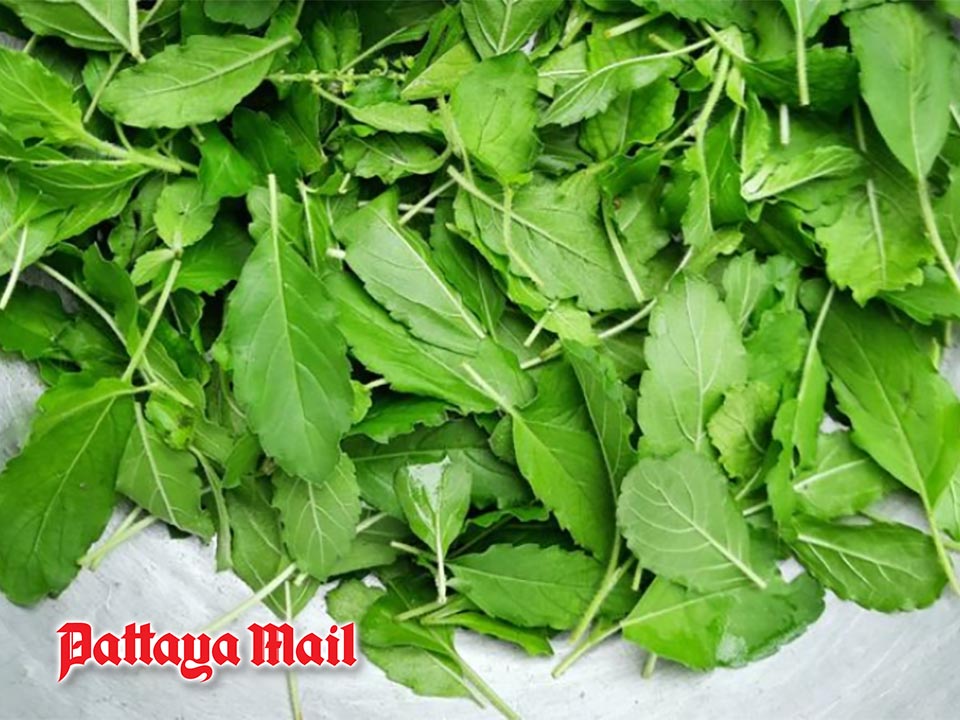
PATTAYA, Thailand – For many Thais, holy basil is simply the aromatic herb that gives pad krapao its unmistakable flavor and fragrance. It is a staple of street food stalls, home kitchens, and restaurants across the country. Yet beyond its culinary fame, holy basil has been revered for centuries as one of the most important medicinal plants in traditional medicine. Known scientifically as Ocimum tenuiflorum and commonly referred to as holy basil or sacred basil, the herb has been used in India’s Ayurvedic medical system for more than 5,000 years. There, it earned the title “Queen of Herbs” because of its reputation for promoting both physical health and mental well-being. In Thailand, holy basil has long been recognized as more than a cooking ingredient. Traditional herbal practitioners have used it to relieve bloating, indigestion, abdominal discomfort, and other digestive complaints. Its distinctive spicy aroma and warming properties have made it a household remedy passed down through generations.
More Than One Type of Holy Basil
Not all holy basil is the same. Thai markets typically offer two main varieties. Green holy basil, often called white holy basil, features larger bright-green leaves and a milder fragrance. It is commonly used in everyday cooking and is favored for its balanced flavor. Red holy basil, by contrast, has reddish-purple stems and smaller leaves with a stronger aroma and more intense peppery taste. Many Thai cooks prefer it for spicy dishes such as jungle curries, stir-fries, and soups, where its robust flavor can stand out among stronger ingredients. Some chefs say the most flavorful stir-fried basil dishes are made using red holy basil with flowering stems still attached, as the flowers add an extra layer of fragrance.
What Modern Research Says
While holy basil’s reputation was built through centuries of traditional use, modern scientific studies have begun examining many of its potential health benefits. Researchers have found that the herb contains a range of natural compounds with antioxidant and anti-inflammatory properties. Various studies suggest holy basil may help support cardiovascular health, assist with blood sugar management, promote digestive function, and help the body cope with stress. Other research has explored its possible role in lowering cholesterol levels, supporting liver health, and combating certain bacteria. Some studies have even investigated whether holy basil may help protect cells from oxidative stress, a process linked to aging and chronic disease. Although many findings remain under scientific investigation, experts generally agree that holy basil contains biologically active compounds that may contribute to overall wellness.
From Kitchen Staple to Herbal Tea
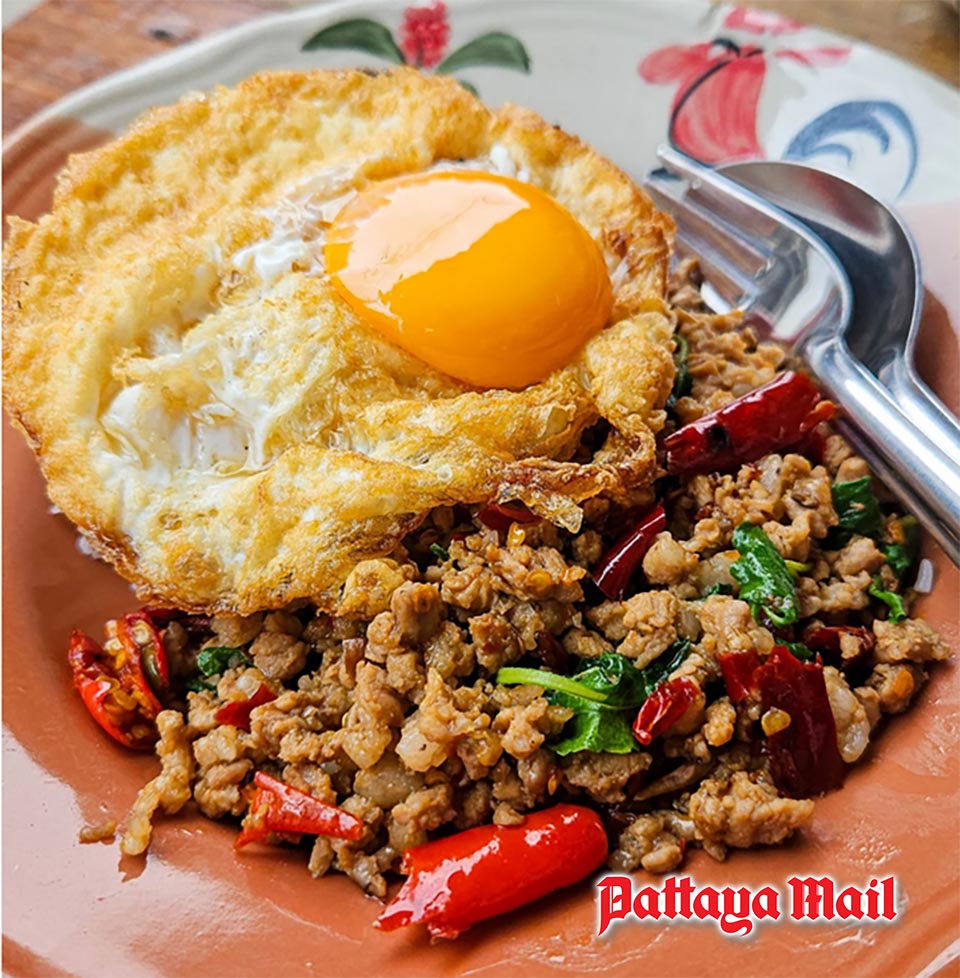
The easiest way to enjoy holy basil remains the simplest—through food. Fresh leaves are widely used in stir-fries, soups, curries, and salads throughout Thailand. Many people also brew holy basil tea using fresh or dried leaves, drinking it as a warm herbal beverage believed to aid digestion and promote relaxation. In recent years, holy basil has also become available in capsule form as a dietary supplement, while essential oils extracted from the plant are increasingly used in aromatherapy products marketed for stress relief.
Not Without Risks
Despite its long list of potential benefits, experts caution that holy basil should not be viewed as a miracle cure. The plant contains a compound known as eugenol, which contributes to many of its medicinal properties. While generally safe when consumed as part of a normal diet, excessive intake through concentrated extracts or supplements may cause side effects such as nausea, vomiting, diarrhea, or a rapid heartbeat. Certain groups should exercise particular caution. Pregnant or breastfeeding women are generally advised to consult healthcare professionals before using holy basil supplements. Some studies have also suggested that high doses of holy basil extracts could potentially affect male fertility, although further research is needed. In addition, because holy basil may have mild blood-thinning properties, people taking anticoagulant medications should seek medical advice before consuming concentrated forms of the herb.
A Humble Herb With a Remarkable History
For generations, holy basil has occupied a unique place at the intersection of food and medicine. Whether enjoyed in a sizzling plate of pad krapao, brewed into tea, or studied in scientific laboratories, the herb continues to attract attention for its potential health-promoting properties. While researchers are still working to fully understand its effects, one thing is clear: the humble holy basil found in kitchens across Thailand is far more than a simple garnish. For thousands of years, it has been valued as one of nature’s most versatile and respected herbs—earning its enduring reputation as the “Queen of Herbs.”