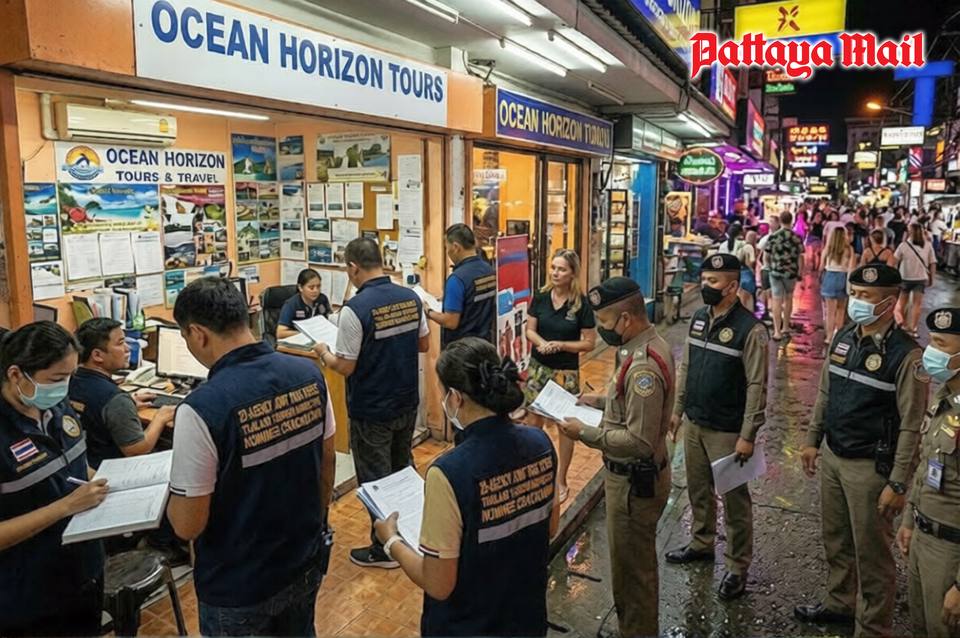
PATTAYA, Thailand – During May 2026 the real estate and business sectors in major tourist hubs like Pattaya Phuket and Chiang Mai experienced a major shift. This followed rigorous investigations by a joint task force of 23 government agencies targeting the use of proxy structures used by foreign nationals to hold property and operate hospitality businesses. This strict legal enforcement has raised an important question among operators and investors regarding how tightening these regulations has impacted foreign tourist arrivals to Thailand and what benefits the country stands to gain from this major economic restructuring.
Overview of statistics showing Asia and Russia maintained dominance
According to recent data from the Ministry of Tourism and Sports covering January 1 to May 24 2026 Thailand welcomed over 13.4 million foreign arrivals. The top five nationalities visiting the country are ranked below.
Rank 1 China with 2,237,215 arrivals
Rank 2 Malaysia with 1,552,217 arrivals
Rank 3 India with 1,003,993 arrivals
Rank 4 Russia with 928,774 arrivals
Rank 5 South Korea with 525,550 arrivals
The cumulative figures indicate that despite heavy scrutiny on hidden foreign capital travel demand for Thailand from its primary markets remained strong and did not experience a sharp decline as many had feared.
Insights into May 2026 as tourist hubs faced regulatory tightening
Looking specifically at the weekly statistics for May which marked the peak of corporate shareholding audits and financial trail investigations on suspected firms in tourist zones distinct behaviors and trends emerged across different traveler groups.
China
Chinese visitors remained the leading group with weekly arrivals averaging between 100,000 and 120,000. While zero dollar tour networks and grey capital operations relying on illicit proxy shops and restaurants slowed down due to anti nominee measures Free Independent Travelers or FITs as well as younger demographics with high purchasing power filled the gap. This influx kept total Chinese arrival numbers firmly at the top spot.
Malaysia and India
These two markets became major drivers for the tourism economy during this seasonal transition. Malaysian tourists primarily arrived via southern land checkpoints while Indian tourists grew steadily in Bangkok and Pattaya. Visitors from India generally utilized hotels and businesses that were legally registered.
Russia
Russian tourist numbers began to show signs of decline in May. This trend was partly due to seasonal factors as the country entered the green season or rainy season. Concurrently heightened awareness regarding investigations into property holdings and rental car or service businesses in Pattaya and Phuket caused some long stay visitors to become more cautious and pause transactions.
What Thailand gains from anti proxy enforcement measures
The restructuring of legal and economic frameworks provides Thailand with clear and sustainable benefits across multiple dimensions.
True distribution of wealth into local economies
In the past illicit proxy businesses operated in closed loops. All revenue from accommodation restaurants car rentals to souvenir shops was funneled back overseas through exclusive payment systems. Breaking these networks forces tourists to spend money directly with legitimate Thai businesses allowing revenue to circulate fully within the local economy.
More efficient government tax collection
The use of front companies often goes hand in hand with cooked books underreported income or failure to register for taxes. Stringent law enforcement and financial audits bring these underground businesses to light enabling the state to collect corporate income tax value added tax and signboard tax accurately and fairly.
Protection of Thai entrepreneurs from unfair competition
Foreign groups using illicit structures usually possess massive capital and deploy price cutting strategies that local small and medium enterprises cannot compete with. Clearing these operations returns business spaces to Thai citizens allowing local SMEs a fair opportunity to grow and develop.
Creating transparency in the real estate market
Controlling illegal ownership structures helps curb artificial property price inflation driven by illicit foreign capital in major cities. This regulation ensures land and housing prices in tourist areas reflect actual market mechanisms and reduces the risk of long term asset bubbles.
Conclusion on legal and tourism dimensions moving toward quality tourism
The developments in May 2026 indicate that tightening corporate oversight did not negatively affect overall tourist headcount. Instead the enforcement served as a filter to improve transparency within the tourism economy.
The slowdown of businesses operating under conflicting interests or below market costs was offset by the growth of quality tourists who spend directly with legitimate local businesses and are willing to extend their stays through proper channels. This process is shifting Thailand away from merely chasing high visitor numbers toward attracting high spending segments. This reduction in the strain on natural resources moves the country toward becoming a truly sustainable and transparent travel destination.