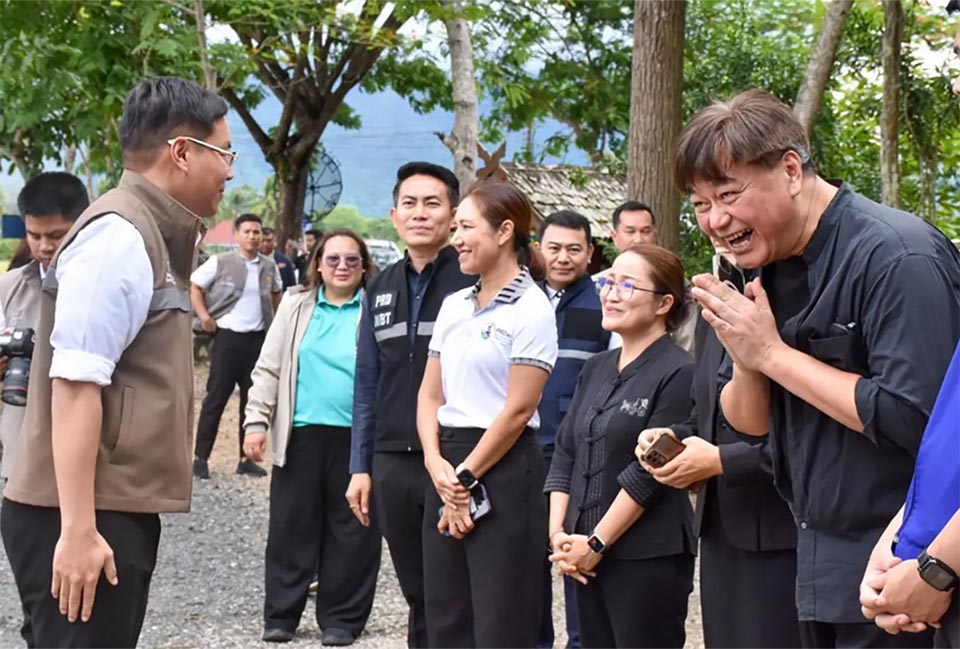
CHIANG MAI, Thailand – The Ministry of Education is promoting the “Borderless Classroom” initiative in Chiang Dao District in Chiang Mai Province as a model for future education that connects community-based learning with real-world classroom experiences.
Deputy Education Minister Akaranun Khankittinan visited the Chiang Dao district on May 15, 2026, to monitor progress on the Borderless Classroom project under the “Chiang Dao Learning City” model. The initiative aims to create a seamless learning system that allows children and youth to gain practical knowledge from local lifestyles, culture, and community experiences beyond traditional classrooms.
The project is a collaboration among Chiang Dao’s Office of Learning Promotion, the Makhampom Foundation, and local public and private partners. It focuses on three strategies: developing flexible educational innovations tailored to students’ lifestyles, creating local learning ecosystems in collaboration with local administrative organizations, and reducing educational inequality by integrating local wisdom and community participation.
As part of the initiative, seven learning stations have been established throughout the community, turning local spaces into “living classrooms.” These include Chiang Dao Blue Studio, where students learn natural indigo-dyeing techniques; an organic farming station that teaches organic agriculture and cocoa processing; and a cultural learning center in Ban Pha Lai village showcasing the traditions of local ethnic communities. Community forests also serve as natural classrooms for biodiversity and ecosystem studies.
Officials reported positive outcomes from the program, noting that participating students showed greater pride in local culture, improved communication skills, and better reading, writing, and digital literacy. Teachers noted reduced monitoring burdens for at-risk students, while communities gained greater awareness and appreciation of local identity.
The Deputy Minister described the Borderless Classroom initiative as an important model for future education, emphasizing that students should be able to earn academic credits through practical learning experiences outside conventional classrooms. He added that the project should be expanded to other parts of the country to improve educational opportunities for disadvantaged youth nationwide. (NNT)