In the chilly Northern lands where I spent my younger days, summer was the peak of the year. The earliest signs could be seen and felt in April, but May was special because it marked the beginning of this most joyful of seasons. A hundred years before Geoffrey Chaucer wrote The Canterbury Tales, a popular 13th-century English song titled Sumer is icumen in celebrated the arrival of summer. It’s one of the earliest known examples of a six-part musical round, and quite an intricate one at that, yet no one is certain who wrote it.
Even so, the lilting melody and the rustic words still resonate with us today. Shakespeare is full of allusions to summer, and I suppose almost everyone recognises his famous rhetorical question addressed to an anonymous youth, “Shall I compare thee to a summer’s day?” For those of us from temperate climates, the anticipation of summer seems etched into our DNA, and it has long been celebrated in music, poetry and painting.
“Then followed that beautiful season… Summer…. Filled was the air with a dreamy and magical light; and the landscape lay as if newly created in all the freshness of childhood”. Henry Wadsworth Longfellow
The other night, over a glass of cognac, I was recalling the summers of long ago. Back then, my employment and salary allowed me to hop over to Europe at every opportunity. Perhaps “hop” is not quite the right verb, because before the tunnel was built under the English Channel (or La Manche, as the French call it), you had to drive onto one of the car ferries that used to ply between France and England. It made for an exhilarating start to a journey, especially on an early-morning crossing. The ferries of the now-defunct P&O Line offered a sumptuous traditional English breakfast in the ship’s old-fashioned dining room, impeccably served by uniformed waiters. If the holidays were long enough, I would sometimes head for the South of France.
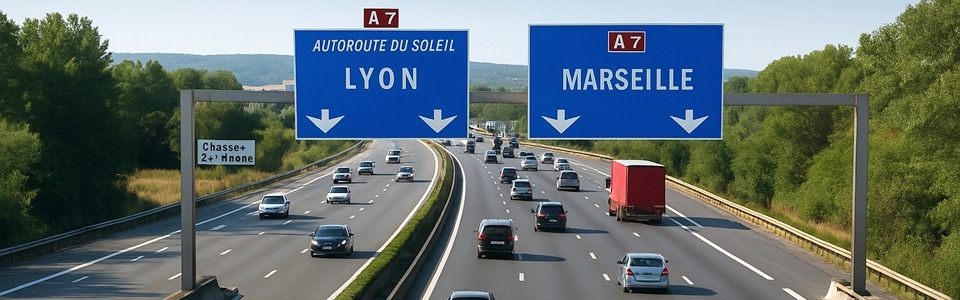
The South has always seemed a better place to me, perhaps because I was brought up in a damp, grey northern climate. Even the word “south” always struck me as magical and full of promise, although its French equivalent – sud – has rather less appeal. Arriving at the evocatively named Autoroute du Soleil (“Motorway to the sun”) in northern France was always a thrilling moment. Driving from London to the South of France is a long haul by European standards, but as you head further south, you notice subtle changes in the varieties of shrubs and the trees, and how the quality of the light begins to change.
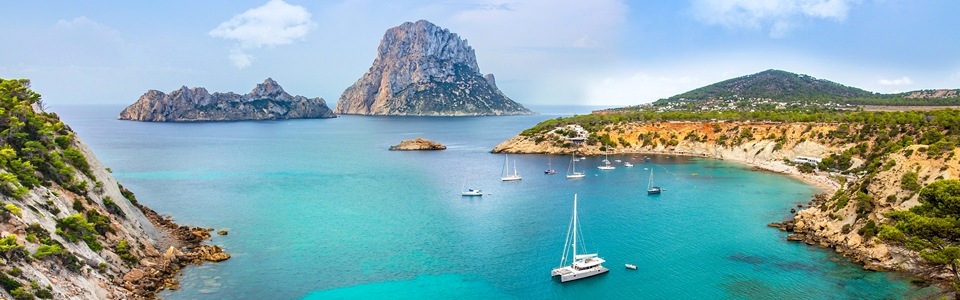
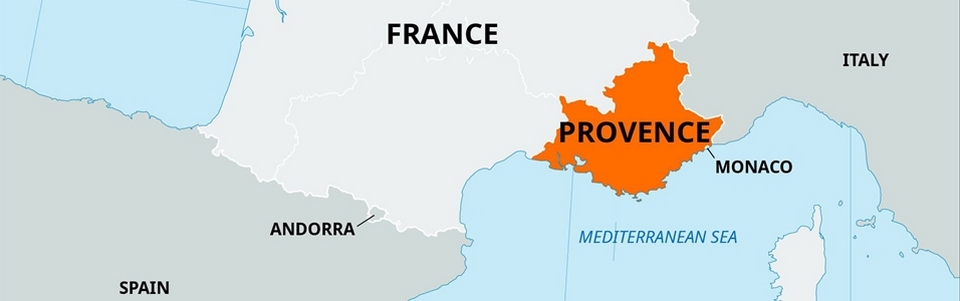
If your French geography is a bit hazy, I should remind you that Provence lies in the extreme south-east of France. It stretches from the mouth of the River Rhône to the Italian border and the Mediterranean Sea laps its southern coastline. The region includes the towns of Marseille, Aix-en-Provence, Avignon, Arles and Nîmes and it’s dotted with charming smaller communes and villages. Nearer to the Italian border lie the bustling cities of Nice and Cannes. It’s a region of rural tranquillity, historic landscapes and cultural wealth.
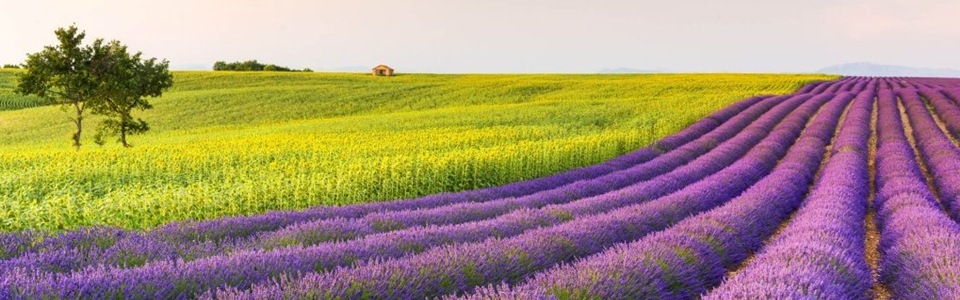
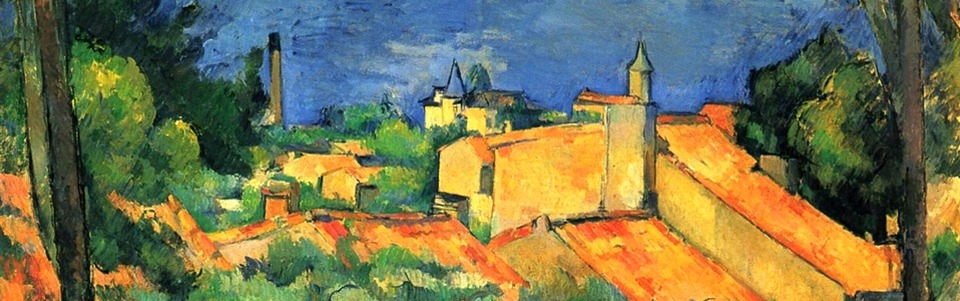
It’s easy to understand why the South of France attracted so many artists from the last quarter of the nineteenth century onwards. With an average of 3,000 hours of sunshine each year, the air is clear and the colours vibrant. Even the grey stone walls seem to take on richer tones than those of the north. In the wild countryside up and away from the busy coast, the faint scent of lavender lingers in the air. Describing Antibes, the painter Claude Monet wrote, “How beautiful it is here, so clear and pure in its pinks and blues.”
The evocative southern light seduced many other painters, and many celebrated artists arrived there, among them Vincent Van Gogh, Paul Gauguin, Pablo Picasso, Georges Braque, Henri Matisse, Raoul Dufy and Paul Signac. Matisse settled in Nice, and Picasso chose to live in Antibes and Juan-les-Pins. The Russian painter Marc Chagall moved to Saint-Jean-Cap-Ferrat, captivated by the blue light and the seascapes. The post-impressionist Paul Cézanne spent many years painting the landscapes around his home in Aix-en-Provence. He once wrote, “I’d like to combine melancholy and sunshine…there’s a sadness in Provence which no one has expressed…”
Provence is known for its wine. It always has been. Wine has been made there long before the Roman armies arrived in the 2nd Century B.C. Incidentally, that’s when this corner of France got its name: Provincia Romana, or “the Roman Province”. The region is especially well known for its rosé wines, which account for 90% of the production. Almost everyone drinks rosé with the local cuisine. At one time, rosé wines were dismissed as simple gluggers, but many of them have become much more sophisticated. It is no longer chic to be sniffy about rosé. With its delicate hue and refreshing qualities, rosé is the perfect choice to quench your thirst and enhance your summer experience.
By definition, rosé incorporates some of the colour from red grape skins. Almost any variety of red grapes will do, though Shiraz and Grenache are popular among winemakers. Rosé is aromatic, dry, light, and fragrant (or should be), with notes of fresh flowers and ripe fruits such as apricot, lychee or pear. Rosé pairs well with most foods, and as an accompaniment to a light snack, it’s perfect, especially when served ice-cold. Light and delicate rosé wines make a splendid apéritif.
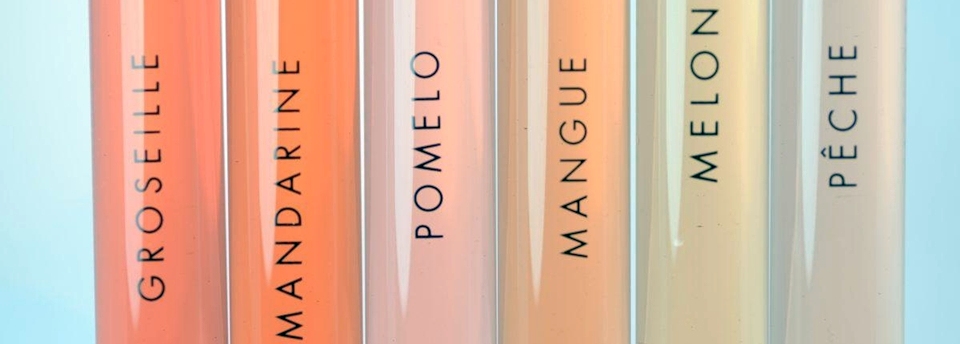
There are several ways to make rosé, but the most common is maceration (meaning “soaking”), which involves leaving the skins in contact with the newly-crushed grape juice for a limited time. Maceration can last between six and forty-eight hours, depending on the desired wine style. And incidentally, rosé is rarely a simple pink. The colour can range from a pale “onion-skin” to a vivid near-purple, depending on the grapes used and the duration of the maceration. Rosé should always be enjoyed when it’s young and fresh, so it’s generally safer to buy it where you can be reasonably sure of a rapid turnover.
Rosé is also the classic summer wine. Nothing enhances a summer evening meal more than a bottle of cold rosé. Summer is the time for light wines. Heavy, high alcohol wines always seem too overbearing in high temperatures. Many people prefer lighter food in hot weather, and lighter wines seem much more appropriate.
Estandon Héritage Côtes de Provence, 2023 Rosé. France. Bt. 790 @ Wine Connection.
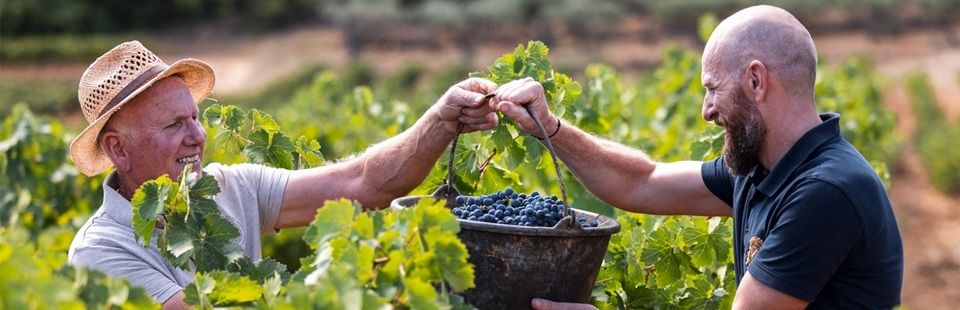
Estandon was established in 1947 by Jean Bagnis in the heart of the Var region of Provence. He was among the first winemakers to recognise the potential of Provençal rosé wines. In 1973, the winery joined forces with several local cooperatives, and today Estandon is the leading producer of Provençal wines, sourcing grapes from more than 2,000 hectares of vineyards. The Héritage Côtes de Provence rosé is made from the classic trio of Cinsault, Grenache and Syrah. They grow alongside gnarled olive trees on the sheltered foothills of the Massif des Maures. The grapes are harvested early at night and undergo a short, cool maceration to extract the delicate colour from the skins, followed by cool fermentation in temperature-controlled stainless-steel vats. This helps preserve the wine’s freshness, delicate colour and aroma.
The wine is a honey-coloured light orange, with only the faintest suggestion of salmon pink. It looks rather classy, and it has a light, fruity apricot aroma with dusty herbs in the background. It’s incredibly smooth on the palate, yet delivers an assertive flavour of light fruit with a gentle tingle of acidity, with an exceptionally long, dry finish, which is usually the sign of a well-crafted wine.
This is a light, dry and friendly wine for sophisticated glugging. It comes in at a pleasingly low 12.5% ABW and would make a charming and interesting apéritif. One of the distributors suggests it would pair well with sea bass and fennel. To me, this is a classic wine for a summer’s evening, to be enjoyed on a quiet, secluded balcony in Provence, overlooking a garden of shrubs and cypress trees, a view of the Mediterranean and ideally in the company of a large Provençal sheepdog.