The Night That Never Ended
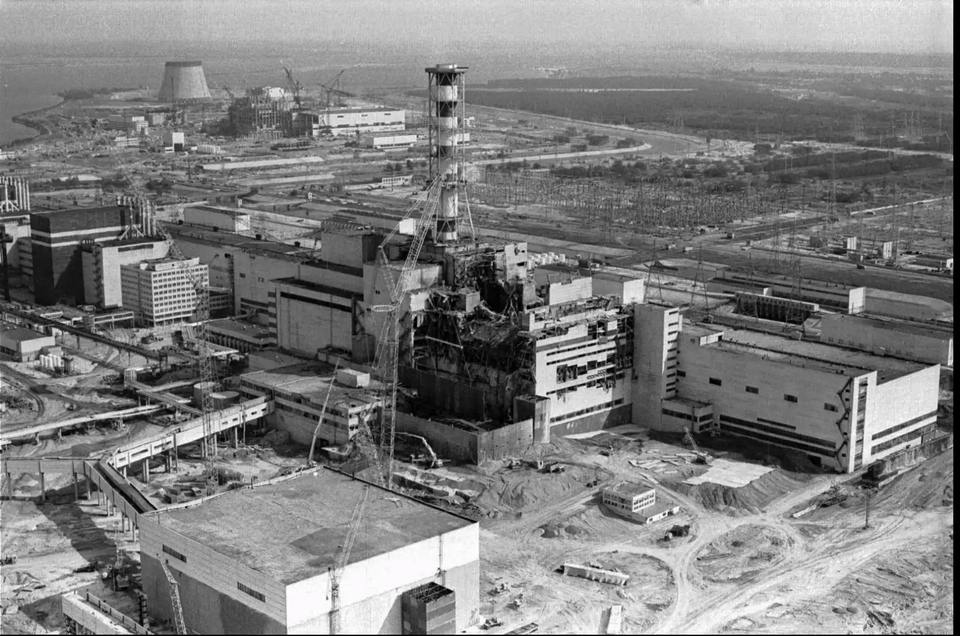
Forty years have passed – but for many, the night of April 26, 1986, never truly ended. It began quietly. A test. A routine procedure inside a nuclear reactor at Chernobyl Nuclear Power Plant. Then, in a moment, control was lost. A surge. An explosion. The core tore open – and the sky above Ukraine began to burn with something far more deadly than fire. Radiation has no colour. No smell. No mercy.
Invisible Poison
It drifted into the air, settled onto the earth, seeped into rivers, clung to trees, rooftops, and skin. It fell like invisible ash – on playgrounds, on crops, on the shoulders of people who had no idea what was happening.
Children woke the next morning and went outside to play. They drank water from the river. They ran barefoot through fields dusted with poison. They laughed under a strange metallic rain – radioactive particles falling from the sky. No one told them to stop.
A City That Didn’t Know
In the nearby city of Pripyat, life continued as if nothing had happened. Weddings were planned. Bread was baked. Schoolbags were packed. And all the while, the air itself was turning against them.
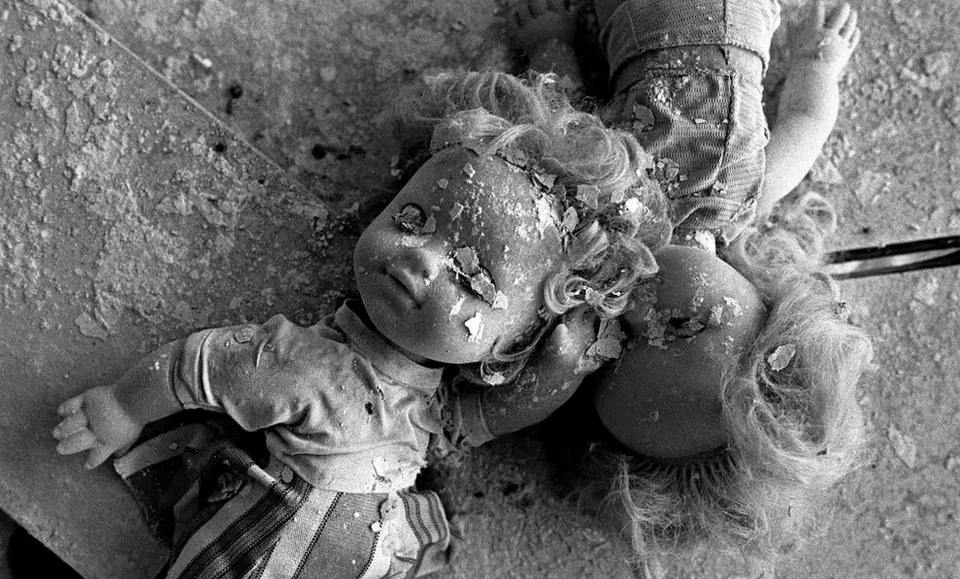
Hours passed. Then days. By the time evacuation orders came, it was already too late for many. Families were told to leave everything behind. “Just for a few days,” they were promised. Doors were left unlocked. Toys remained on beds. Pots still sat on stoves. Lives interrupted mid – sentence. They would never return.
A Nation Marked by Fallout
Ukraine bore the heaviest weight of this catastrophe. Entire regions were poisoned. Villages were erased. Generations were marked by illness, uncertainty, and loss. Farmers watched their land – once rich and life – giving – become untouchable. Mothers feared what they could not see, what they could not protect their children from. And still, the suffering spread beyond borders, carried by the wind across Europe.
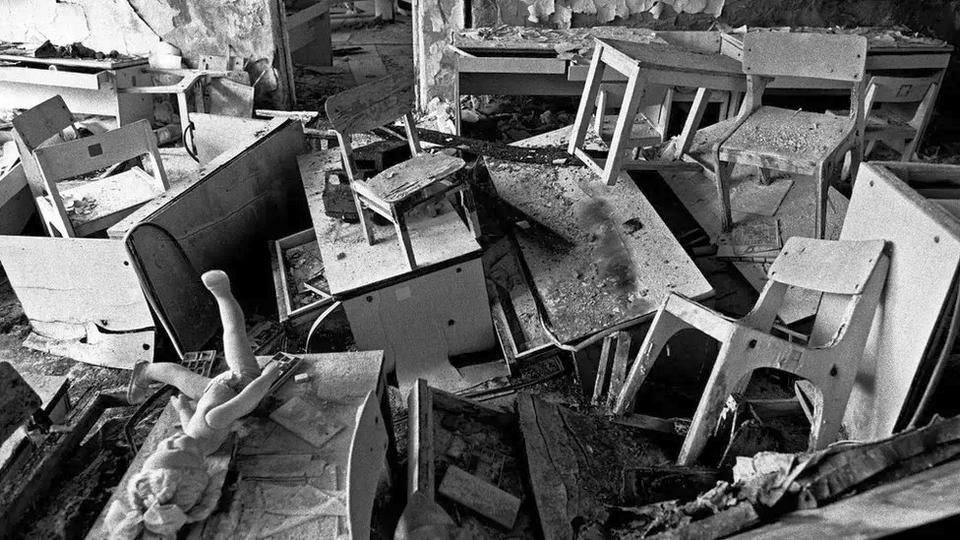
Those Who Walked Toward Death
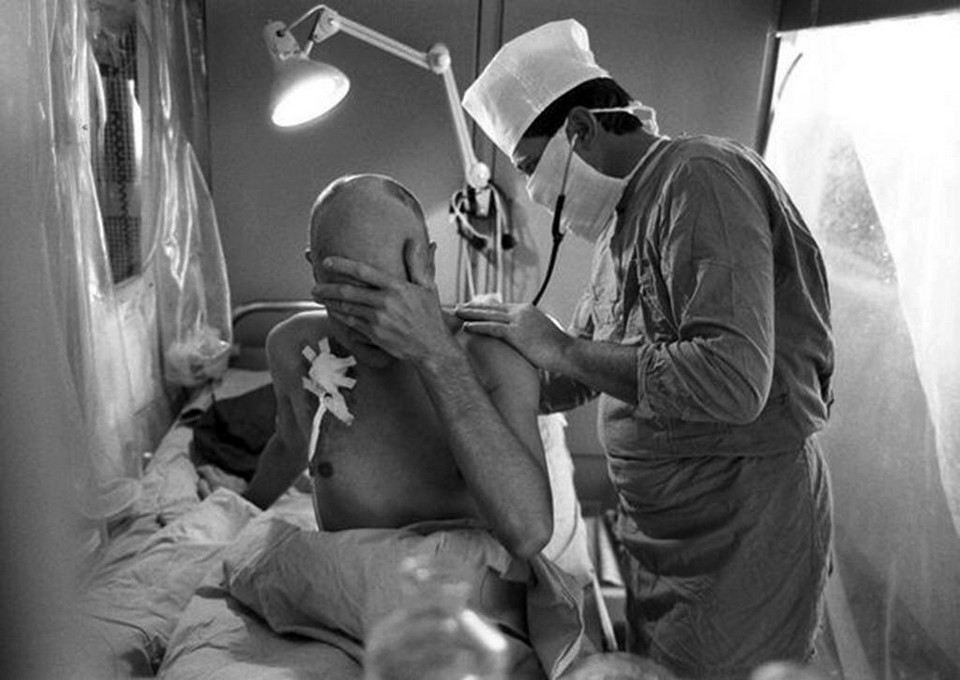
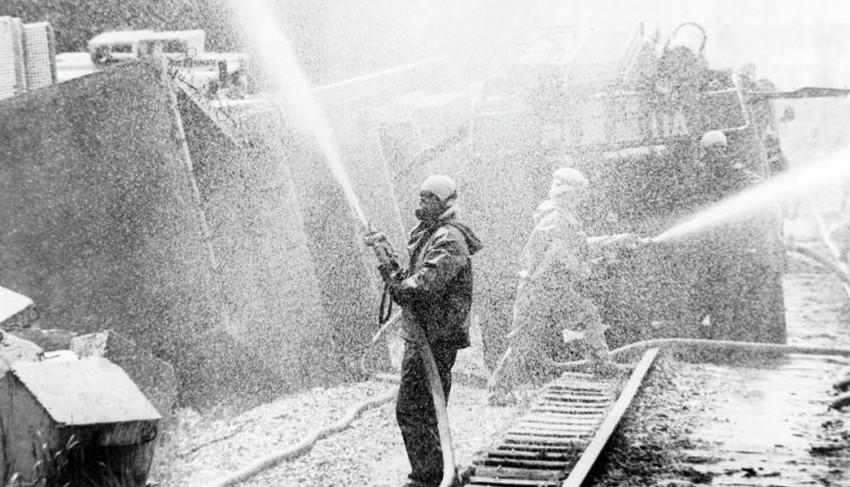
But in the heart of the disaster, there were those who walked toward it. Firefighters arrived first – unaware they were stepping into a death sentence. They fought flames that were not just flames, but radiation itself. Many would fall sick within days, their bodies overwhelmed by exposure they could neither see nor comprehend.
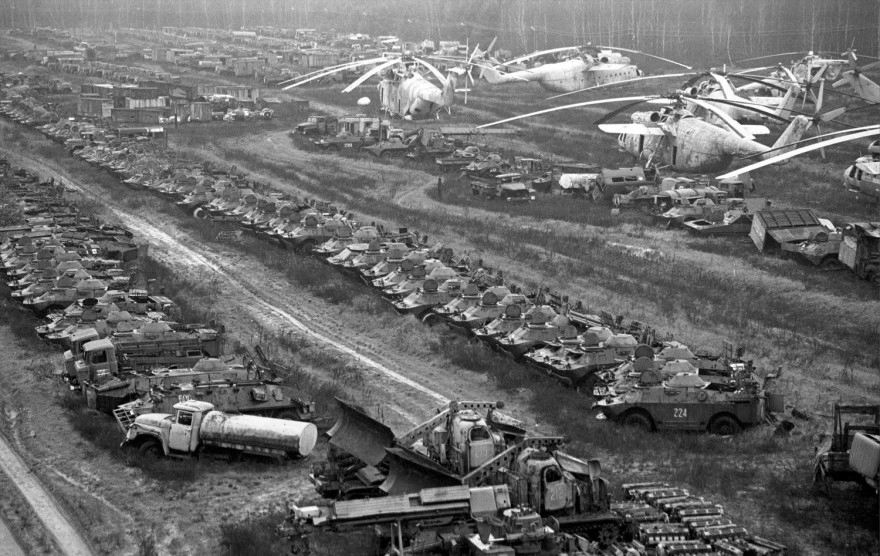
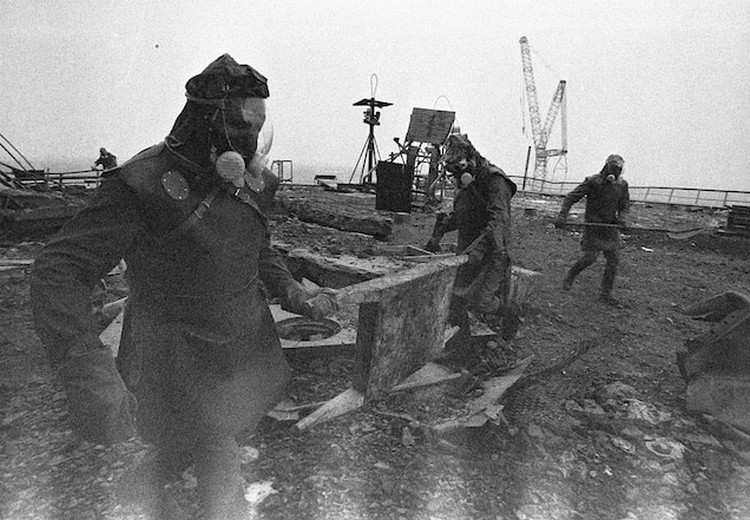
Then came the liquidators. Hundreds of thousands of men – workers, soldiers, engineers – sent to contain the uncontainable. They shovelled radioactive debris from rooftops with bare hands. They buried contaminated earth. They built a sarcophagus over the broken reactor, knowing time was against them – and so was death. Some were given minutes to work before being replaced. Minutes that would cost them years of life. These were not heroes who sought glory. They were men sent because someone had to go. Many paid with their health. Many with their lives.
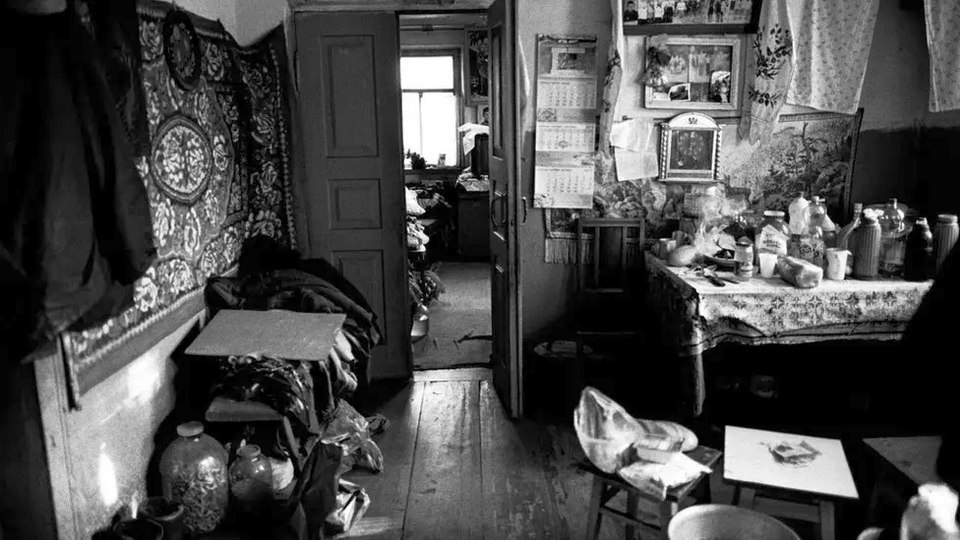
Living With the Unknown
And the victims – so many victims – are not only those who died in the days and months after. They are the ones who lived on. For those who survived, the fear did not end with evacuation. It began there. There were no answers – only waiting. Waiting for test results that never felt final. Waiting for symptoms that might appear years later. Waiting for a future that had suddenly become uncertain, fragile, and shortened in ways no one could measure.
People learned to fear their own bodies. A headache was no longer just a headache. A fever was no longer just a fever. Every illness carried a question no doctor could fully answer: Is this the beginning? Parents watched their children grow – but with a quiet terror beneath every milestone. Would they live long lives? Would they have families of their own? Or had something invisible already rewritten their future?
This was the true cruelty of radiation – not only what it did, but what it left behind: doubt, fear, and a lifetime of not knowing. Children grew up sick. Families buried loved ones too soon. Survivors carried a question that never truly left them: How long do we have?
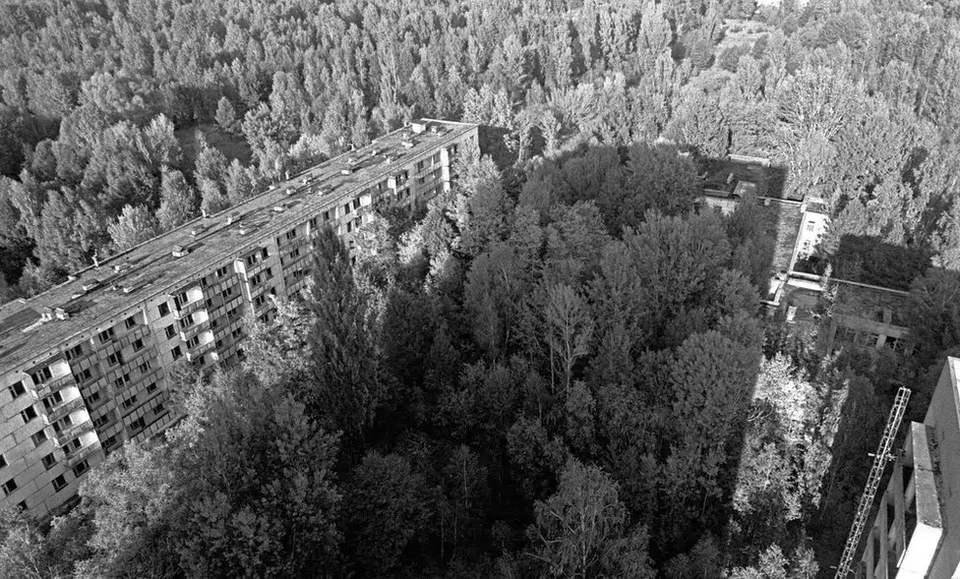
The Cost of Silence
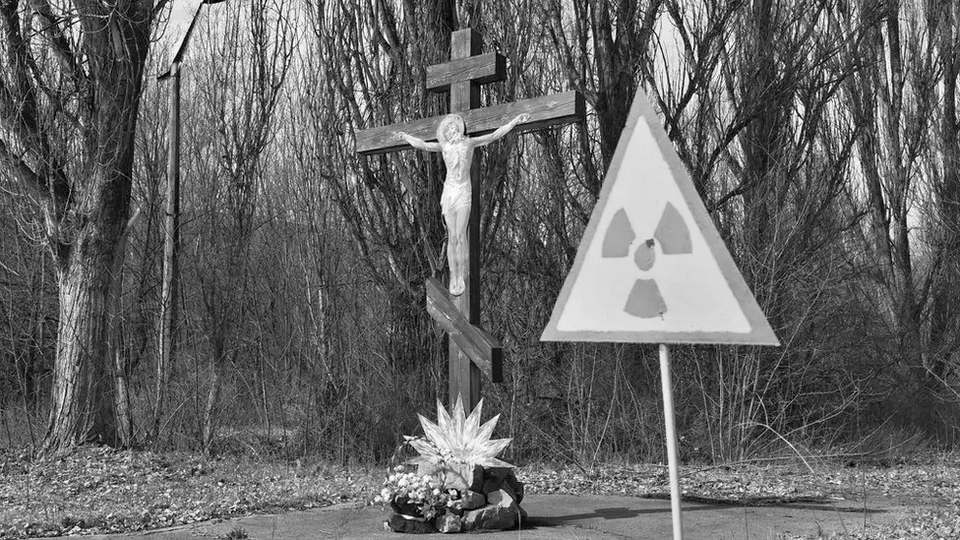
In the silence that followed the disaster, truth came too late – or not at all. And that silence cost lives. Chernobyl is not just history. It is a wound that never fully healed. Forests now grow where cities once stood. Nature has reclaimed the silence – but beneath it lies contamination that will outlive generations. Time moves forward, but the consequences remain.
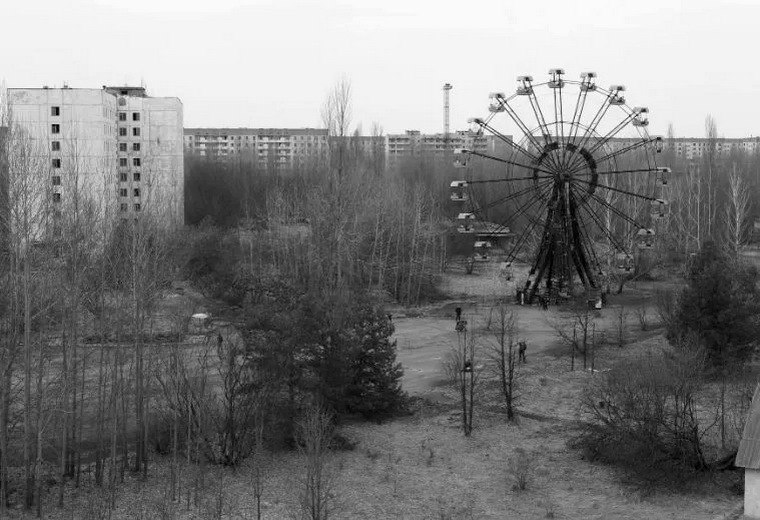
A Warning to the World
Chernobyl stands as a warning written not only in history books, but in human suffering. Because the danger was not just the reactor. It was secrecy. It was delay. It was the belief that consequences could be managed after the fact. They cannot. When dealing with forces that can poison air, land, and generations, there is no margin for arrogance. No room for silence. No second chance.
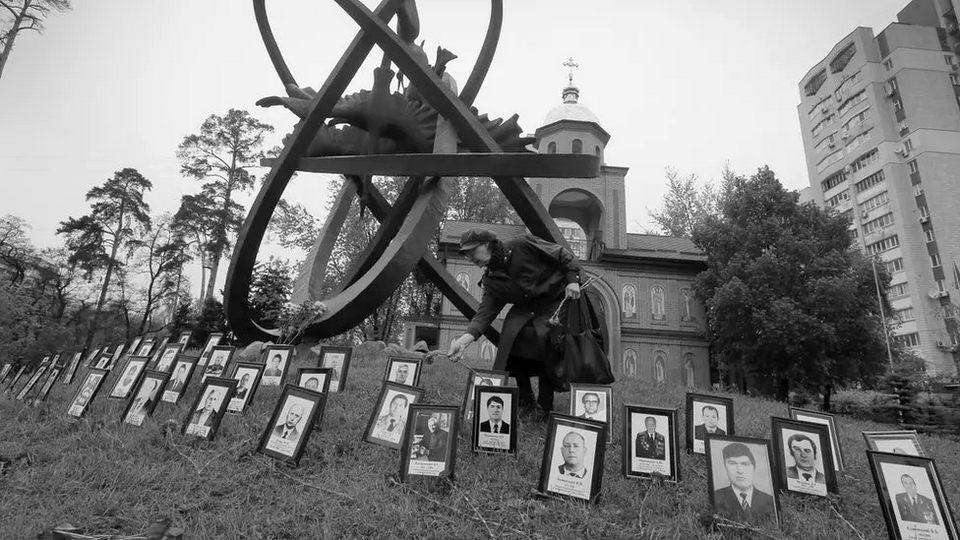
Forty years later, we remember not just the explosion – but the human cost: The children who never knew they were in danger. The Ukrainians who carried the heaviest burden. The men who walked into death so others might live. And we remember the lesson written in invisible fire: What we fail to respect, we risk unleashing. What we fail to disclose, we condemn others to endure. And what we ignore today may not destroy us immediately – but it may shorten the lives of those who come after us. This must never happen again. Because Chernobyl was not just an accident. It was a failure of responsibility, of truth, of humanity itself. And its shadow still stretches across time.
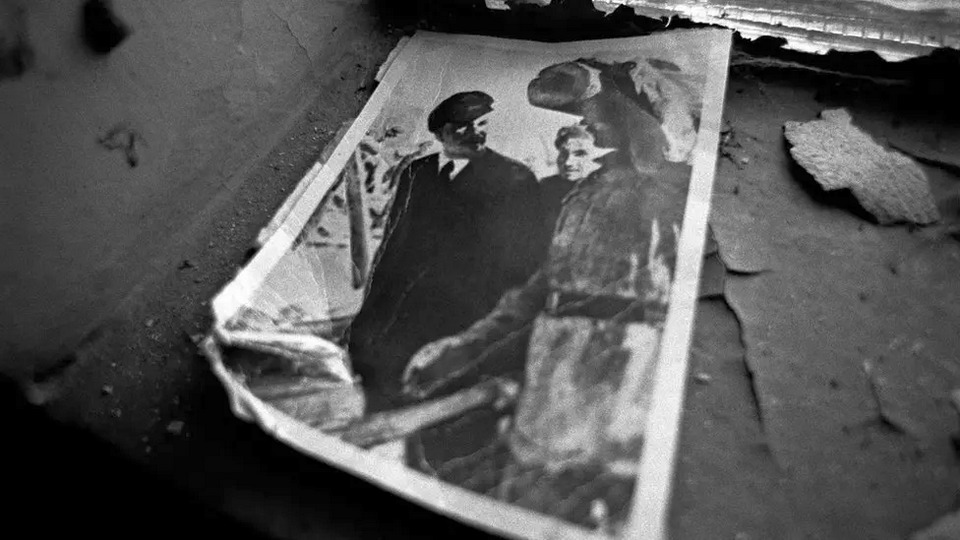
Editor’s Note
This article was written for my friends, their families, and the survivors who have trusted me with their memories – their experiences, their fears, and the quiet pain they continue to carry. Over time, I have listened to stories that are not always spoken aloud. Stories of uncertainty, of lives interrupted, of questions that were never fully answered. What struck me most was not only what happened in 1986, but what never truly ended for those who lived through it. The fear did not remain in the past – it followed them, settled into their daily lives, and, in many cases, still lingers today.
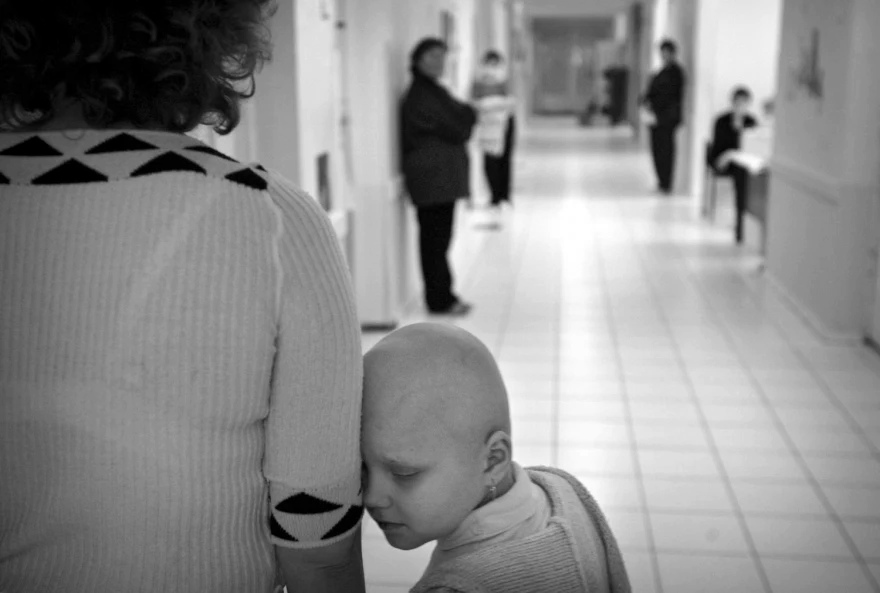
It is impossible to hear these accounts and remain untouched. There is a weight to them – a human weight – that goes beyond history or statistics. It is felt in the hesitation in a voice, in the pauses between words, in the quiet acknowledgment that some wounds do not fully heal. This piece was written with deep respect for those voices. It is also written with a sense of responsibility. Because what happened at Chernobyl Nuclear Power Plant is not only a chapter in history – it is a reminder of what can happen when truth is delayed, when risks are underestimated, and when human lives are left unprotected in the face of invisible danger.
If there is any purpose beyond remembrance, it is this: that their experiences are not forgotten, and that the lessons drawn from their suffering are taken seriously. We owe them that much. And perhaps more than anything, we owe them a world that listens – carefully, honestly, and in time.