
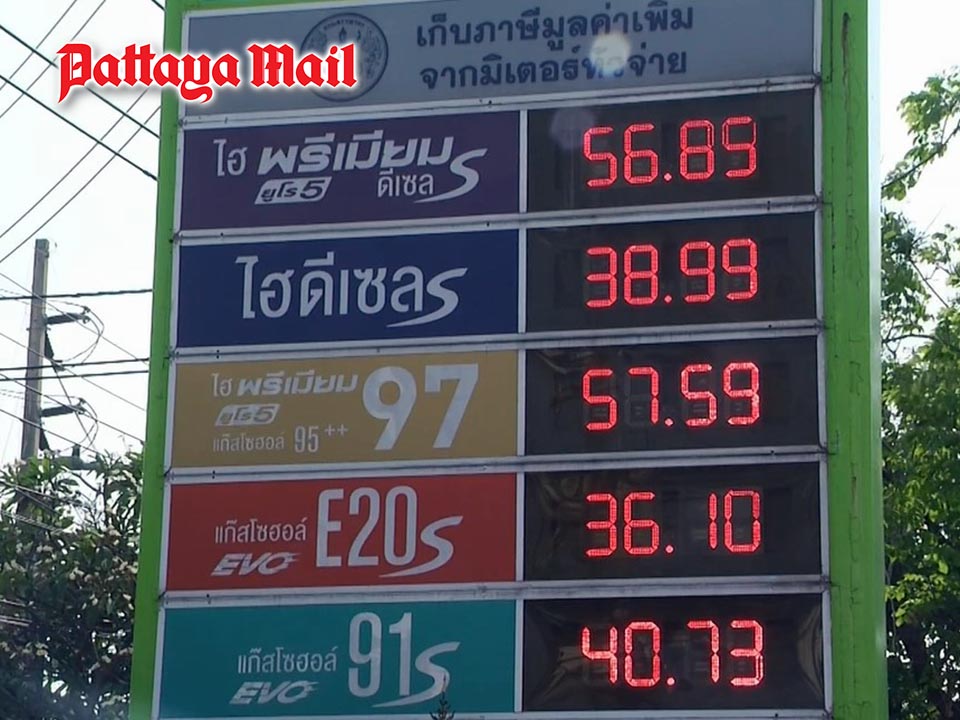
PATTAYA, Thailand – The morning after a steep 6-baht fuel price hike, scenes across Thailand revealed a country reacting in very different ways—quiet pumps in the capital, but long, anxious queues stretching across provincial towns, as motorists scrambled to cope with the sudden surge.
In Bangkok’s Huai Khwang district, fuel stations appeared unusually calm, with drivers able to refuel without delay. But the mood was far from relaxed. Many motorists expressed shock at the overnight jump, questioning why prices were raised so sharply in a single move rather than gradually.

Outside the capital, the picture was more tense. In provinces such as Chiang Mai and Khon Kaen, long lines of cars and motorcycles formed at petrol stations, with some drivers waiting for hours. In certain areas, diesel supplies temporarily ran out, leaving pickup trucks and transport vehicles stranded as they waited for deliveries later in the day.
For many, the reaction was simple: expensive or not, fuel remains essential. One elderly driver in Chiang Mai said the sudden increase felt unavoidable. “Cheap or expensive, we still need to drive to earn a living,” she said after queuing since early morning.
The impact is being felt sharply among delivery riders—an essential part of daily life not only in Bangkok but also in cities like Pattaya. Food app riders say the rising fuel costs are directly cutting into their already tight margins, with earnings unchanged despite higher expenses.
“Today, there will definitely be less money to take home,” one rider said, echoing concerns heard widely across the sector. Many are now calling on delivery platforms to adjust payment structures or introduce temporary support measures to help offset the increased costs.
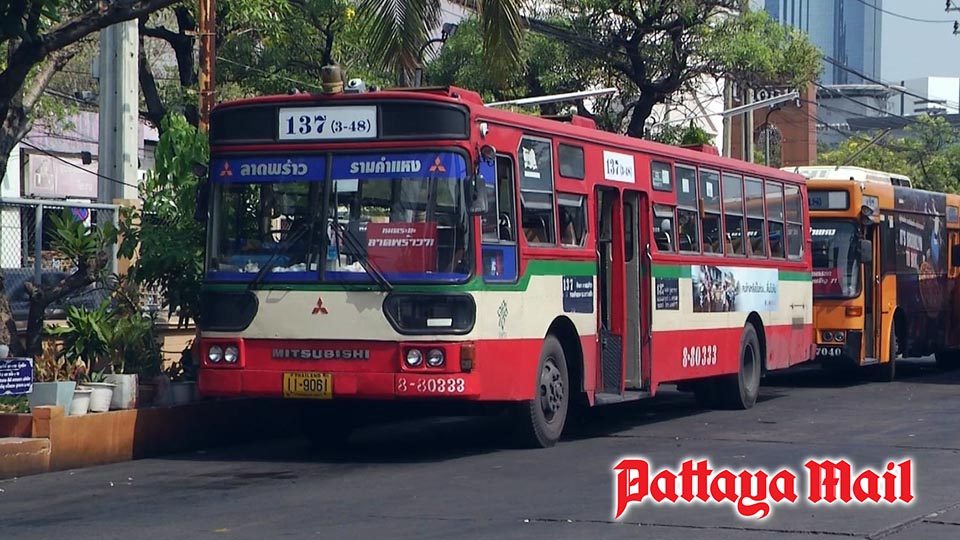
Public transport operators are also feeling the strain. The Bangkok Mass Transit Authority (BMTA) uses around 128,000 liters of fuel per day and is now preparing to review operations. A meeting scheduled for March 30 will consider reducing service frequency and increasing the use of natural gas (NGV) buses to cut diesel consumption.
In agricultural areas, the situation is becoming more urgent. Farmers across multiple provinces reported difficulties accessing fuel during a critical harvesting period. Some have begun stockpiling supplies, fearing further price increases, while others warned that delays in harvesting could lead to crop damage.
The shock has extended to small businesses as well. Transport operators are adjusting schedules to reduce fuel use, while food vendors and suppliers anticipate rising costs in the coming days. In Ayutthaya, a popular 10-baht curry rice shop continues to draw crowds, offering a rare sense of relief for residents trying to stretch their budgets.
Authorities have acknowledged the strain but maintain that the price adjustment was necessary to stabilize the Oil Fuel Fund and prevent longer-term supply risks. Relief measures are being prepared for vulnerable groups, including transport operators and farmers.
For now, the message from the ground is clear: the cost of fuel may have jumped overnight, but for millions of Thais—from farmers to riders to everyday drivers—stopping is not an option.