PATTAYA, Thailand – As global competition in the tourism industry intensifies, the Hong Kong Tourism Board (HKTB) is moving aggressively to reshape the city’s tourism image by promoting outdoor experiences and sports tourism as part of a long-term sustainable strategy.
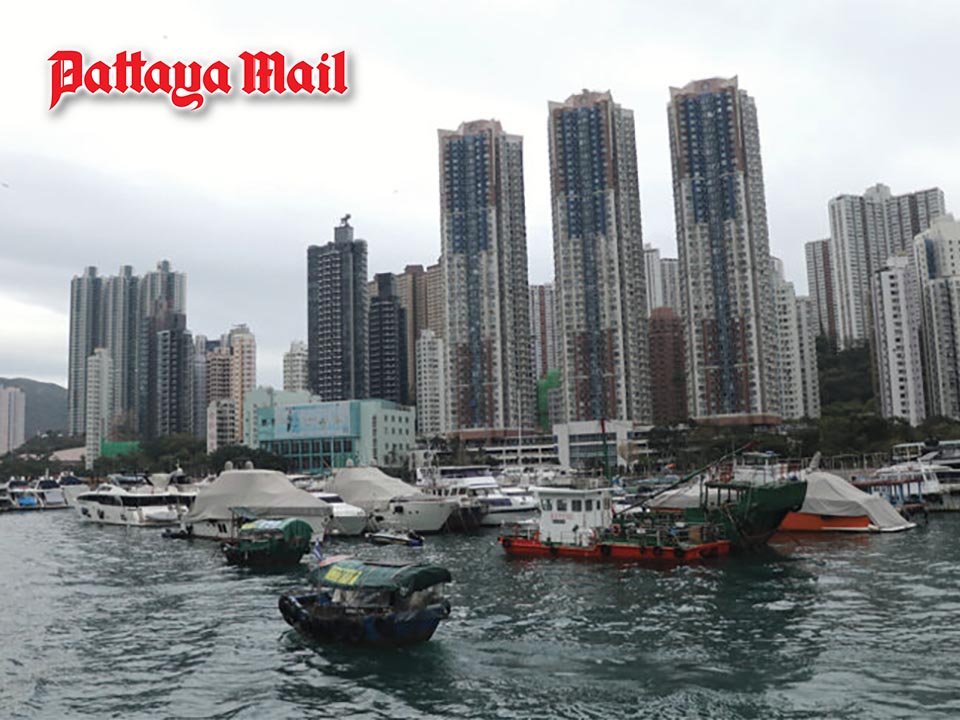
Earlier this year, HKTB organized a media and industry exploration of Hong Kong’s lesser-known natural trails and landscapes. The initiative highlighted a different side of Hong Kong — one that moves beyond its famous skyscrapers and bustling financial districts to showcase scenic coastlines, hiking routes, and remote islands with significant tourism potential.
The strategy reflects the city’s effort to balance its role as a global economic hub while preserving and promoting natural resources. Officials say the shift is not only intended to help restore tourism revenues after the pandemic but also to lay the foundation for a greener and more sustainable tourism model.

Promoting Diverse Destinations
According to HKTB, the new approach is being driven under the campaign “Great Outdoors Hong Kong” (GOHK). The campaign aims to present Hong Kong as a diverse travel destination, highlighting natural landscapes that many international visitors may not realize exist within the territory.
Under the strategy, HKTB is promoting world-class hiking trails, pristine beaches, water activities, and excursions to outlying islands across the region.
“The campaign plays a crucial role in reinforcing Hong Kong’s image as a city with diverse travel experiences,” a source from the tourism board said, adding that it has become a key mechanism for stimulating tourism recovery.
Meeting the Demand for Wellness Travel
The GOHK campaign also reflects changing global travel trends since the COVID-19 pandemic. Travelers are increasingly seeking destinations that offer nature, open spaces, and wellness-focused experiences.
Hong Kong sees this shift as an opportunity. By combining outdoor activities with its established urban attractions, the city aims to encourage visitors to return more frequently and stay longer.
A More Stable Tourism Economy
From an economic perspective, tourism authorities note that different visitor segments contribute to the economy in distinct ways.
Urban tourists remain the backbone of Hong Kong’s shopping, dining, and entertainment sectors in central business districts. Meanwhile, nature-based tourists often spend more on experiences such as eco-tours, adventure activities, and local dining outside the main urban areas.
Having both groups circulating through the destination helps strengthen the tourism sector by diversifying revenue streams rather than relying on a single market segment.
Spreading Tourism Beyond the City Center
Another key goal of the GOHK campaign is to distribute tourism benefits beyond Hong Kong’s traditional hotspots such as Central or Tsim Sha Tsui.
By encouraging visitors to explore national parks, marine parks, and outlying islands, tourism spending can reach smaller businesses and communities located outside the main commercial districts.
Officials say this helps reduce the concentration of tourism revenue in a few areas while stimulating local employment and grassroots economic growth.
Balancing Tourism and Conservation
Environmental sustainability also plays a major role in the strategy. Hong Kong promotes high-quality green tourism products such as the Hong Kong UNESCO Global Geopark and carefully managed hiking trails.
Authorities encourage guided tours in sensitive natural areas to ensure visitors can enjoy the scenery while minimizing environmental impact and raising awareness about conservation.
Local Communities Benefit
The outdoor tourism push has also created opportunities for local communities.
Residents on islands such as Cheung Chau and Lamma Island have become actively involved in tourism through cultural tours, local activities, and small businesses.
Events like the Sai Kung Hoi Arts Festival demonstrate how eco-tourism can generate income while strengthening cultural identity within communities.
From Spiritual Trips to Sports Tourism
Thai travelers have emerged as a particularly promising market for Hong Kong. According to HKTB, Thai tourists are increasingly shifting away from traditional shopping or temple visits toward outdoor activities and sports tourism.
Participation by Thai visitors in events such as the Hong Kong Marathon and Hong Kong Cyclothon, along with growing interest in trail running and other outdoor sports, reflects this changing travel behavior.
Tourism officials believe this trend will continue, positioning Thai visitors as a high-value market for Hong Kong’s nature-based tourism in the years ahead.
Lessons for Pattaya
The shift toward outdoor and sports tourism in Hong Kong offers an interesting lesson for destinations such as Pattaya. While Pattaya has long been known for its beaches and nightlife, the city has recently begun exploring ways to expand its appeal through international sporting events, wellness activities, and outdoor experiences.
By developing more sports tourism infrastructure, nature-based attractions, and community-driven tourism initiatives, Pattaya could diversify its tourism economy in a similar way—encouraging visitors to stay longer while spreading economic benefits beyond the traditional beachfront areas.