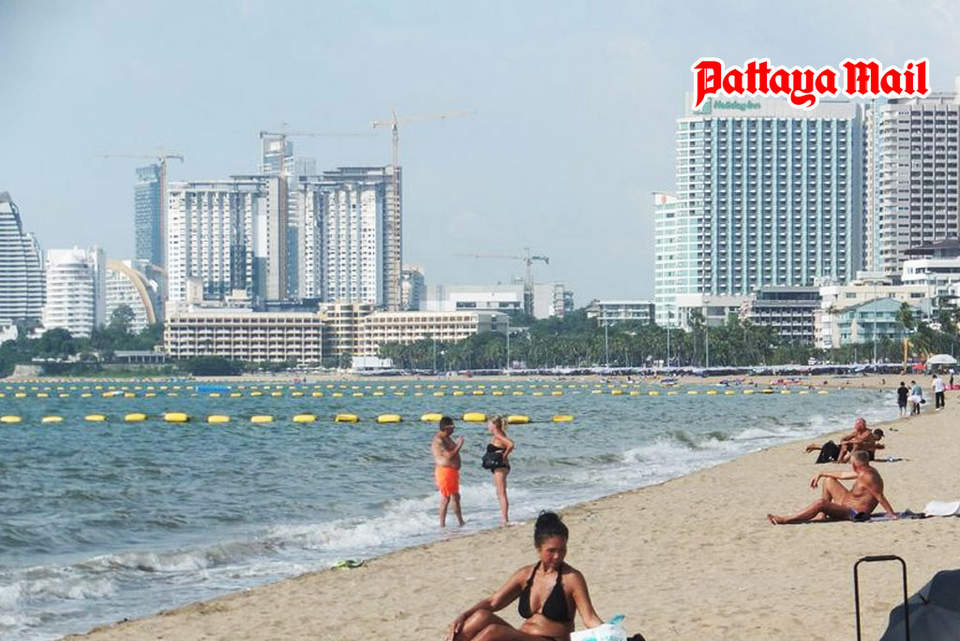
PATTAYA, Thailand – In 2026, the real estate market in Pattaya has reached a critical inflection point. What is unfolding is not a market collapse, but a clear condition of oversupply built up over several years now being tested by currency dynamics, financial confidence, and a structural shift in demand.
Over the preceding years, Pattaya’s condominium market experienced development activity well beyond the market’s annual absorption capacity. The result is a substantial accumulation of unsold inventory, particularly in Jomtien and the southern beachfront zones. Absorption rates have remained below equilibrium for an extended period, leaving 2026 with a large volume of completed, ready-to-transfer units still awaiting buyers.
Reports from the Agency for Real Estate Affairs (AREA) have also highlighted elevated inventory levels along the Bangkok Chonburi corridor. When oversupply exists across the wider region, demand is fragmented and price competition intensifies. Developers increasingly rely on discounts, incentives, and flexible payment terms, while the resale market is pressured by competition from new projects.
Additional headwinds have emerged in 2026. A weaker U.S. dollar relative to the baht has directly reduced purchasing power for foreign buyers holding dollar-linked currencies, instantly making Thai property more expensive in their terms and delaying investment decisions. At the same time, concerns surrounding enhanced scrutiny or closures of certain foreign bank accounts have undermined confidence in cross-border financial transactions particularly for buyers who must remit funds internationally.
In effect, Pattaya’s condo market this year is characterized by ample supply but subdued speculative demand. Yet within this pressure, a distinct and increasingly important source of demand has emerged buyers from Myanmar whose motivations differ markedly from traditional investors. Data from the Real Estate Information Center (REIC) and reports by Cushman & Wakefield indicate that in 2026, Myanmar nationals are purchasing property primarily as part of relocation and long-term settlement, rather than short-term speculation. This trend is driven by prolonged political and economic instability in Myanmar.
Bangkok remains the primary destination, with high-net-worth individuals and business owners favoring luxury condominiums in Sukhumvit and Asok for business connectivity and lifestyle convenience. Chiang Mai has grown rapidly due to cultural affinity and relatively moderate living costs. Pattaya, meanwhile, has emerged as an alternative choice for second homes or long-term residence in a calmer environment than the capital. The purchasing behavior of Myanmar buyers from 2024 to 2026 shows a consistent long-term orientation. Properties are acquired to support children’s education in international schools, access Thailand’s healthcare system, and preserve wealth amid severe kyat volatility. Legal structures commonly used include condominium purchases within the 49% foreign quota or long-term lease arrangements of 30+30+30 years.
This form of demand is fundamentally different from speculative investment. It represents relocation and wealth preservation, not expectations of rapid capital gains. Nevertheless, while Myanmar buyers provide a meaningful stabilizing force, the scale of this demand is still insufficient to absorb Pattaya’s accumulated inventory in the short term. As such, 2026 is a year of market adjustment rather than acceleration. In summary, Pattaya’s real estate market in 2026 remains in a state of structural oversupply resulting from past overdevelopment, compounded by currency effects and financial-confidence issues. At the same time, it is partially supported by genuine end-user demand particularly from Myanmar buyers seeking safety, stability, and quality of life.
The path forward will depend on the market’s ability to restrain new supply and the durability of relocation-driven demand. If both align, Pattaya may gradually return to balance. If new supply continues to flow unchecked, the correction phase is likely to persist longer than many anticipate.