PATTAYA, Thailand – Pattaya City authorities have taken swift legal and corrective action following a public outcry over the discharge of wastewater into the sea at Jomtien Beach, confirming that seawater quality has now returned to normal and tourists have resumed swimming, while legal proceedings against the contractor are underway.
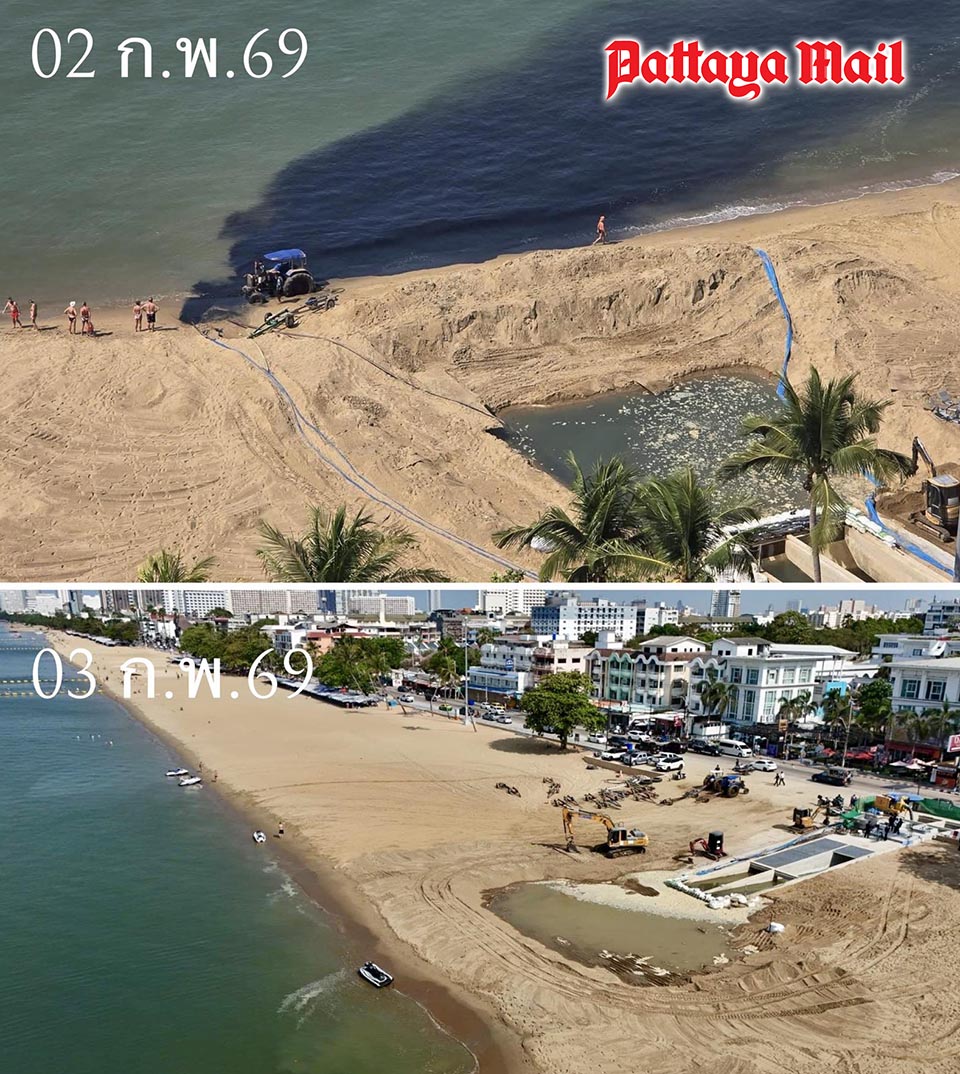
The incident came to light after images circulated widely on social media showing dark, polluted water being released into the sea near Jomtien Beach Soi 14, severely damaging Pattaya’s image as a world-class tourist destination. Initial inspections on February 2 found water quality at a “poor” level, prompting immediate intervention.
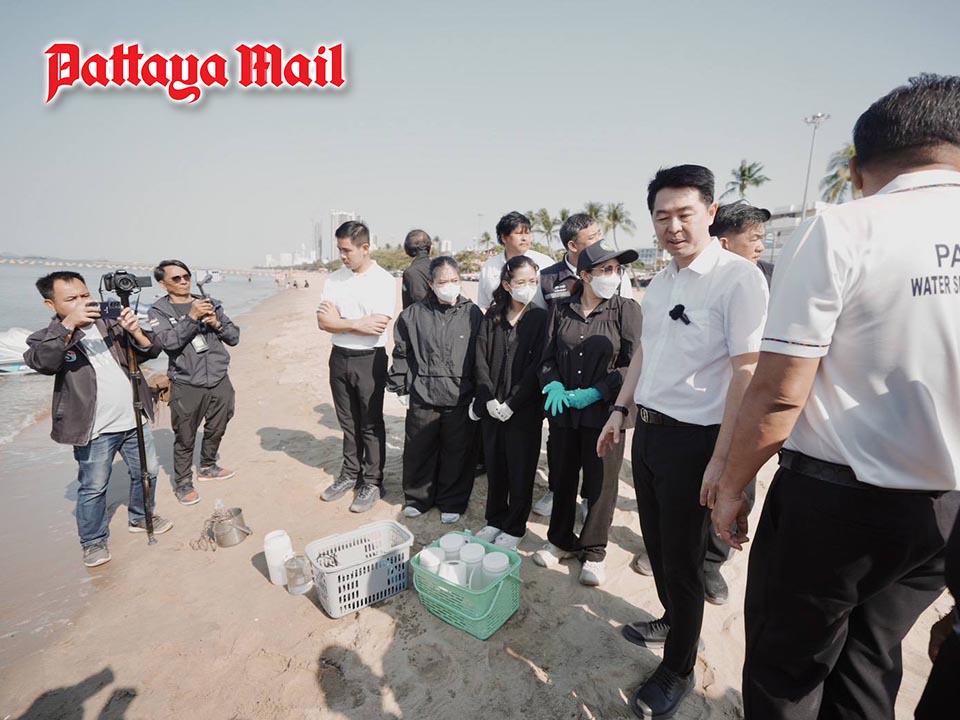
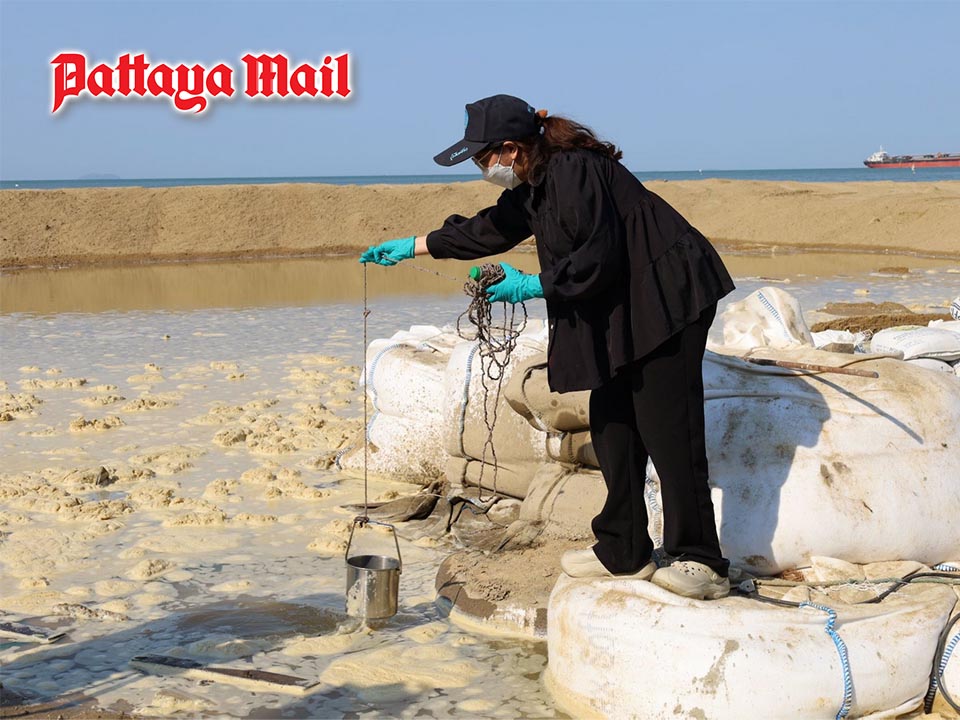
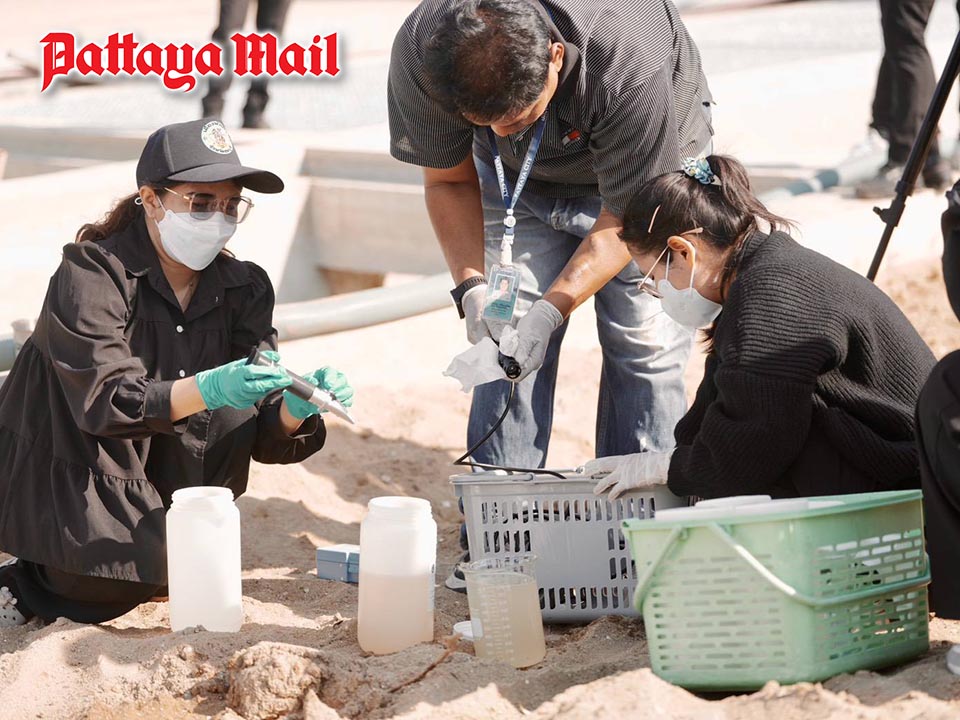
Mayor Poramet Ngampichet responded without delay, ordering city officials to file a formal complaint with Pattaya City Police and directing the city’s environmental science team to collect water samples for laboratory analysis. The contractor involved was instructed to immediately shut down the holding pond and pump all contaminated water to a proper treatment facility.
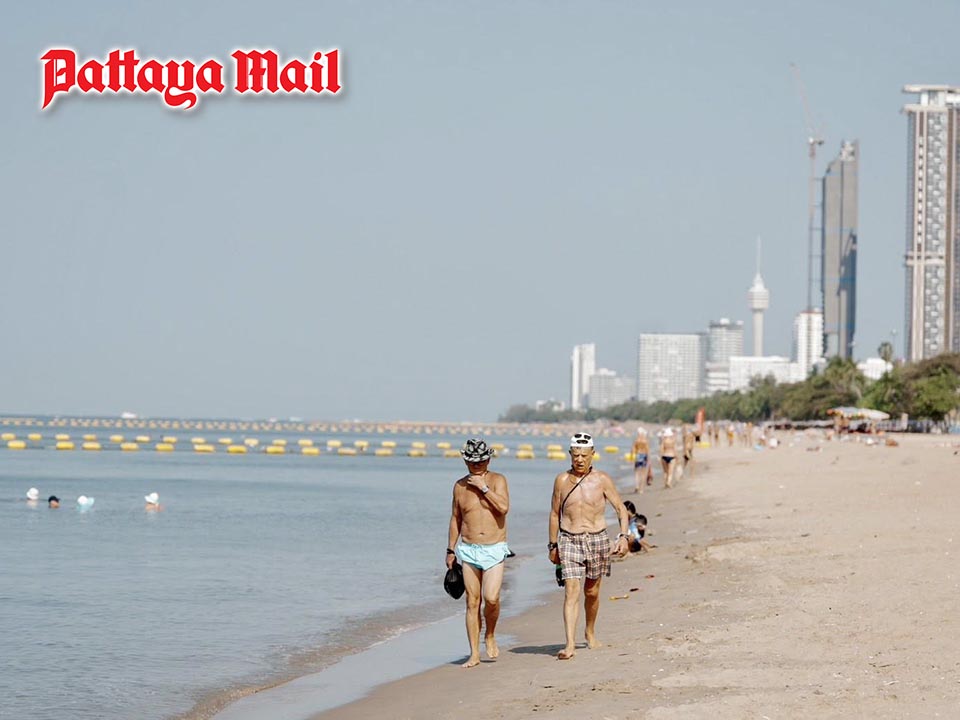
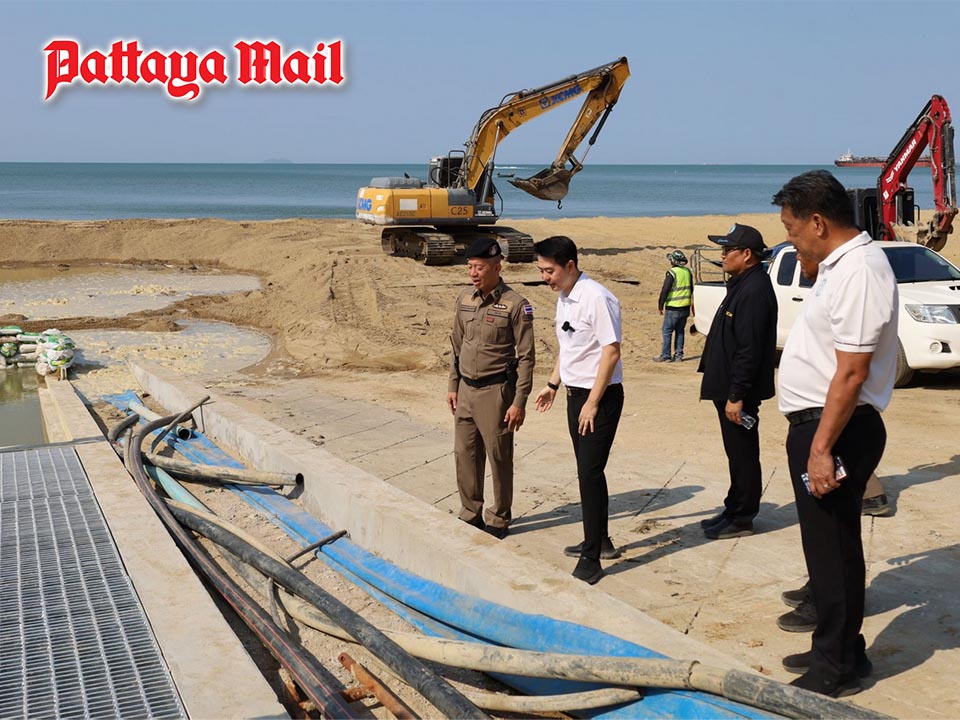
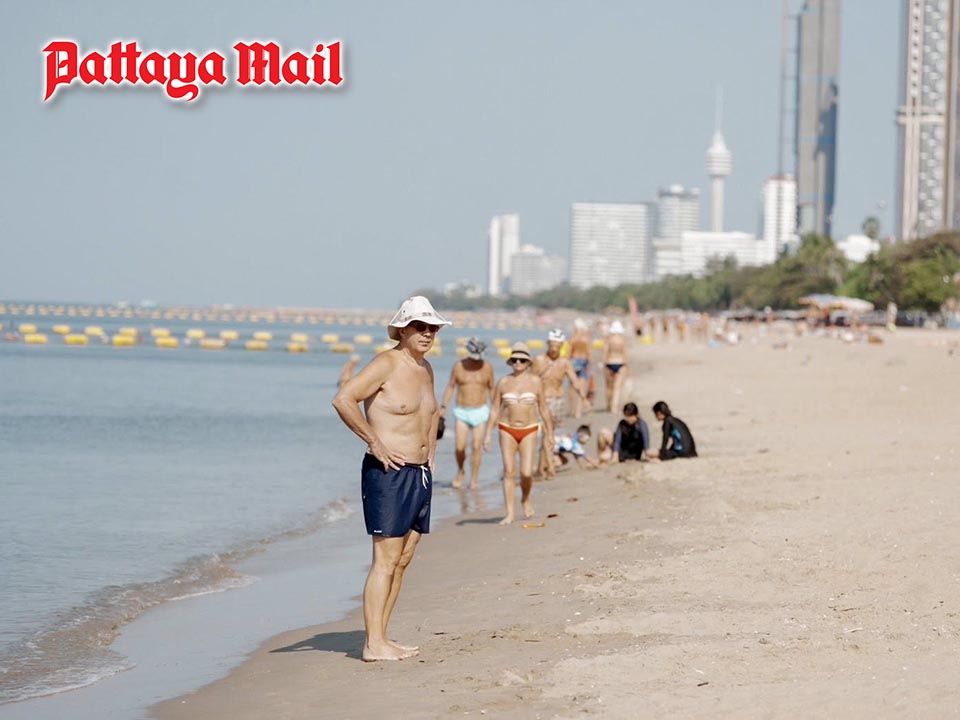
On Tuesday (Feb 3), Mayor Poramet personally led a follow-up site inspection alongside Deputy Mayors Manoch Nongyai and Kritsana Boonsawat, assistants to the mayor, and Pattaya City Council members. Officials confirmed that the latest water quality tests showed conditions had returned to normal levels, and the discoloration had fully dissipated. Tourists were later seen entering the water again along Jomtien Beach.
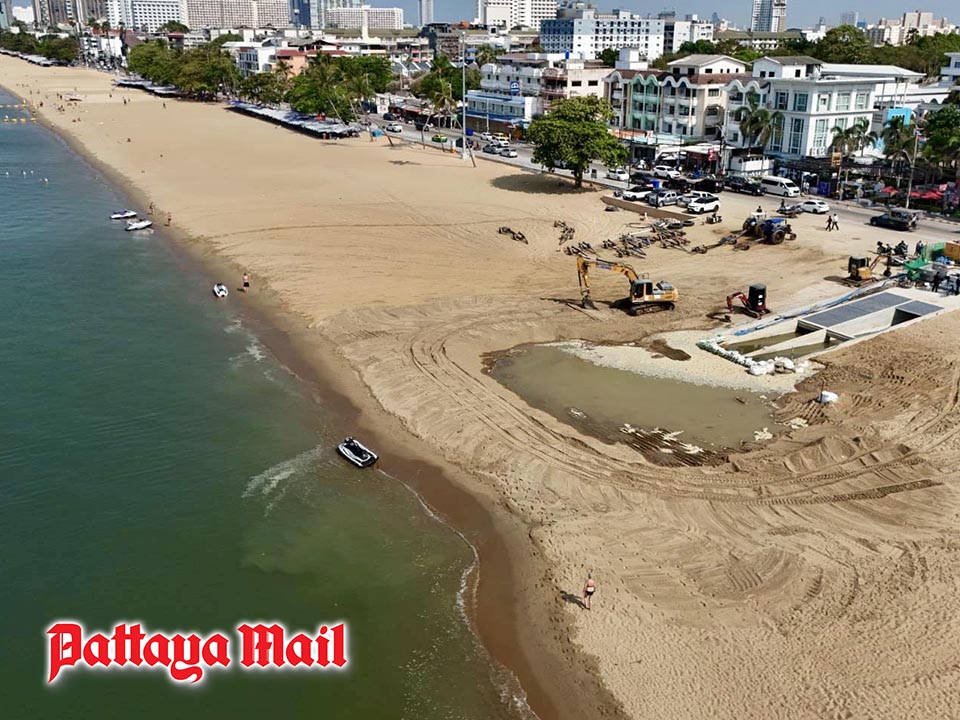
Mayor Poramet explained that the site is part of the Jomtien Beach landscape improvement and flood prevention project, involving a stormwater retention pond designed to channel rainwater into the main drainage system. The project began in September 2022 and is scheduled for completion by February 16.
However, investigations revealed that the contractor violated project agreements and environmental law by excavating a sand pit and temporarily storing wastewater there, hoping sediment would settle before releasing the water into the sea. This shortcut bypassed approved procedures and caused visible environmental damage.
“This action was illegal and unacceptable,” Mayor Poramet said. “It violated environmental regulations and harmed public confidence. Legal action has been taken, and the contractor has admitted wrongdoing and is fully cooperating. The activity has been immediately halted.”
While water clarity had improved visually even before the second inspection, authorities initially advised tourists to avoid swimming to prevent possible skin irritation. With the latest test results confirming normal water quality, beach activities have since resumed.
Strong Public Backlash
The incident triggered a fierce backlash on social media, with hundreds of comments expressing anger, frustration, and deep skepticism toward enforcement and accountability. Many residents and long-term visitors questioned how wastewater could be discharged in broad daylight at one of Pattaya’s busiest beaches without immediate intervention.
Several commenters said similar incidents have occurred repeatedly over the years, warning that public attention tends to fade while bad practices quietly resume. Others questioned whether action would have been taken at all had videos not gone viral, while some openly mocked Pattaya’s branding as a world-class tourist destination, saying untreated or poorly treated wastewater has no place on a public beach.
Parents voiced concern about safety, with some saying they would no longer allow their children to swim at Jomtien. Others reported experiencing skin irritation after swimming in the past, casting doubt on assurances about water treatment standards. A recurring theme in the criticism was weak enforcement, with commenters arguing that small fines and temporary suspensions fail to deter repeat violations.
While some residents welcomed the city’s swift inspections and visible response, many stressed that restoring public trust would require more than rapid cleanups. Calls grew for strict penalties, full transparency, and long-term measures to prevent similar incidents from happening again.
Environmental advocates also used the incident to highlight broader structural concerns, questioning the placement of stormwater retention ponds directly along the beachfront. They warned of long-term risks including sediment buildup, poor visual impact, land subsidence, and the potential for seawater backflow, urging authorities to rethink infrastructure planning in sensitive coastal tourism zones.