
What bond market jitters mean for tourism, and why Thailand still matters
BANGKOK, Thailand – Japan is rarely associated with uncertainty. For decades it has represented stability, efficiency, and quiet confidence, traits that have underpinned its economy and its enduring appeal as a travel destination. Yet as 2026 approaches, attention has shifted from cherry blossoms and Shinkansen timetables to a less comfortable topic, Japan’s government bond market. Rising yields, a volatile yen, and investor unease are raising questions not only for financiers, but for tourism across Asia, particularly the long-standing travel relationship between Japan and Thailand.
The market story, in plain English
Japan’s recent market turbulence stems from a gradual but significant shift in monetary conditions. After decades of ultra-low interest rates and heavy central bank intervention, government bond yields have begun to rise. This reflects concerns about public debt sustainability, inflation pressures, and the future direction of policy.
For travellers, the most visible effect is currency volatility. A softer yen makes Japan more affordable for inbound visitors, from accommodation and dining to transport and shopping. At the same time, it can make overseas travel more expensive for Japanese residents, subtly influencing outbound travel decisions. As Mark Carney might say ‘this is not a crisis, but it is a recalibration’.
What this means for tourism in Japan
Tourism and confidence are quietly linked. When domestic confidence weakens, Japanese travellers tend to become more selective rather than retreat altogether. Trips may be shorter, closer to home, or more value-focused.
Inbound tourism, however, often benefits. A weaker yen reinforces Japan’s appeal as a safe, clean, culturally rich destination offering excellent value. For Asian travellers in particular, Japan remains easy to access, well organised, and endlessly rewarding, even in times of economic uncertainty.
The Thailand connection
For Thailand, Japan’s financial adjustment matters most in terms of outbound travel. A volatile or weak yen can dampen Japanese travel abroad, particularly long-haul leisure and premium segments. Historically, Japanese visitors to Thailand have been high-value travellers, known for repeat visits and longer stays, so any softening is closely watched.
That said, experience suggests moderation rather than collapse. Japanese travellers adapt. When value, reliability, and emotional connection align, travel continues. Thailand continues to offer all three.
The global backdrop, America and confidence
Japan’s domestic challenges are unfolding against a wider backdrop of global uncertainty, particularly in relation to the United States. Under the catastrophic influence of Trump on markets are again facing unpredictability, from tariff rhetoric and trade tensions to strained alliances. What is striking this time is the growing crisis of confidence among Trump’s own supporters, increasing the risk of erratic policy signals and sudden reversals. The probable abandonment of his much-touted “beautiful ballroom”, stalled by court action over funding, alongside his conspicuous absence of support at Davos – respected World Leaders using the forum to consolidate their collective dislike of the man and rising discontent among his own base, points to a rapid erosion of confidence that may well thankfully mark the beginning of the end for Trump.
For Japan, deeply integrated into global trade and financial systems, this matters. Trade disruption and capital flow volatility can amplify bond market stress and currency swings. In such environments, investor caution rises and consumer confidence softens, with knock-on effects for discretionary spending, including travel.
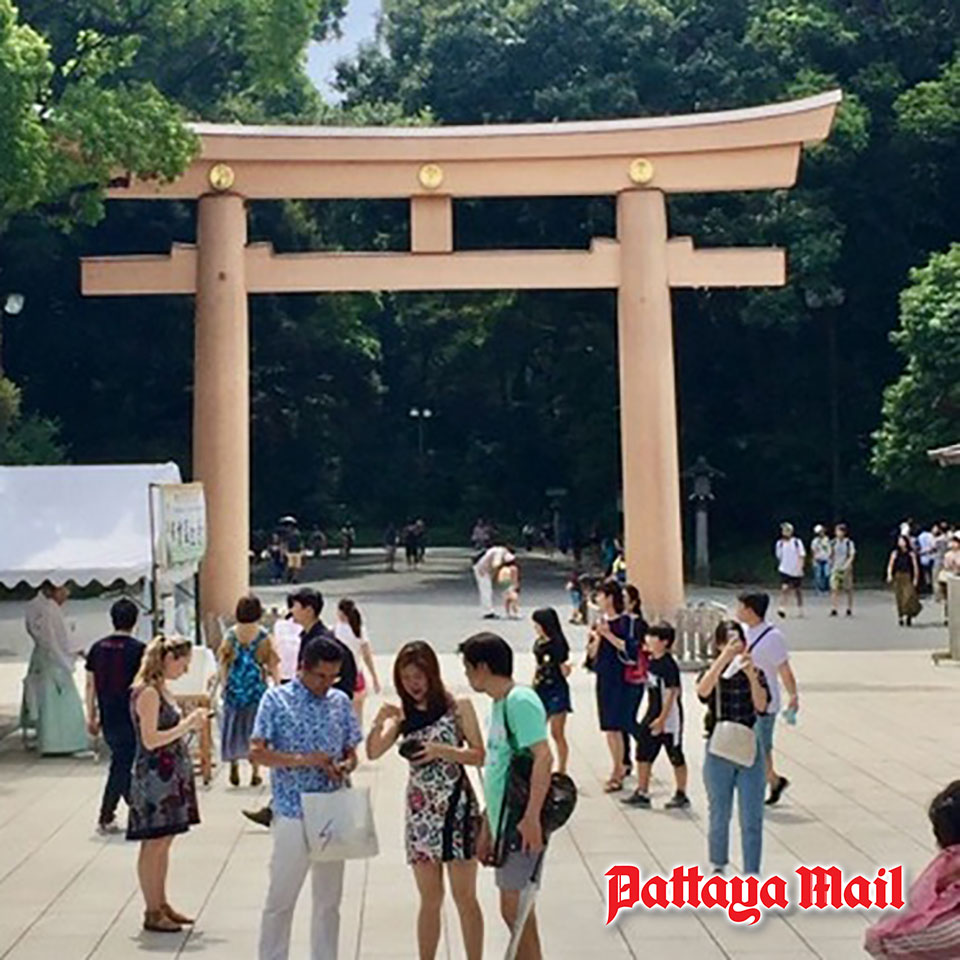
Tourism in an age of uncertainty
When confidence weakens globally, tourism patterns tend to shift rather than disappear. Business travel and long-haul discretionary trips are often the first to feel pressure. Leisure travel adapts, favouring destinations perceived as safe, efficient, welcoming, and politically neutral.
Japan fits this profile well for inbound tourism. Thailand does too. In an unsettled world, reassurance becomes a competitive advantage.
A personal reflection
Japan remains one of my favourite countries to visit. Food culture, environmental awareness, safety, and quiet sustainability are embedded in everyday life. Even when markets wobble, those fundamentals do not change.
For Asian travellers, particularly those from Thailand, practicality matters. Flights to Japan are frequent, schedules reliable, and accommodation options broad. Availability has rarely been a problem. That ease removes friction, and friction is often the silent killer of travel demand. The same can be said of Thailand.
The bottom line
Japan’s bond market volatility signals transition, not decline. Tourism will feel the effects at the margins, particularly in outbound travel, but core drivers remain intact. For Thailand, the implications are manageable and may even present opportunity.
In a world marked by financial recalibration and geopolitical noise, destinations that offer stability, value, and genuine welcome tend to perform best. Japan remains compelling. Thailand remains well positioned. Markets may fluctuate, but the desire to travel endures.
About the Author
Andrew J. Wood is a British-born travel writer, former hotelier, and tourism consultant who has lived in Thailand since 1991. With more than four decades of experience in international hospitality and tourism, he is a former Director of Skål International and a past President of Skål International Asia, Thailand, and Bangkok. Andrew writes extensively on tourism trends, sustainability, aviation, and destination strategy across the Asia-Pacific region, contributing to travel and hospitality publications worldwide. His work reflects a long-standing commitment to responsible tourism, cross-cultural understanding, and the evolving role of travel in a changing global economy.