BANGKOK, Thailand – The Department of Agricultural Extension has reaffirmed its nationwide effort to curb open burning in the agricultural sector, tightening oversight of more than 17,000 high-risk locations to address haze and PM2.5 pollution. The approach focuses on farmer outreach, alternative residue management, and targeted support in areas with a history of frequent burning.
Officials reported clear improvement from 2024, when more than 20,000 burning hotspots were recorded nationwide. Since then, no-burn farmer networks have expanded, and agricultural residues—estimated at 80 million units annually—have been reused, generating economic value exceeding 100 billion baht each year.
The implementation plan follows two main tracks. One reduces burning through data-driven identification of high-risk areas and the use of technology for more systematic planning. The other encourages farmers to avoid burning by promoting environmentally friendly practices and practical alternatives for residue handling.
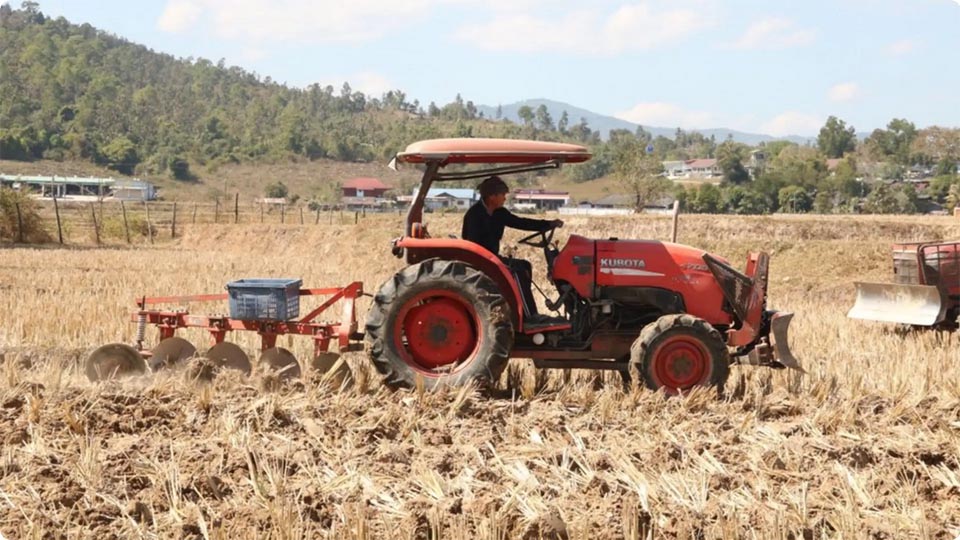
Measures include establishing 30 Green Gain Hubs in key provinces and the wider use of machinery and technologies that replace burning in agricultural areas. These steps support soil improvement, residue reuse, and more sustainable farm operations.
Four pilot provinces, including Chiang Rai, Chiang Mai, Lamphun, and Mae Hong Son, have been designated as no-burn areas, with a formal ban in effect from February 1 to March 31. Farmers who violate the ban will be barred from agricultural development and capacity-building programs from April 1, 2026, through March 31, 2028. (NNT)