BANGKOK, Thailand – Thailand’s cabinet on Tuesday approved a 9.1 billion baht ($280 million) liquidity injection for the state-run Bangkok Mass Transit Authority (BMTA), a key move aimed at stabilizing the debt-ridden agency and accelerating its transition to an all-electric fleet to combat the city’s chronic air pollution.
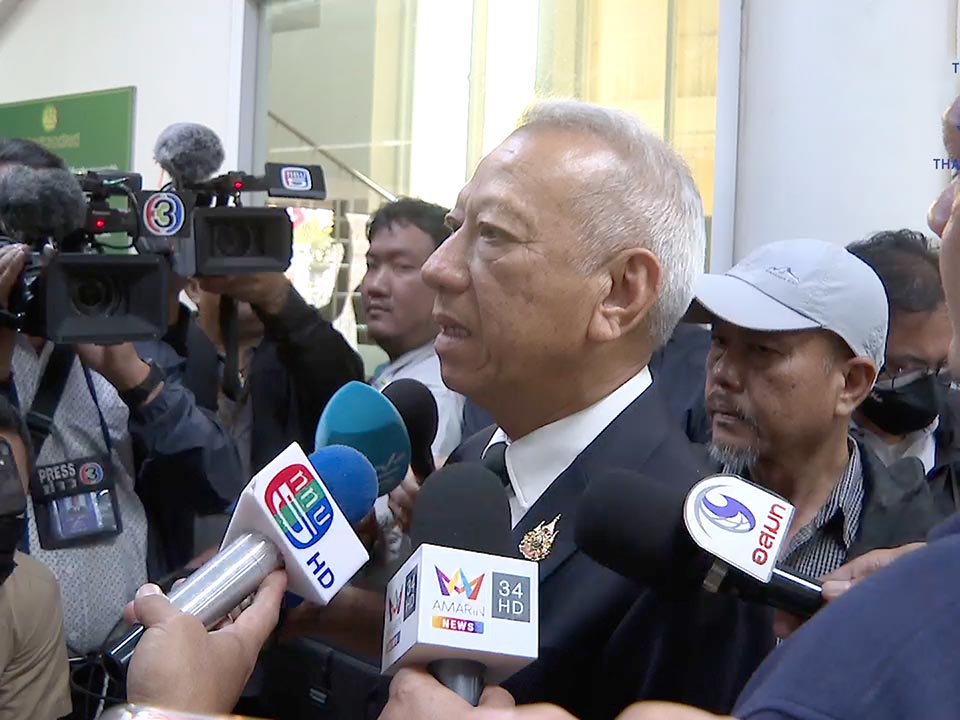
Pipat Ratchakitprakarn, Deputy Prime Minister and Minister of Transport, stated that the funding would resolve immediate cash flow issues while the agency shifts to a long-term leasing model. This strategic pivot is designed to eliminate heavy maintenance and spare part expenses that have burdened the operator for decades.
The BMTA expects to reach a break-even point within seven years by replacing its aging, high-emission diesel buses with electric vehicles (EVs). The agency has finalized the procurement of 1,520 electric buses, with the first batch scheduled for delivery in 2027 and a second lot of 800 units in 2028.
Combatting “Black Smoke” and PM2.5
The move comes as Bangkok faces mounting public pressure to address severe seasonal air pollution. For years, the BMTA’s legacy fleet of diesel-powered “red buses”—many of which have been in service for over 30 years—has been among the most visible contributors to ‘black smoke’ and fine particulate matter (PM2.5) in the capital.
By streamlining the fleet to 2,300 vehicles and transitioning to electric power, the government aims to slash fuel costs by more than 60% and significantly reduce the transport sector’s carbon footprint. This initiative aligns with Thailand’s broader national commitment to achieve carbon neutrality by 2050 and reach net-zero greenhouse gas emissions by 2065. (TNA)