PATTAYA, Thailand – The Thai Cabinet has approved five targeted measures to stimulate domestic tourism during the high season through the end of 2025, focusing on secondary cities and encouraging private sector upgrades via tax incentives. Officials say the plan aims to increase domestic travel, improve tourism infrastructure, and push Q4 GDP growth by 1%.
- Individual tax deduction: Thai residents can claim up to 20,000 baht for hotel, homestay, and restaurant expenses with full or e-Tax invoices. Spending in 55 secondary provinces and parts of 15 others qualifies for 1.5× deductions, encouraging use of e-Tax Invoices and supporting local tourism.
- Corporate tax incentives: Companies hosting training or seminars within Thailand can deduct 2× expenses, including hotel, seminar, and transport costs, with 1.5× deductions if held in secondary tourist provinces.
- Front-loaded government spending: Agencies, state enterprises, and local governments are required to spend at least 60% of training and seminar budgets between October 2025 and January 2026, a major increase from the historical 10–20%, with the spending linked to KPIs of department heads.
- Hotel upgrades: Renovation and expansion costs for hotels (excluding basic repairs) are eligible for 2× tax deductions from October 29, 2025, to March 31, 2026. The Government Savings Bank is preparing funds to support hotel modernization, pending Cabinet approval.
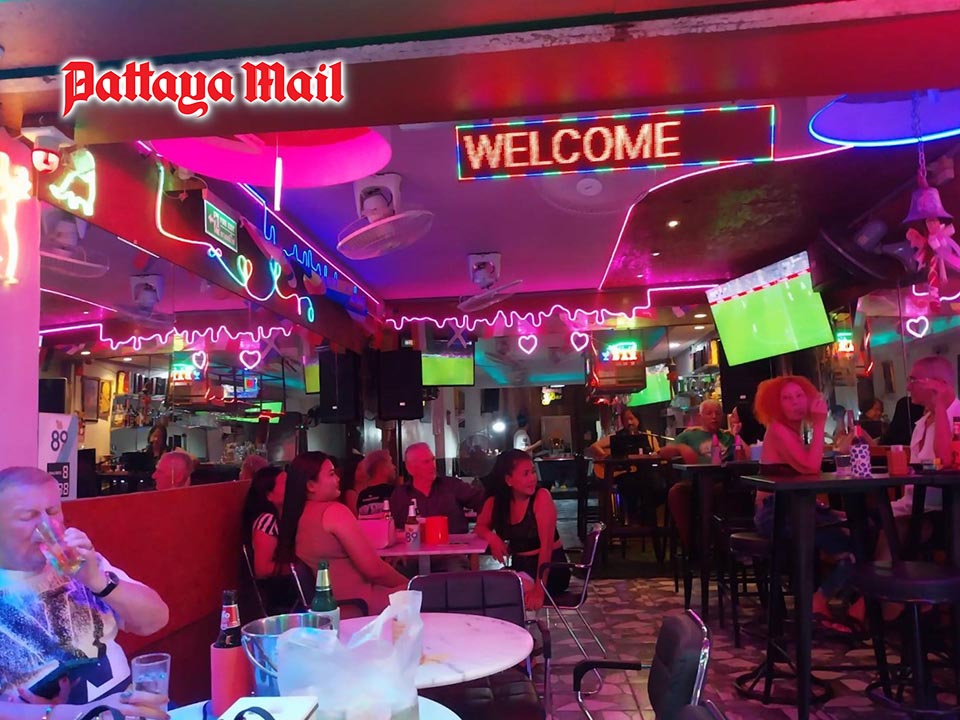
- Entertainment tax extension: Reduced excise tax for entertainment venues such as nightclubs, bars, and pubs remains at 5% for one more year, covering January–December 2026. Registration support for operators will expand the excise tax base.
Ministry of Finance comments:
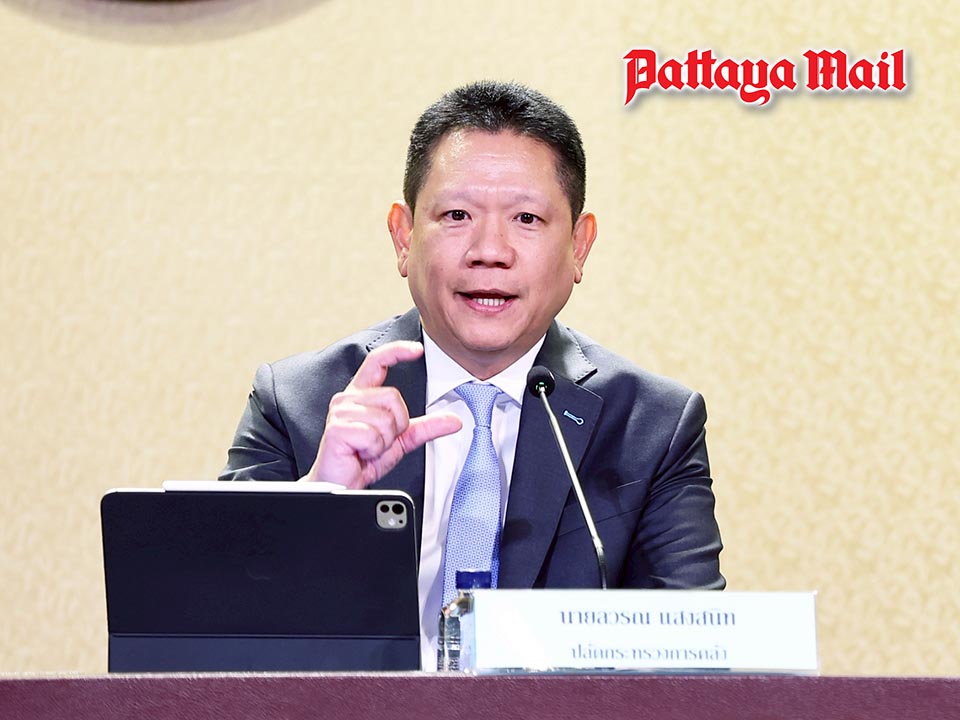
Lavaron Sangsnit, Permanent Secretary of the Ministry of Finance, emphasized that these measures are designed to encourage Thai residents to travel domestically, increase spending in secondary cities, and incentivize private investment in tourism infrastructure. He noted that the tax deductions and incentives would stimulate approximately 13 billion baht in tourism spending, with combined government programs pushing total outlays to 110 billion baht, contributing 0.45% to Q4 GDP.
The Ministry expects these incentives to strengthen the tourism sector, create jobs, and improve local economies across Thailand’s lesser-visited provinces. (TNA)