PATTAYA, Thailand – A field visit to Pattaya on October 1 revealed that the key tourist city remains heavily dependent on its tourism sector, with over 90% of local workers employed in services such as restaurants, hotels, and related businesses. A weaker Thai baht during certain periods has made Pattaya an attractive “value-for-money” destination for foreign visitors, boosting spending and hotel occupancy rates.
Following the easing of border tensions, hotel operators reported rising bookings and increased food and beverage sales, particularly from Russian tourists, who continue to travel steadily, and from an expanding Indian market during the low season. Many hotels have been able to adjust room rates back to reasonable levels, restoring confidence among local business owners.
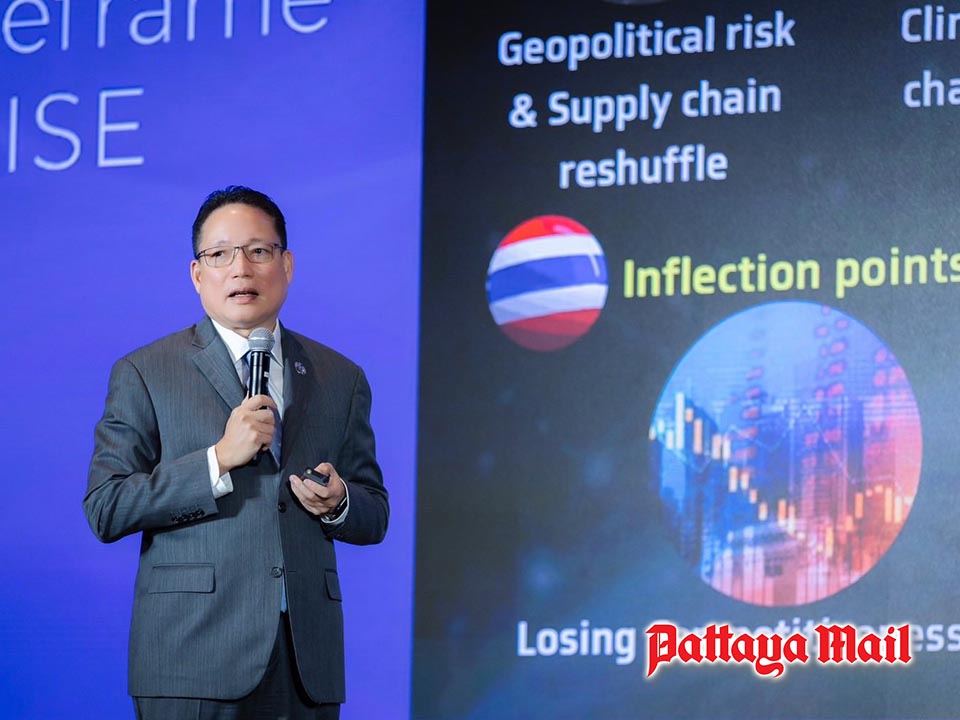
Despite these positive local signs, Thai banking chief and Krungthai Bank CEO Payong Srivanich presented a broader, more concerning picture of the national economy at the seminar “Save Thailand: Restore • Reframe • Rise.” He highlighted five major structural challenges facing the country:
- Fragile economic structure – Household debt exceeds 100% of GDP, while the informal economy accounts for more than 48%.
- Low competitiveness – Economic growth lags behind regional peers, capital outflows persist, and foreign investment remains insufficient.
- Outdated and overlapping regulations – Thailand has over 100,000 laws that hinder business activity rather than support it.
- Stalled domestic investment – The country needs stronger incentives to attract FDI and support local entrepreneurs in accessing government markets.
- SME constraints – Small and medium enterprises require new tools and programs, such as support from the Thai Credit Guarantee Corporation (TCG) and PromptBiz, to enhance productivity without adding burdens.

To address these challenges, Mr. Payong proposed a “Reinvent Thailand” strategy, with the private sector at its core and the government providing data-driven policy support and clear KPIs. The strategy focuses on three urgent tasks: integrating the informal economy into the formal sector, tackling household debt through a National Credit Score system, and improving household income via skills development and adequate welfare measures.
Pattaya is gradually recovering, fueled by foreign tourism. However, Thailand’s economy as a whole still faces significant structural vulnerabilities. Without reforming core issues such as high household debt, declining competitiveness, and outdated regulations, even thriving tourist cities like Pattaya remain at risk of repeating past economic challenges.