From Sri Lanka to Bhutan: Hard lessons on why insurance matters abroad
BANGKOK, Thailand – When we pack our bags for a journey, most of us think about tickets, hotels, and itineraries. Far fewer give much thought to travel insurance, often treating it as an optional extra. In reality, insurance is as essential as your passport. It is the invisible safety net that can make the difference between a minor disruption and a financial or personal disaster.
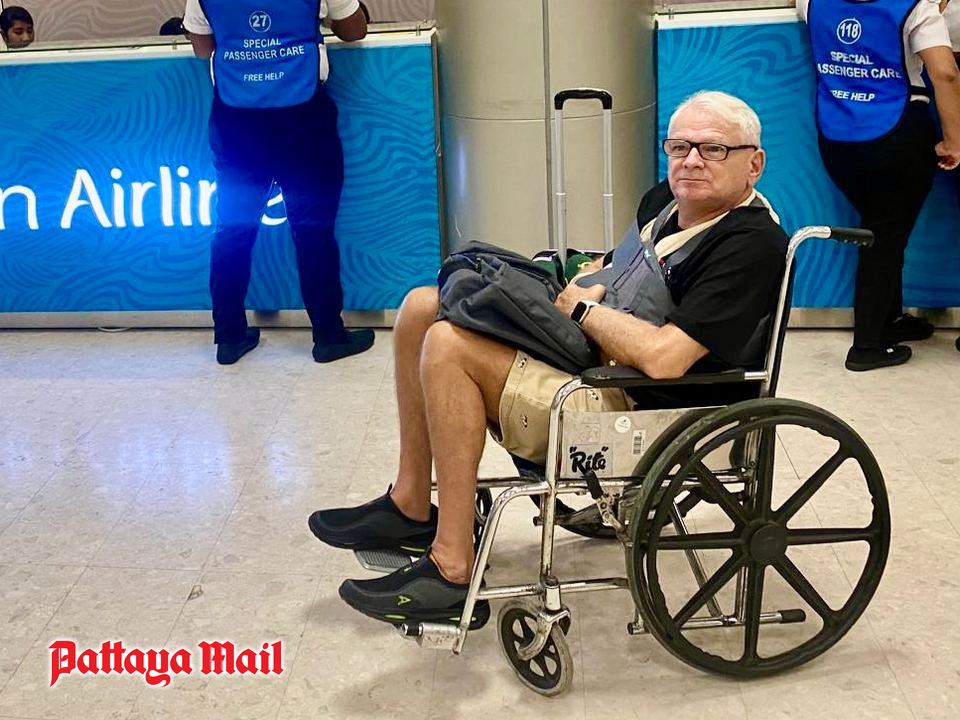
I write from personal experience. Recently in Sri Lanka, I fractured my shoulder in three places after a fall in my hotel room in Galle.
A midnight trip to the bathroom, a misjudged step, and suddenly I was in an ambulance. My first stop was a government hospital, which on paper offered free care. In reality, the wards were overrun, the staff overwhelmed, and the facilities ill-equipped to handle foreign visitors. Locals struggled to get the treatment they needed, and adding tourists to the queue simply worsens the strain. My advice is blunt: never rely solely on “free” public healthcare while travelling. Without proper insurance, you risk delays, inadequate treatment, and immense stress.
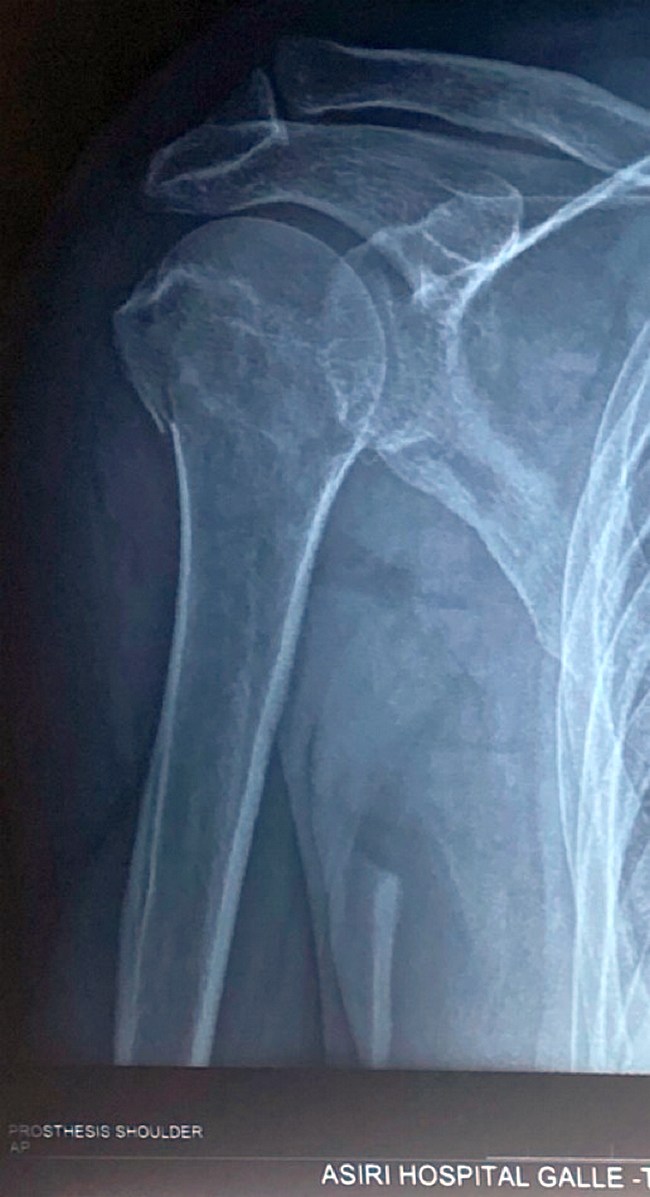
The turning point came when, thanks to my travel insurance, I was transferred to a private hospital. The contrast was like night and day. Skilled staff, modern equipment, and timely treatment (no queues of sick mostly elderly Sri Lankans and tired, unsmiling overwhelmed doctors) restored my confidence. I was attended to immediately and quickly dispatched to have an Xray for my shoulder. It was a stark reminder, you get what you pay for, and when your health is at stake, cutting corners is not an option.
Back in Thailand, barely three weeks later, I had another accident at home and broke my foot. Without insurance, that too could have been financially painful. Instead, my accident cover meant the bills were taken care of. Peace of mind is priceless, especially when accidents come in quick succession.
This was not my first brush with injury abroad. Some years ago in Bhutan, a country I admire deeply for its emphasis on its citizens happiness. I had slipped while trekking and broke my ankle. Bhutanese hospitals, though free and staffed by caring professionals, lacked the diagnostic equipment to detect the fracture. Only upon my return to Bangkok was the break confirmed. That delay reinforced a lesson: insurance not only covers costs but gives you the ability to access higher standards of care, sometimes beyond the borders of the country you are visiting.
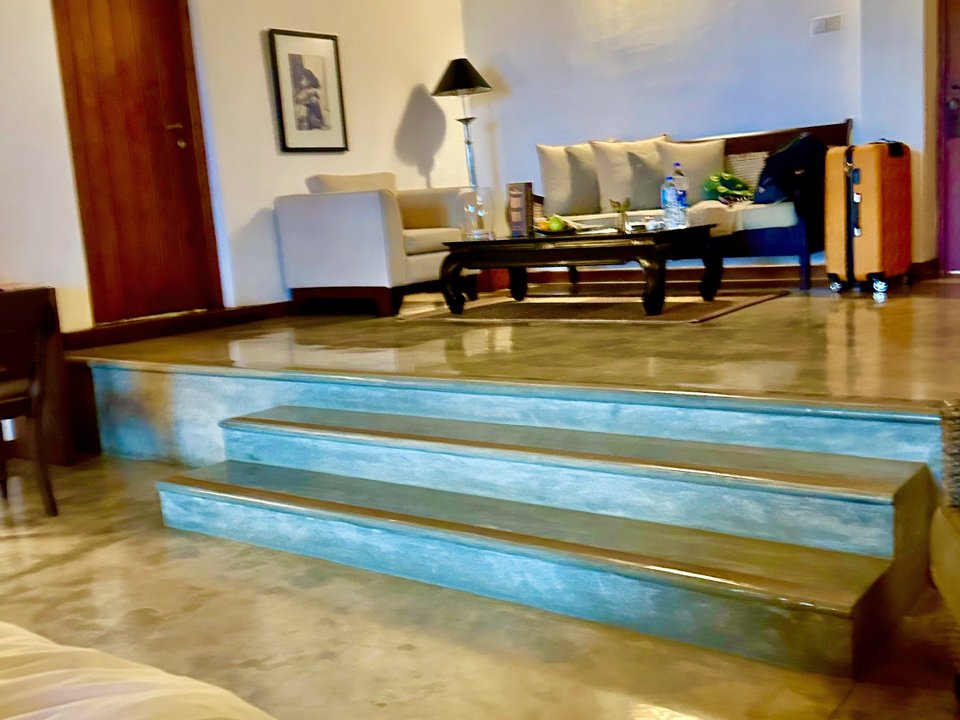
The hard fact is that accidents happen everywhere, even in places we love and feel safe. Hotel designers please note – steps in bedrooms are a hazard. Travellers please note, a policy that covers hospitalisation, emergency evacuation, and follow-up care is not a luxury, it is a necessity.
Travel opens the door to wonder, discovery, and joy. But it also carries risk, often when you least expect it. Take my advice, born from hard knocks and hospital stays across numerous countries: secure the best possible travel insurance before you set foot on your journey.