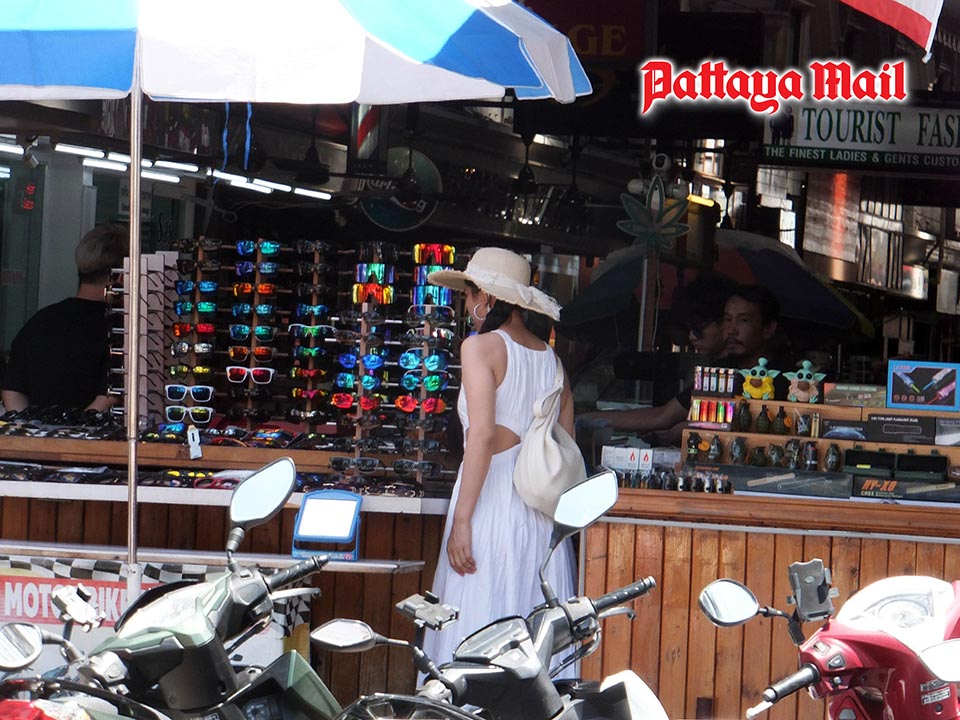
PATTAYA, Thailand – Pattaya is often showcased as a bustling tourist paradise, yet beneath the neon lights and crowded beaches, the city’s tourism model is quietly faltering. Official visitor numbers continue to rise, but these figures increasingly mask a troubling reality: the city’s infrastructure and economic benefits are skewed, and many long-term challenges remain swept under the carpet.
A glance at Pattaya’s streets, restaurants, and tourist services shows a city over-reliant on a single demographic. Many observers note that Indian tourists now dominate parts of the city, reshaping the market. Bars, restaurants, and massage parlors cater heavily to this clientele, while traditional Western visitors—once the backbone of Pattaya’s international appeal—remain in decline. The shift in visitor composition is not inherently a problem, but it highlights a dependence on a narrower revenue base, raising questions about long-term sustainability.
Dual pricing, often cited as a grievance in tourist hubs worldwide, is minimal in Pattaya. While outsiders sometimes assume the city engages in widespread discriminatory pricing, public attractions and museums rarely practice it. The real “hidden costs” are subtler: inflated service charges, opaque menus, and local businesses prioritizing volume over quality, all while official statistics suggest everything is thriving.
Transportation and city planning reflect deeper inefficiencies. The streets remain clogged, partly due to rental scooters and cars that serve tourists but add noise, congestion, and pollution. Many locals and savvy visitors argue that Pattaya should encourage public transportation options like buses, Grab, or Bolt, rather than promoting rental vehicles that enrich outside corporations while straining local infrastructure.
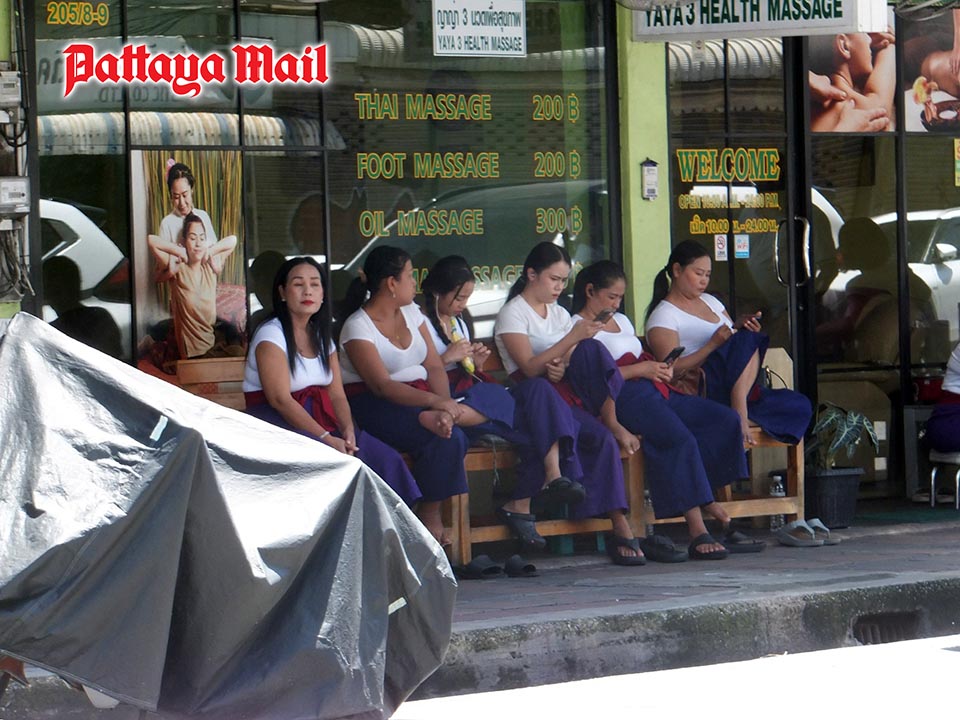
The city’s nightlife and hospitality sectors continue to function like a veneer, masking the uneven distribution of benefits. Western tourists, who historically contributed higher per capita spending, are deterred by rising prices, crowded streets, and an experience that feels increasingly catered to other demographics. Meanwhile, businesses focused on Indian visitors flourish, creating micro-economies within Pattaya that may not integrate into the city’s overall development.
Ultimately, Pattaya faces a paradox. Tourism numbers are high, but the city’s economy may be underperforming relative to those figures. What looks like prosperity is often just dust under the carpets: a busy city, yes, but one quietly struggling with overcrowded streets, imbalanced demographics, and a lack of long-term strategy for sustainable tourism. Without a concerted effort to diversify the visitor base, improve infrastructure, and address public service gaps, Pattaya risks letting its glittering image mask a deteriorating reality.