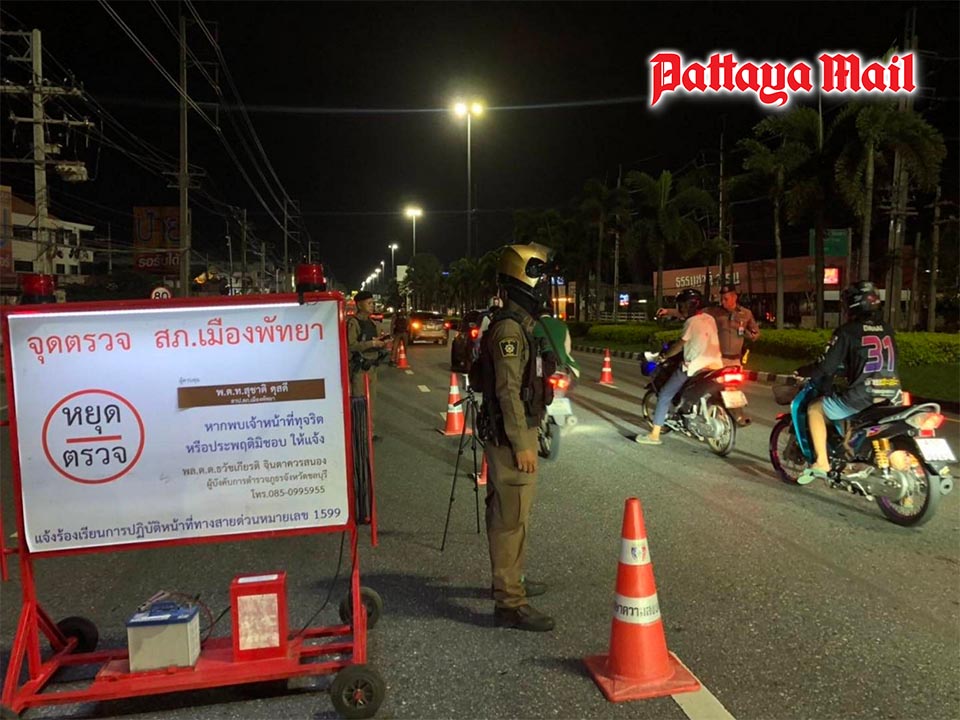
PATTAYA, Thailand – The city of Pattaya is increasingly becoming a landscape defined by checkpoints. On September 15, under the leadership of Pol. Col. Anek Srathongyoo, the Pattaya Police Department set up roadblocks on Sukhumvit Road and surrounding areas, resulting in the arrest of several individuals for drug offenses. Officers seized ecstasy pills and ketamine from suspects ranging in age from 22 to 33.
While the crackdown demonstrates Pattaya’s law enforcement commitment to tackling narcotics, it also underscores a broader issue: the city is becoming saturated with checkpoints, giving the impression that public safety is being enforced through constant roadside stops rather than sustainable, long-term solutions. Residents and visitors often experience disruptions in daily life, from traffic congestion to heightened scrutiny at every major intersection.
Critics argue that this “city of checkpoints” approach may address symptoms rather than the root causes of crime. Drugs, reckless driving, and other safety risks are persistent in Pattaya, but continual checkpoint operations do little to address underlying social, economic, or behavioral factors. Instead, they risk normalizing an environment where constant monitoring becomes the primary solution, which may erode public trust and create a sense of unease among locals and tourists alike.
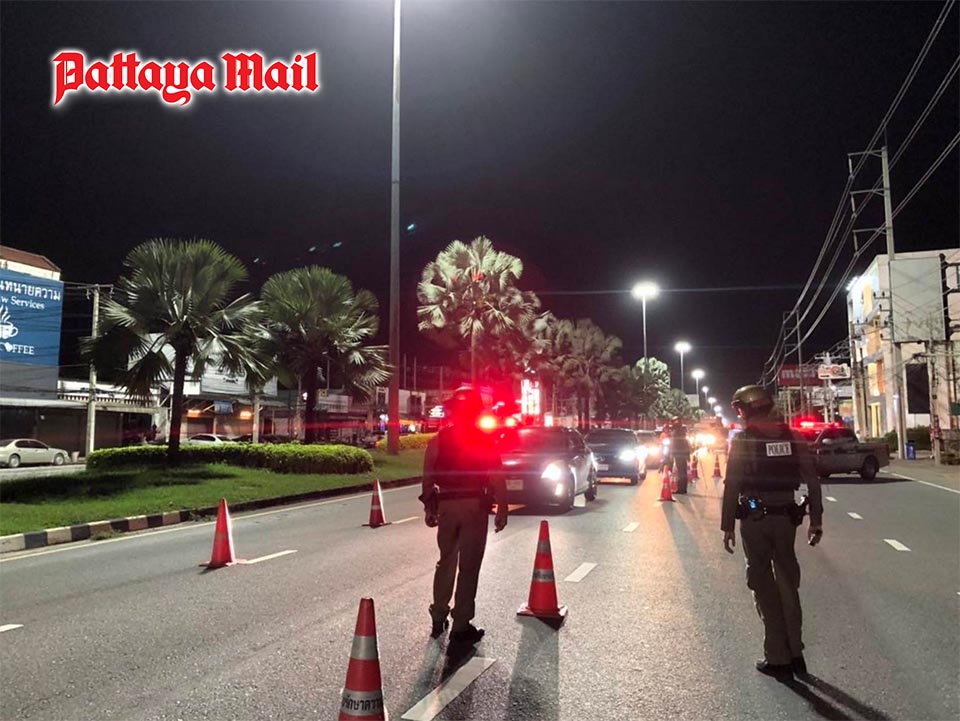
Moreover, while arrests of offenders are highlighted in police statements, there is little discussion about preventive measures such as public education campaigns, community outreach, and rehabilitation programs for drug users. Experts suggest that combining checkpoints with awareness initiatives, consistent patrolling, and targeted interventions could be more effective than relying solely on ad hoc roadblocks.
The recent Sukhumvit Road operations also highlight a recurring tension in Pattaya: balancing crime prevention with public convenience. While authorities emphasize their duty to maintain order, the growing number of checkpoints could inadvertently affect tourism and daily mobility, raising the question: is Pattaya truly becoming safer, or simply a city under constant watch?
As Pattaya continues to grow as a tourist and residential hub, the challenge will be finding an equilibrium where law enforcement is visible but not obstructive, proactive but not reactive. Without complementary strategies, the proliferation of checkpoints risks transforming Pattaya from a vibrant city into one defined by traffic stops and police scrutiny.