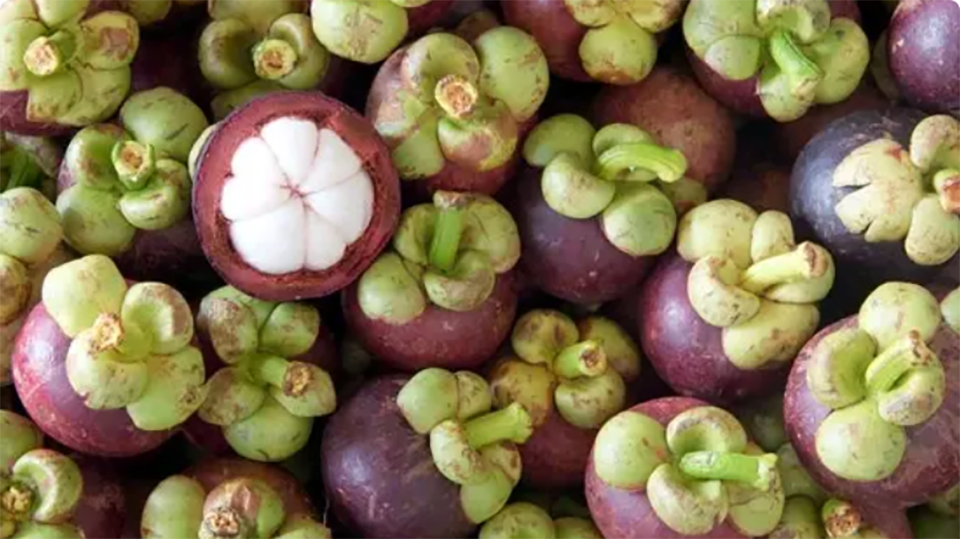
BANGKOK, Thailand – Deputy Commerce Minister Suchart Chomklin has reported that domestic distribution efforts for southern mangosteens are yielding strong early results, with more than 40 percent of the crop already reaching markets and prices beginning to stabilize. Led by the Department of Internal Trade, the effort involves coordination with department stores, gas stations, banks, and Stock Exchange of Thailand (SET)-listed companies to expand sales channels and move fruit efficiently from farms to consumers.
Suchart accompanied Commerce Minister Jatuporn Buruspat on a visit to Nakhon Si Thammarat province on July 4 to assess the harvest and review market linkage strategies. He observed that cooperation from major retailers and corporate buyers placing bulk orders has helped relieve supply pressure and improved returns for farmers. These large-scale purchases, often part of corporate social responsibility programs, help absorb surplus produce directly at the source.
In past years, southern growers faced challenges when their harvest overlapped with eastern supply, delaying fruit collection and weakening prices. This season, improved coordination and expanded collection points in the South have helped correct that lag. With stronger links to retail chains and institutional buyers, southern mangosteens are reaching consumers more quickly and at fairer prices.
Suchart has directed the Department of Internal Trade to apply this distribution model to other fruit crops, including longans from northern provinces. The strategy, which involves diversifying regional sales and enhancing logistics during peak seasons, is expected to reduce waste and improve farmer income nationwide.
He acknowledged the role of both corporate buyers and Thai consumers in supporting the agriculture sector and reaffirmed the value of the policy “Made by Thais, Used by Thais, Helping Thais,” saying it continues to show real results in strengthening the domestic market and supporting Thai farmers. (NNT)