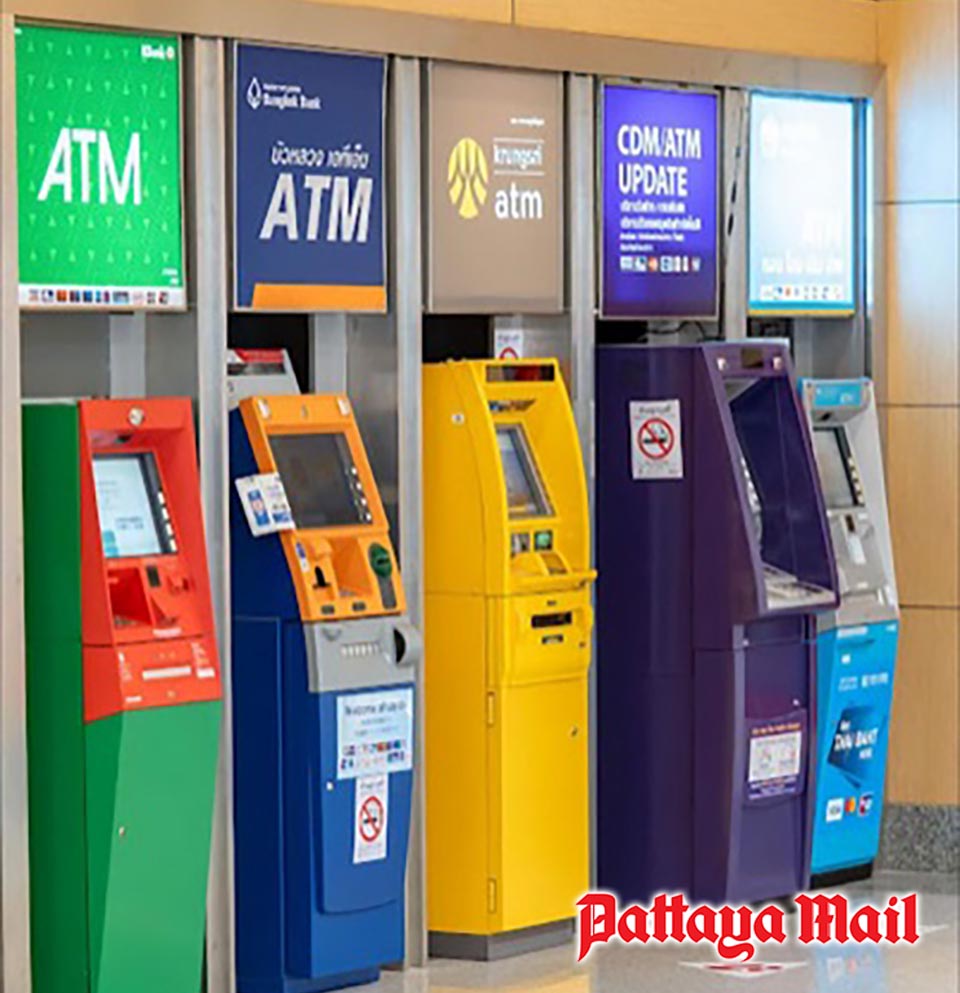
PATTAYA, Thailand – Over the years, Pattaya has evolved into a magnet for older men seeking sun, comfort, and companionship in retirement. Yet, beneath the palm-lined beaches and neon lights lies a long-standing, often uncomfortable stereotype — that retirees here are seen less as partners and more as providers. The term “walking ATM” is used casually, sometimes bitterly, among long-timers, hinting at a dynamic many know too well.
One recent arrival summed it up with dark humor: “I just arrived in Pattaya. Never seen it so empty. But the ATMs? Still working overtime.”
What begins for many as a search for connection can quickly turn into a financial arrangement — rent payments, scooters, family remittances, even land purchases in someone else’s name, since foreigners cannot legally own property in Thailand.
“I met her at a bar and we hit it off,” said one retiree. “Next thing I know, I’m covering her bills and sending money upcountry. But once I ran into financial trouble, she vanished.”
These aren’t isolated cases. Many expats openly share similar experiences. Some relationships are genuine, built on patience and mutual respect. Others, however, quietly shift into dependency, where affection is conditional on continued financial support.
“The first time I visited, I was flattered by the attention,” another retiree recalled. “But later I realized I was just part of a routine — one of many guys paying someone’s way.”
Complicating the situation are rising living costs. While some say beer remains relatively cheap, imported food, wine, and luxury items are costly, leaving retirees to choose between tightening their wallets or maintaining expensive habits — sometimes for themselves, sometimes for others.
“I would suggest that beer is one of the cheapest commodities,” one long-timer said. “But not everyone wants to eat rice and chicken every day.”
Others point to a broader cultural and economic divide. For some local women with limited opportunities, a foreign partner represents stability. For the retiree, she offers care and companionship. But when the relationship is built primarily on money, cracks inevitably form.
“I know she’s with me for security,” one 72-year-old expat said plainly. “And I’m okay with that. I get company, she gets help. It’s a trade. Just don’t fool yourself into thinking it’s a fairytale.”
Yet many newcomers do fall for the fantasy, only to wake up alone, emotionally bruised and financially drained. It’s a dynamic that seasoned residents warn about often — trust slowly, spend cautiously, and never put property in someone else’s name.
Some expats see the system clearly and still participate with eyes wide open. Others express quiet regret, wishing they had asked more questions or drawn clearer lines sooner. A few grow bitter, pointing to what they perceive as a culture of smiles that can sometimes mask expectations of giving.
As one commenter noted “Don’t want to bash, but if people could only have genuine respect for each other, it’s win-win. But greed and corruption hiding behind a smile is still just greed.”
Still, not everyone is disillusioned. Many relationships in Pattaya thrive on honesty and compromise. There are couples who grow old together in simple, respectful partnerships. The key, veterans say, is not to confuse attention with affection — and never to confuse financial generosity with love.
In Pattaya, the ATMs keep humming, indifferent to who’s withdrawing — or what’s being withdrawn. For many, they stand not just as machines, but as metaphors for the exchange that defines too many relationships in this city: quiet, transactional, and rarely equal.