BANGKOK, Thailand – Thailand is developing a comprehensive trade strategy in response to the United States’ decision to raise tariffs under the Trump administration, a move expected to impact key Thai export sectors. With the new duties aimed at reducing the U.S. trade deficit and encouraging domestic manufacturing, Thai officials are seeking to avoid the setbacks faced by other nations by adopting a calibrated approach that considers both economic and political factors.
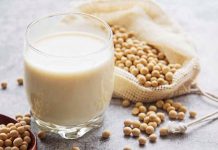
Policy Advisor to the Prime Minister, Supavud Saicheua, explained that a critical part of Thailand’s plan involves building stronger ties with U.S. agricultural states by increasing imports of surplus American farm goods. These would be processed using Thailand’s advanced food production capabilities and re-exported as higher-value products. The government hopes this strategy will align with U.S. economic priorities and lower the likelihood of further trade penalties.
Thai authorities are also tightening controls against export fraud, expanding selective imports of U.S. goods in areas where Thailand faces shortages, and encouraging Thai investment in the American market. These steps are expected to help reduce the bilateral trade surplus and lay the groundwork for deeper cooperation.
To support domestic exporters affected by the tariffs, the government has launched a three-billion-baht zero-interest loan scheme. The facility aims to provide short-term liquidity and help businesses explore alternative markets beyond the United States during the adjustment period.
Trade talks will be led by technical teams from the Ministry of Commerce, with unresolved issues referred to higher-level negotiations. Officials stress that long-term success will rely on cultivating strong partnerships within the U.S., especially in agricultural regions, while protecting Thailand’s broader economic interests. (NNT)