

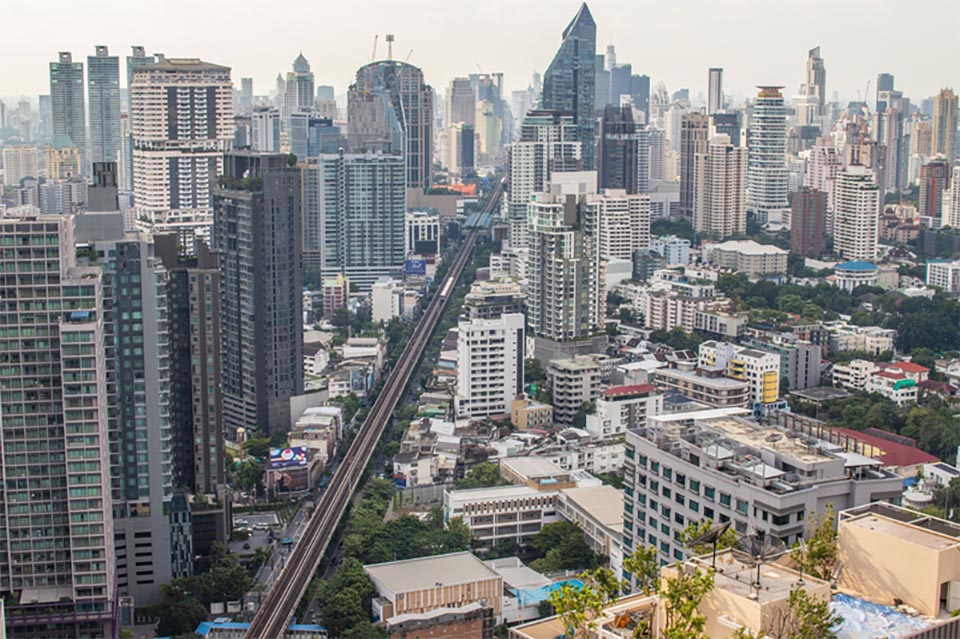
BANGKOK, Thailand – Sansiri recorded the highest net profit among Thailand’s 10 major listed property developers in the third quarter of 2026, earning 1.258 billion baht, according to an analysis by Plus Property. AP Thailand ranked second with 1.207 billion baht in net profit, followed by Supalai with 833 million baht. The figures highlight the uneven performance of the housing sector, which continues to face fragile purchasing power, high household debt and tighter lending conditions.
Plus Property said developers were still relying heavily on transfers of completed properties and revenue recognition from their sales backlogs. Cost control and expense management remained important in protecting profit margins, while rental properties and hotels provided additional recurring income for some companies. The luxury housing market in selected locations continued to attract buyers with strong purchasing power. However, the wider market remained under pressure, with the recovery in housing demand far from uniform.
Top 10 listed property developers by Q3 net profit
- Sansiri (SIRI) recorded net profit of 1.258 billion baht, up 25.7% year on year, with total revenue of 8.638 billion baht, an increase of 8.1%. Transfers of completed condominiums and low-rise housing projects, together with cost control and financial discipline, supported its performance.
- AP Thailand (AP) posted net profit of 1.207 billion baht, up 4.6%, and revenue of 11.165 billion baht, rising 21.6%. Its results were supported by transfers of low-rise homes from its sales backlog and completed condominium projects, alongside a broader range of housing products and expansion into provincial markets.
- Supalai (SPALI) earned 833 million baht in net profit, down 28.7%, while revenue fell 18.7% to 5.421 billion baht. Slower transfers of low-rise properties weighed on results, while new condominiums only began transferring towards the end of the quarter. The company expects additional revenue recognition in the fourth quarter.
- Land and Houses (LH) reported net profit of 818 million baht, up 4%, and revenue of 5.666 billion baht, increasing 5.4%. Growth in rental and service businesses, particularly hotels, helped offset weaker sales of houses and condominiums.
- Quality Houses (QH) recorded net profit of 332 million baht, down 30.9%, and revenue of 1.497 billion baht, falling 36.5%. The absence of new project launches during the first half of the year, flood-related delays in property transfers and price reductions to clear existing stock affected its performance.
- AssetWise (ASW) posted net profit of 288 million baht, down 0.7%, while revenue rose 7.8% to 2.804 billion baht. Higher costs weighed on profit despite continued sales, with transfers from its Leisure Residence project in Phuket supporting revenue.
- SC Asset (SC) earned 133 million baht in net profit, down 65.8%, with revenue falling 20.1% to 4.155 billion baht. Revenue from low-rise housing declined 41%, while high-rise revenue increased 83% following condominium transfers. Rental and service income also fell 10.5% while parts of its office space underwent renovation.
- Pruksa Holding (PSH) recorded net profit of 92 million baht, down 13.5%, and revenue of 3.127 billion baht, decreasing 3.7%. Lower property sales and flood-related postponements of transfers weighed on results, although its hospital business continued to grow.
- Origin Property (ORI) reported net profit of 80 million baht, down 56.5%, and revenue of 1.999 billion baht, falling 18.2%. The decline was mainly attributed to the absence of gains from the disposal of investments in joint ventures compared with the previous year, as well as a lack of new projects beginning transfers during the quarter.
- L.P.N. Development (LPN) recorded a net loss of 54 million baht, with revenue of 1.695 billion baht, reflecting weaker sales and income recognition from both low-rise housing and condominium projects.
Developers urged to adapt strategies for 2027
Suwannee Mahanarongchai, managing director of Plus Property Co., Ltd., said the property market in 2027 would continue to face limited purchasing-power recovery, high household debt and intensifying competition. Development costs would also remain a challenge to profitability, requiring companies to take a more comprehensive approach to business management.
She outlined four priorities for developers: planning investment and project portfolios around genuine market demand; controlling costs and maintaining building quality throughout the property life cycle; expanding opportunities in the second-hand housing and rental markets; and growing property management services to generate recurring income.
Suwannee said developers should carefully assess local demand, customer purchasing power and unsold inventory before deciding on product types, pricing and project launch schedules.
She also highlighted the need to use technology and data to improve building maintenance, energy management and resource efficiency, helping control long-term operating costs.
The second-hand housing and rental markets offer further opportunities, particularly among younger people and foreign residents who may not be ready to purchase a property. Related services such as sales, rentals, property management, inspections and renovation could provide additional revenue.
Finally, expanding property management contracts for residential projects and commercial buildings could give developers a more diversified and stable source of long-term income. (Story by Prachachat Business)