MOSCOW, Russia — Thailand is seeking to deepen trade and investment ties with Russia, revive stalled agreements and explore new transport links following a high-level diplomatic visit that restored the Thai-Russian Joint Commission after a three-year gap.
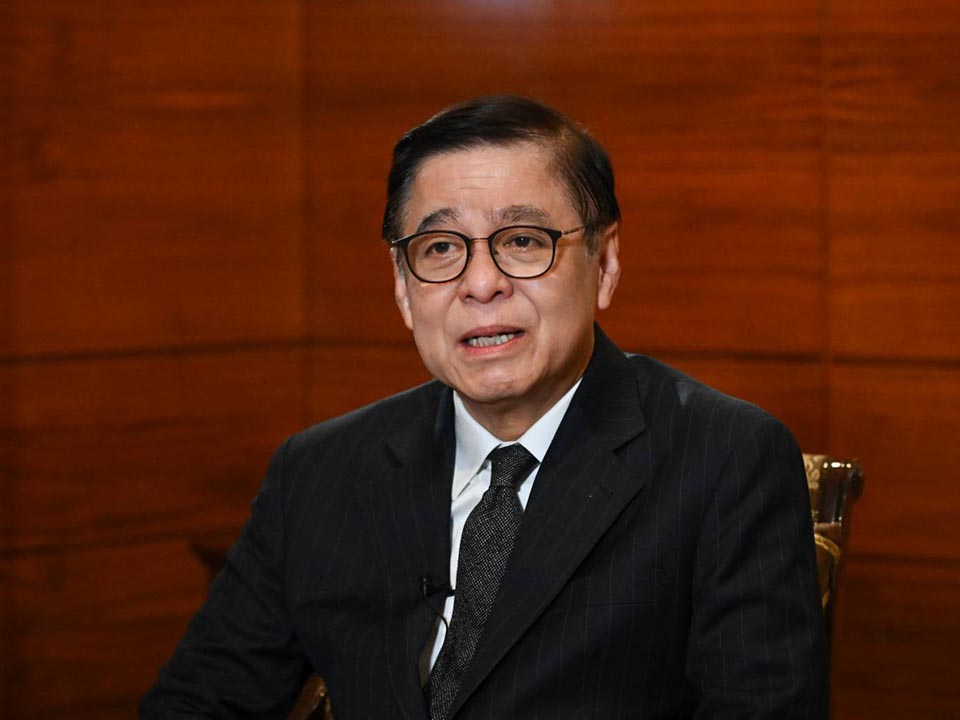
Deputy Prime Minister and Foreign Minister Sihasak Phuangketkeow said the ninth meeting of the Thai-Russian Joint Commission on Bilateral Cooperation marked an important step in expanding economic ties between the two countries. He said bilateral trade currently stands at about US$1.7 billion, a level he considers too low given the economic potential of both countries. Agricultural trade was among the key issues discussed, with Thailand seeking to expand agricultural exports to Russia toward a potential value of US$500 million if trade barriers can be reduced.
Russia, meanwhile, wants to increase exports of meat and pork to Thailand but faces requirements involving inspections of production facilities. Agriculture authorities from both countries are expected to work toward reciprocal factory inspections to remove those obstacles. Sihasak also highlighted potential payment difficulties linked to international sanctions against Russia. While some Russian products, including food, are not subject to sanctions, payment channels require careful examination to ensure transactions comply with applicable rules. He said central banks in Thailand and Russia would need to continue discussions on legitimate payment mechanisms that could reduce obstacles to trade and investment.
Thailand-Russia FTA Push
Thailand is also moving to advance negotiations for a Thai-Eurasian Economic Union (EAEU) Free Trade Agreement, which could connect Thailand with a market representing more than 180 million people and a combined GDP of about US$1.9 trillion. Sihasak said Thailand needs to pursue both bilateral and regional trade agreements amid growing trade barriers and uncertainty surrounding the global trading system.
Thailand is also negotiating an FTA with the European Union, with the government hoping to complete the agreement this year. During talks with Russian Foreign Minister Sergey Lavrov, both sides discussed accelerating several agreements that remain pending, including investment protection, intellectual property protection and defense industry cooperation.
Dawei Port Could Open New Trade Route
Thailand and Russia also discussed investment opportunities in major infrastructure projects, including Dawei Port in Myanmar. Sihasak said Russian interest in the project could create another route for Thai imports and exports, reducing dependence on existing maritime routes through the Strait of Malacca. Dawei is roughly 200 kilometers from Thailand’s Laem Chabang Port and could eventually be connected through road and rail networks, potentially creating another logistics corridor for Thai businesses. He said Thai private companies could have an interest in participating in the development of the project.
Rail and Digital Cooperation
Thailand is also examining Russian railway technology following a recent visit by Deputy Prime Minister and Transport Minister Phiphat Ratchakitprakarn, who studied Russia’s rail systems for passenger and freight transport.
Sihasak said Russian rail technology could offer cost advantages compared with some European systems and could be relevant to Thailand’s efforts to upgrade its rail network and strengthen its position as a regional connectivity hub. Cybersecurity and digital technology are another potential area of cooperation. Sihasak said Digital Economy and Society Minister Chaichanok Chidchob is planning a visit to Russia for talks on digital and cybersecurity cooperation.
ASEAN and BRICS Role
Regional security was also discussed with Lavrov, including the situation in Myanmar. Sihasak said Russia wants ASEAN to maintain a constructive role in regional peace and security, while Thailand supports maintaining peace and economic dynamism across the Indo-Pacific. Thailand also intends to use the upcoming 2026 BRICS Summit in India to strengthen economic links with countries beyond its traditional partners, particularly in Africa.
Sihasak said the forum could give Thailand an opportunity to engage with countries with significant economic potential and promote new trade and investment connections. He added that Thailand wants greater participation in discussions shaping the international order, particularly to ensure developing countries have a stronger voice. The Thai foreign minister described the Moscow visit as successful, noting that the two countries had agreed to hold the next Joint Commission meeting in Thailand next year, restoring a regular mechanism for advancing bilateral cooperation. (TNA)