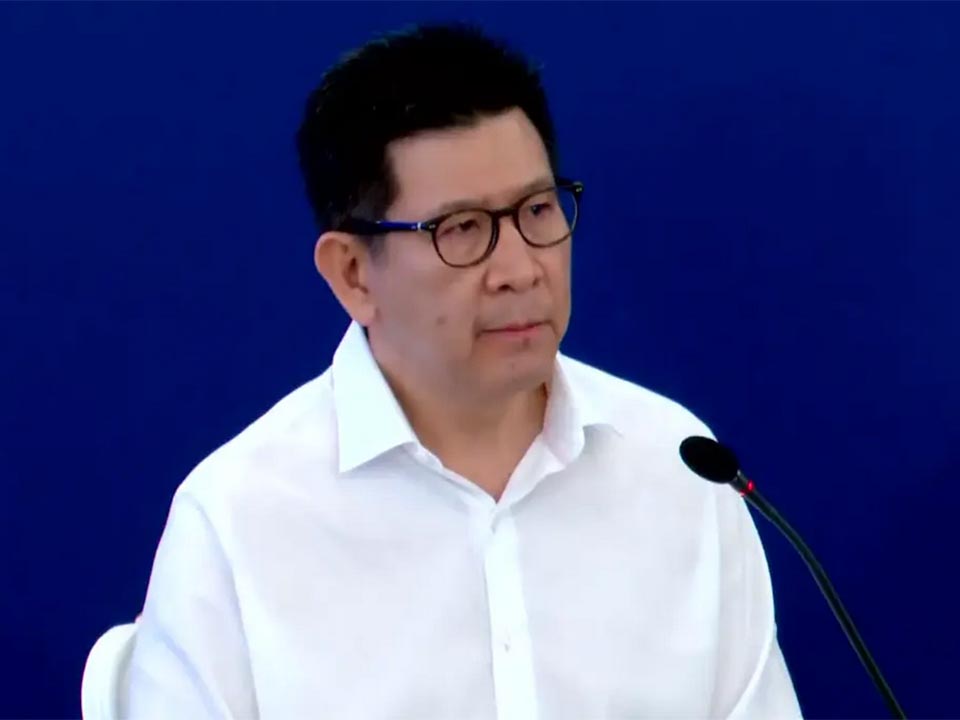
BANGKOK, Thailand – Deputy Prime Minister and Minister of Finance Ekniti Nitithanprapas presented the government’s strategy for addressing the ongoing Middle East energy crisis at the “Meet the Press” forum on March 28, 2026. He stated that the administration is focused on reducing living costs through the Oil Fuel Fund and maintaining fiscal discipline to avoid an economic collapse similar to the 1997 financial crisis.

Minister Ekniti identified the main global risk as the possible closure of the Strait of Hormuz, a key maritime route for one-fifth of the world’s crude oil. The government is using the Oil Fuel Fund to stabilize domestic prices and delay financial pressure on citizens. Despite the fund’s current deficit, the Minister confirmed that its management will remain prudent and aligned with market conditions to protect international reserves.
To support long-term fiscal stability, the government will gradually reduce subsidies as needed. At the same time, the Prime Minister has directed all state agencies to implement cost-saving measures, such as canceling non-essential overseas study tours and encouraging Work-from-Home initiatives to lower national energy use.
For vulnerable groups, the Minister announced that the State Welfare Committee will meet on Monday, March 30, 2026. The meeting will focus on making the best use of the limited budget to provide targeted support to state welfare cardholders most affected by the crisis.
The Ministry of Finance and the Ministry of Transport are coordinating to manage funds and prevent sharp increases in logistics and transport costs. Minister Ekniti emphasized that the Oil Fuel Fund is just one part of a broader strategy to allocate limited resources fairly across all sectors. (NNT)