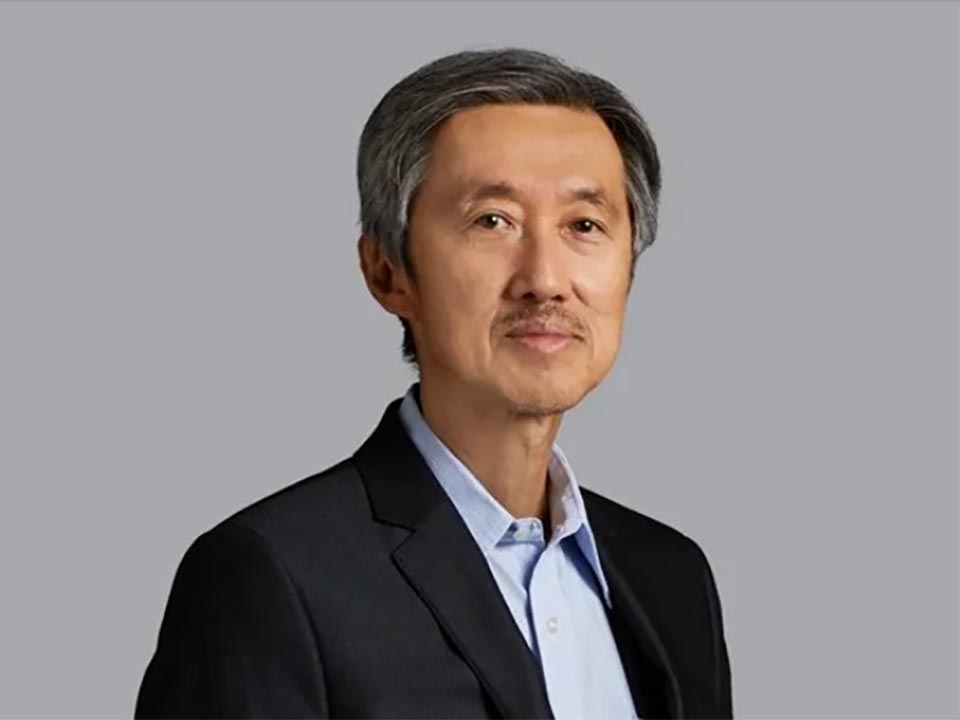
BANGKOK, Thailand – Thailand is failing to fully capitalize on global supply chain shifts because of structural weaknesses and political instability that disrupt economic reforms, Central Group Chairman Dr Suthichai Chirathivat said at a seminar in Bangkok.
Speaking at the Thailand Special Seminar: “Bangkok 1991–2026: Thailand’s Path to Resilient, Inclusive Growth” at the Queen Sirikit National Convention Center, Suthichai outlined lessons from 35 years of economic development and called for stronger institutions, policy continuity and industrial upgrading. He said Thailand had three key priorities: deeper integration with the global economy, greater adaptability and stronger institutional capacity.
ASEAN demonstrated how regional cooperation in trade, investment and innovation could drive growth despite global fragmentation and uncertainty. The region attracted approximately US$243 billion in foreign direct investment, equivalent to around 15% of global inflows, he said.
However, Thailand had not fully benefited from the restructuring of global supply chains because of domestic structural constraints. Malaysia, Singapore and Vietnam had moved more quickly to capture new investment opportunities.
Suthichai said Thailand could no longer rely on traditional manufacturing alone. It needed to increase value across both industry and services, particularly by transforming its automotive sector from internal combustion engines to electric vehicles and batteries. He also highlighted opportunities in electronics, software, artificial intelligence and digital industries, stressing the need to equip younger workers and entrepreneurs with access to technology, financing and larger markets.
The transition to a green economy offered another opportunity for job creation. An Asian Development Bank study cited at the seminar estimated that the region could generate up to 30 million jobs by 2030 through the green transition. But Suthichai warned that these opportunities depended on strong institutions, good governance and consistent policies.
Frequent political changes in Thailand had disrupted the continuity of economic reform programs, undermining efforts to improve productivity and competitiveness. Even well-designed development strategies would struggle to deliver lasting results without sustained implementation, he said.
The discussion highlighted a central challenge for Thailand: turning global investment opportunities into long-term economic gains while overcoming domestic barriers that have held back productivity and competitiveness.