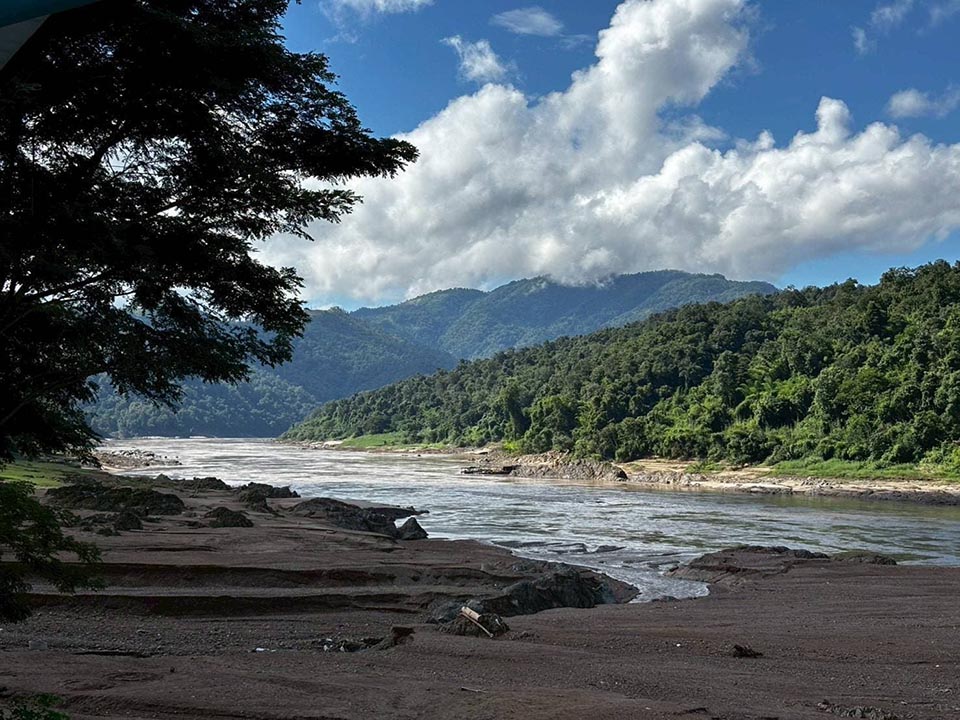
BANGKOK, Thailand – The Pollution Control Department (PCD) has completed initial on-site water testing at ten locations in Mae Hong Son province following public concerns over possible arsenic contamination in the Salween River. Arsenic was detected at five sites but remained within the national safety standard of 0.01 milligrams per liter. The remaining five samples are still being verified. Officials have briefed residents on the findings and will collect new water and sediment samples for laboratory testing next week.
The inspections were carried out under the direction of Prime Minister Anutin Charnvirakul and Deputy Prime Minister Suchart Chomklin. The PCD, along with the Department of Water Resources and the Department of Groundwater Resources, was tasked with assessing water quality and updating residents in areas near the river. Authorities have also begun surveying for alternative water sources to ensure safe domestic water supplies if contamination levels rise.
Field test results showed all current arsenic readings fall within safe limits. Sample locations included Mae Sam Laep Village Pier and sites along both the Salween and Moei Rivers. One site showed no trace of arsenic. Officials attributed the lower readings compared to earlier tests by Chiang Mai University to seasonal differences in river conditions. Higher water levels and sediment from tributaries during September had likely influenced earlier findings.
To provide a clearer assessment, laboratory tests will soon be conducted to measure arsenic and other heavy metals in both water and sediment. The Mae Hong Son Provincial Fisheries Office has also collected five fish species for contamination testing. Results will help determine whether there are risks to food safety and if further action is needed.
In addition, the Ministry of Agriculture and Cooperatives will test locally grown crops, most of which are planted seasonally as river levels drop. Results will be shared with the public once available. Authorities will continue monitoring the area, and additional measures will be taken based on updated findings to protect community health. (NNT)