

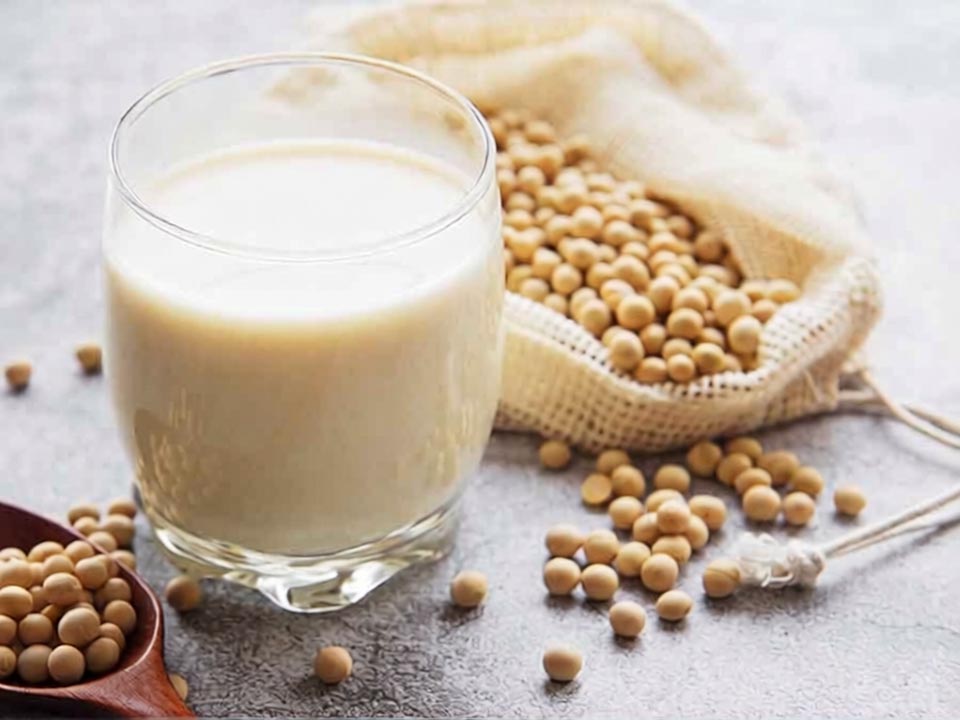
BANGKOK, Thailand – Soy milk is a popular breakfast drink in Thailand, often served alongside Chinese doughnuts, and provides plant-based protein and other nutrients. While it can form part of a balanced diet, nutrition experts distinguish the benefits of ordinary soy foods from claims that excessive consumption causes serious diseases.
Soy milk made from soybeans contains protein and unsaturated fats, while its nutritional content varies depending on how it is prepared and whether it is fortified. Research suggests that replacing some animal protein with soy protein may modestly lower cholesterol, and studies have also found potential benefits for blood pressure.
However, not all soy milk is the same. Sweetened varieties can contain substantial amounts of added sugar, so choosing an unsweetened or less-sweet option is a practical way to limit sugar intake. Consumers should also check labels for added calcium, vitamin D and other nutrients, particularly when using soy milk as an alternative to dairy products.
Does soy milk increase breast cancer risk?
Claims that soy milk causes breast cancer are not supported by current evidence on ordinary soy foods. Soy contains isoflavones, plant compounds that can interact with the body’s oestrogen receptors, but they do not act exactly like the body’s own oestrogen.
Mayo Clinic reports that eating soy foods does not increase breast cancer risk, while the American Cancer Society says research has found no increased risk from soy foods, including among women at higher risk. However, evidence about concentrated soy or isoflavone supplements is less clear, and supplements should not be treated as equivalent to everyday foods.
What about thyroid health?
Soy foods may affect how the body absorbs levothyroxine, a medicine commonly prescribed for an underactive thyroid. People taking the medication should ask their doctor or pharmacist about timing and consistent use. This is different from saying that ordinary soy milk causes thyroid disease in otherwise healthy people.
How to enjoy soy milk sensibly
For most people, soy milk can be included as part of a varied diet. A few practical points can help:
- Choose unsweetened or less-sweet varieties to limit added sugar.
- Check the nutrition label for protein, added sugar and fortification.
- Vary protein sources rather than relying on a single food for every meal.
- If taking thyroid medication or managing a specific medical condition, seek individual advice from a healthcare professional.
- Treat concentrated soy supplements differently from ordinary soy foods, particularly when considering them for cancer prevention or treatment.
There is no established rule that people must stop drinking soy milk after six months. Available evidence supports consuming ordinary soy foods in moderation as part of a balanced diet, rather than avoiding them because of unsubstantiated disease warnings.