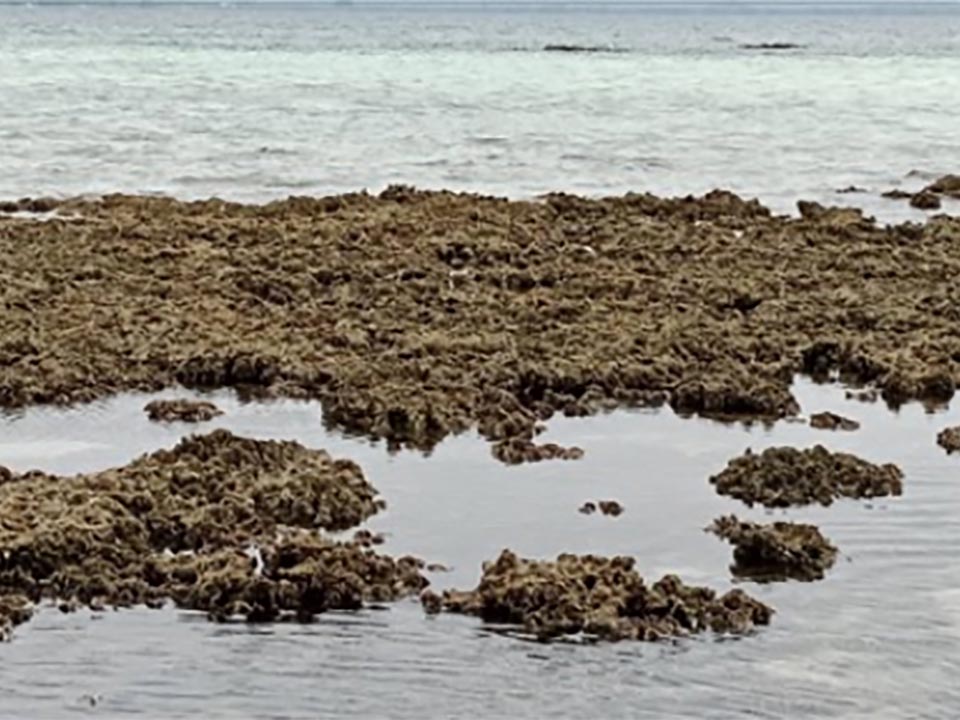
PRACHUAP KHIRI KHAN, Thailand – A rare natural spectacle has transformed Koh Talu in Bang Saphan Noi district, as the lowest sea level of the year exposed wide areas of shallow coral reefs normally hidden beneath the water. The unusual sight appeared between July 13–16, when tidal levels dropped to their lowest point at around 10 a.m. before gradually rising again from about 11 a.m., according to tide information from the Hydrographic Department of the Royal Thai Navy.
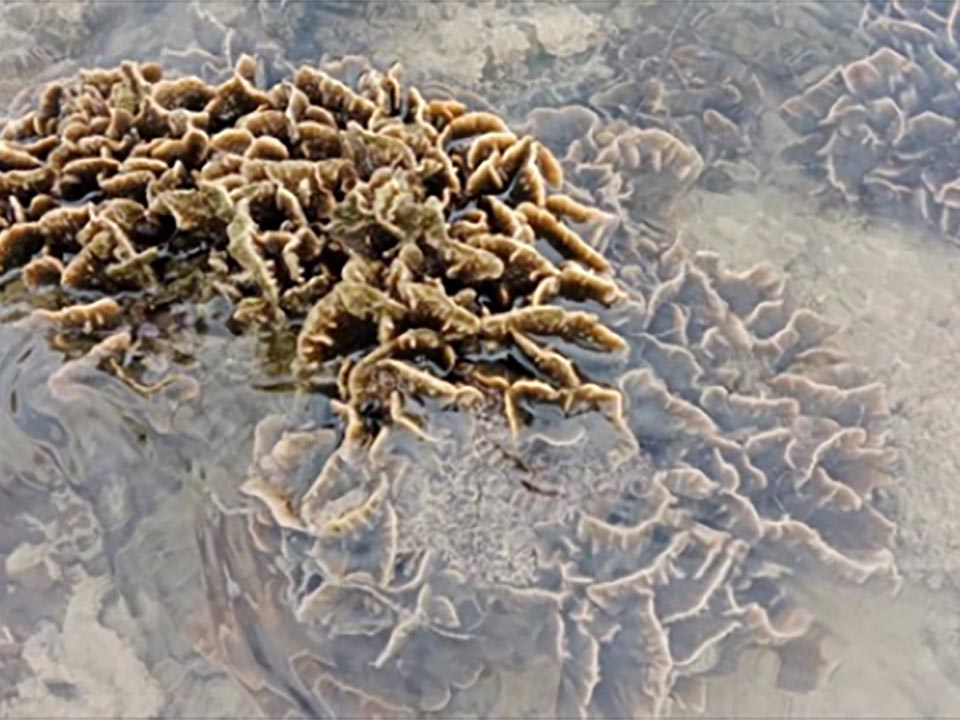
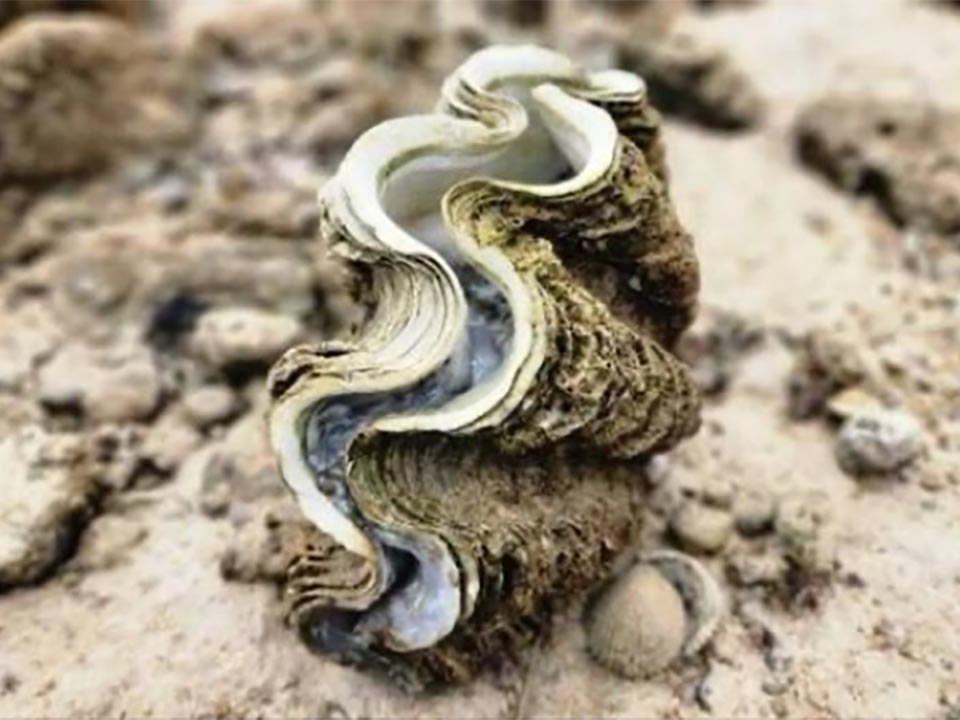
The exposed areas around Ao Muk and Ao Yai bays revealed a variety of shallow-water marine life, including brain coral, cauliflower coral, table coral, mushroom coral, sea anemones, giant clams, sea urchins and sea cucumbers.
The rare event allowed visitors to see parts of the underwater ecosystem from above the surface, creating spectacular views that occur only for a few days each year. However, local resorts and diving operators have agreed not to bring tourists into areas where coral has emerged above the water in order to prevent damage to the fragile marine environment.
The Siam Marine Resource Restoration Foundation has recorded images and collected information about the exposed reef system, while coordinating with the Department of Marine and Coastal Resources.
Officials said the phenomenon occurs naturally every year and that this year’s moderate weather conditions helped reduce stress on the exposed coral. Authorities have asked operators to temporarily suspend diving activities during the lowest tides to protect both marine resources and visitor safety. The sea level is expected to remain unusually low for around two more days before returning to normal conditions.