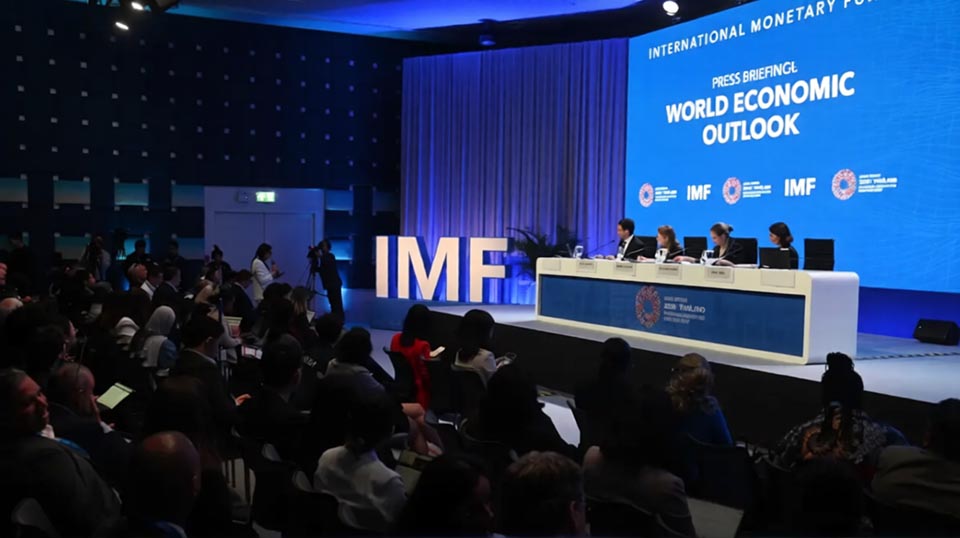
BANGKOK, Thailand – The global economy is expected to grow by more than 3% in real terms this year, supported by investment in artificial intelligence, but the International Monetary Fund (IMF) has warned that prolonged conflict, energy shocks and rising public debt threaten the outlook.
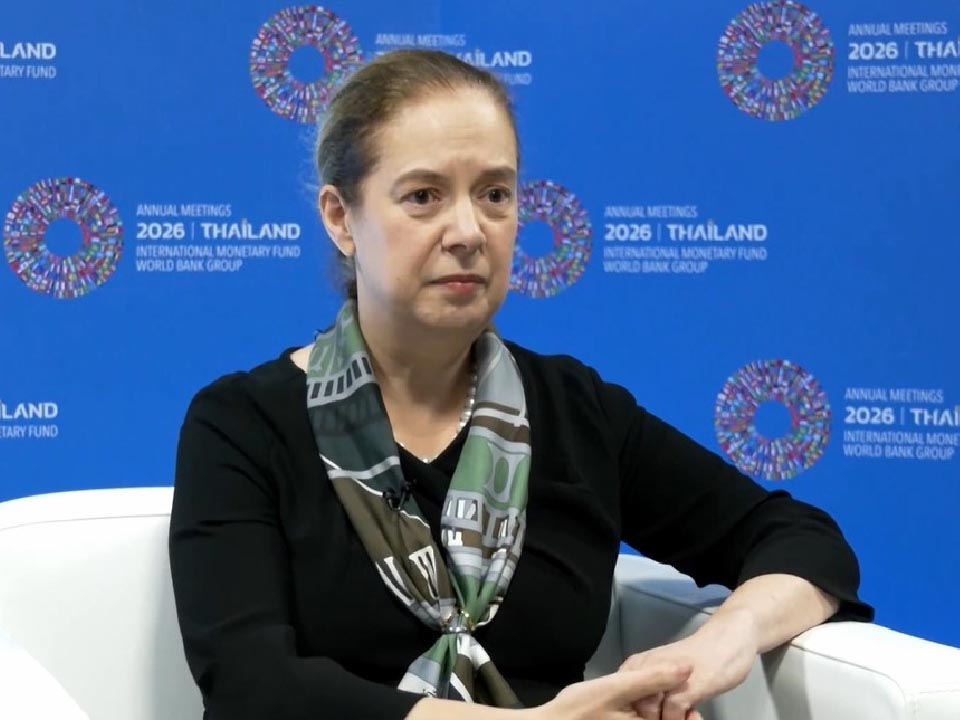
Speaking in Bangkok on October 13, IMF Deputy Director of Research Petya Koeva Brooks said AI investment could help offset the economic impact of the energy crisis caused by the prolonged conflict in the Middle East.
However, she cautioned that the global economy remained vulnerable to stagnation and that not all countries would benefit equally from AI development. Oil prices had climbed to US$104.50 a barrel following an attack on an airport in Saudi Arabia, adding to concerns about energy costs. The release of strategic oil reserves and businesses adapting to changing conditions could help cushion the impact, but risks remained. The IMF warned that mounting public debt could push borrowing costs sharply higher, placing additional pressure on governments and their economies.
Koeva Brooks said governments should begin restoring fiscal stability and establish sustainable plans to manage public finances, helping strengthen their ability to withstand future economic shocks.
The warning came as global financial leaders gathered in Bangkok for the 2026 IMF-World Bank Group Annual Meetings, amid concerns over geopolitical tensions, energy security and the growing economic consequences of technological change. (TNA)