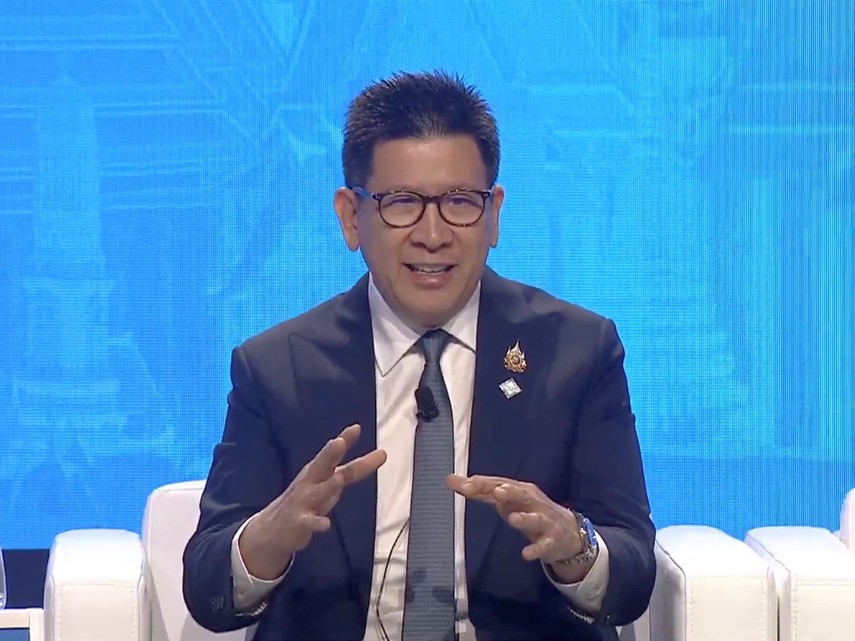
BANGKOK, Thailand – Deputy Prime Minister and Finance Minister Ekniti Nitithanprapas has summarized Thailand’s long-term economic growth strategy, focusing on workforce development, higher productivity, and greater participation by small and medium-sized enterprises (SMEs) in global supply chains. Speaking at the Bangkok 1991–2026: Thailand’s Path to Resilient, Inclusive Growth seminar, Ekniti reviewed the country’s economic transformation and the structural challenges shaping its future.
Ekniti recalled how global currency realignments in the 1980s encouraged Japanese manufacturers to relocate production across Asia, helping Thailand attract foreign direct investment and develop into a regional manufacturing hub. The Eastern Seaboard in Rayong became a major industrial center, but the 1997 Asian financial crisis exposed the risks of rapid expansion without adequate financial safeguards. Since then, Thailand has placed greater priority on fiscal discipline, banking stability, and sound economic management.
As geopolitical shifts create new investment opportunities, Thailand faces a different set of challenges, including an aging population and shrinking workforce. Ekniti explained that attracting foreign capital alone will no longer be sufficient to sustain growth. Instead, the country must improve productivity, develop workforce capabilities, and ensure that investment delivers lasting benefits to local businesses and communities.
The deputy prime minister also called for closer integration of Thai SMEs into global supply chains through workforce reskilling, upskilling, and technology transfer. Comparing technological progress to a high-speed train, Ekniti stressed the importance of ensuring that workers and smaller businesses can benefit from new opportunities rather than being left behind. (NNT)