BANGKOK, Thailand – The Public Relations Office of the Ministry of Defense, on August 4, posted a reminder about Thailand’s assistance to Cambodians fleeing the Khmer Rouge regime during 1979–1980. The post described how Thailand opened its doors without hesitation to provide refuge to Cambodians escaping from the horrors of the Khmer Rouge.
In 1979, hundreds of thousands, even millions, of Cambodians fled the hellish conditions under the Khmer Rouge, crossing the border into Thailand in a state of exhaustion, starvation, and near death. Thailand was not just a neighboring country at that time — it became their last refuge. The Thai people opened their doors to shelter them.
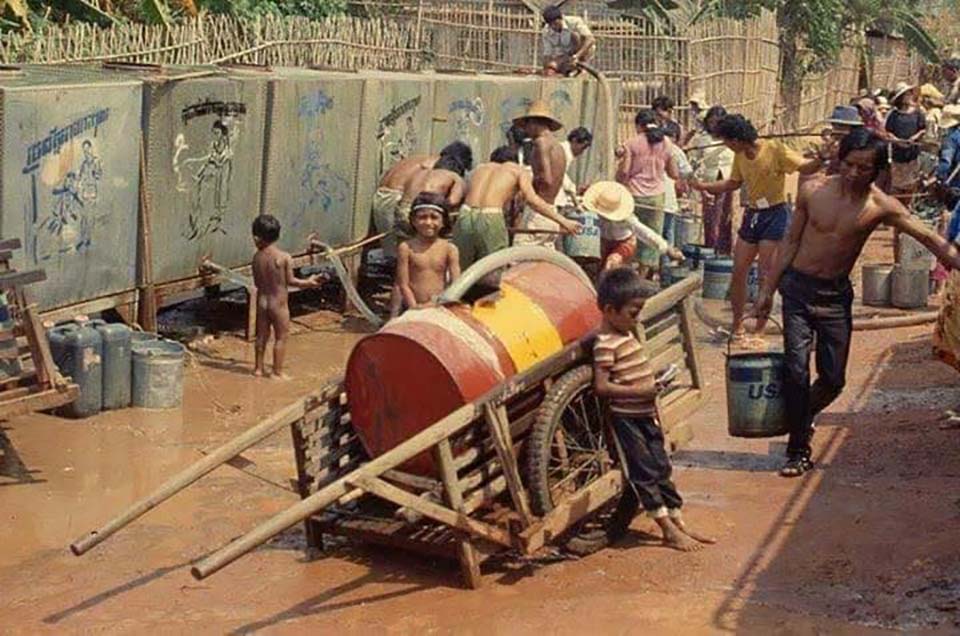
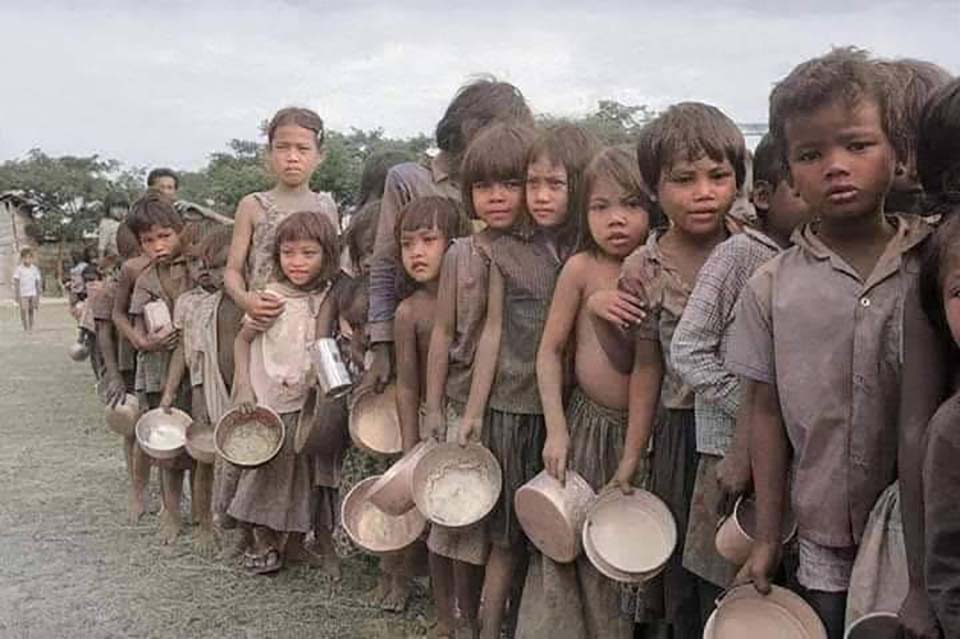
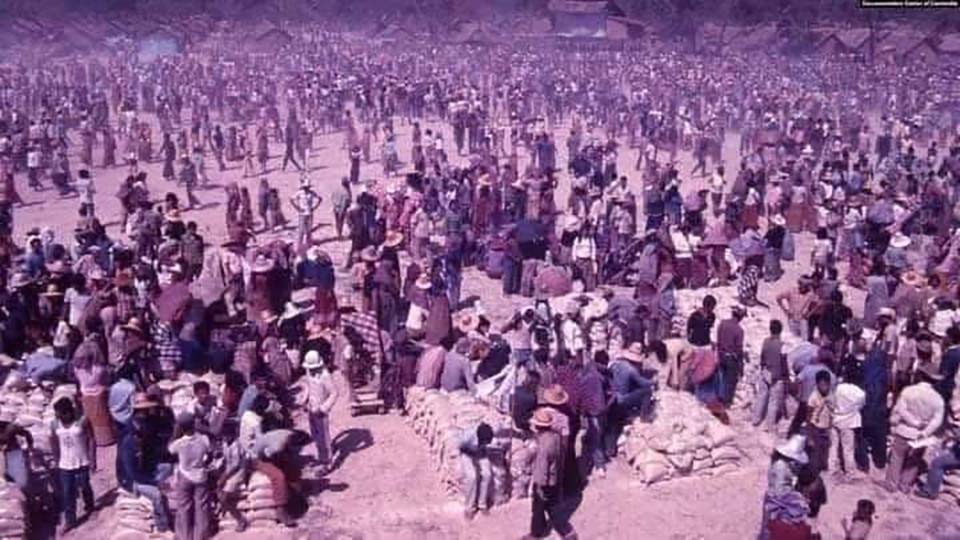
Thailand sent food aid, established refugee camps, and offered help not only through the government and NGOs but also through ordinary Thai villagers who shared even a single bite of food with the Cambodian refugees.
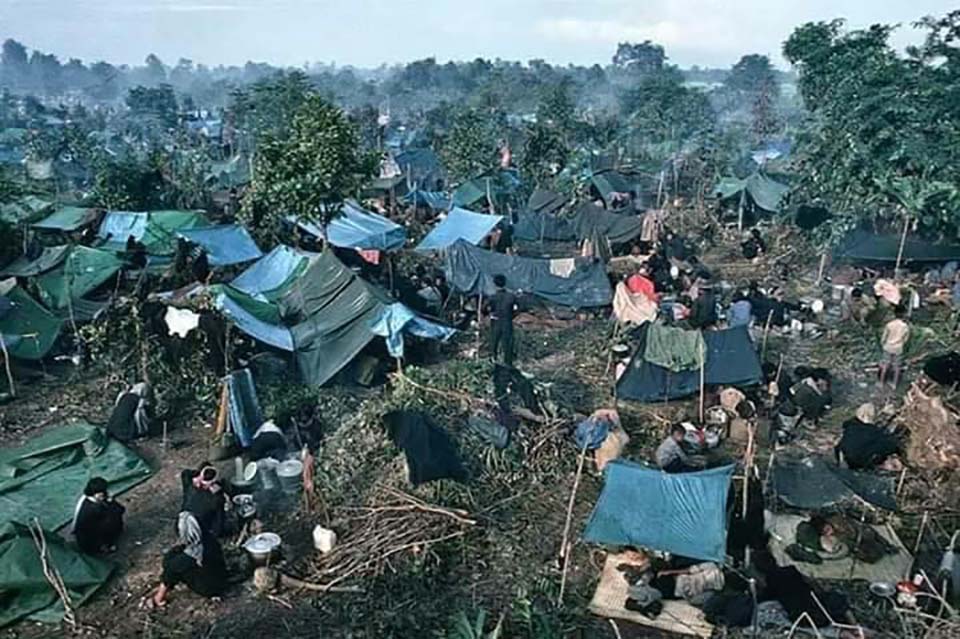
The unplanned mass exodus began in early 1979 and continued into the early 1980s. Estimates suggest that 600,000 to 800,000 Cambodians crossed into Thailand without any clear direction, with some walking hundreds of kilometers from central Cambodia. Many had no documents, no food, and no set destination, relying solely on the Thai eastern border, especially the areas around Aranyaprathet, Chong Chom, Kap Choeng, Prachinburi, and Sisaket.
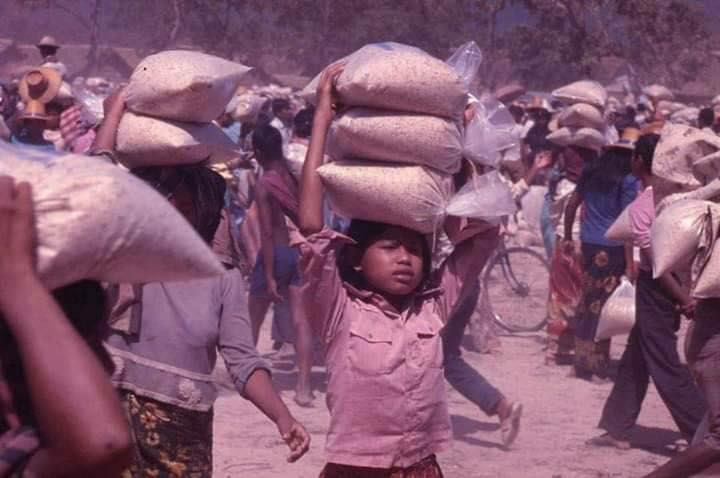
Thailand established several temporary refugee camps to accommodate these Cambodians fleeing the conflict. As a neighboring country, Thailand welcomed them with caution since the situation was still volatile, but still extended a helping hand without hesitation. Refugee camps such as Klong Leuk, Khao-I-Dang, Site Two, and Site B were set up.
Many arrived in Thailand in near-naked conditions but returned later in better health and able to stand on their own again. Thousands of Cambodian children grew up in Thai refugee camps—some received education from Thai teachers, others survived diseases like tuberculosis due to Thai medical care. Some families started new lives in Thailand before eventually relocating to Canada, the United States, or returning to Cambodia.
Yet, the post laments, just a few decades later, Cambodia has seemingly forgotten all these sacrifices and support offered by Thailand. (TNA)