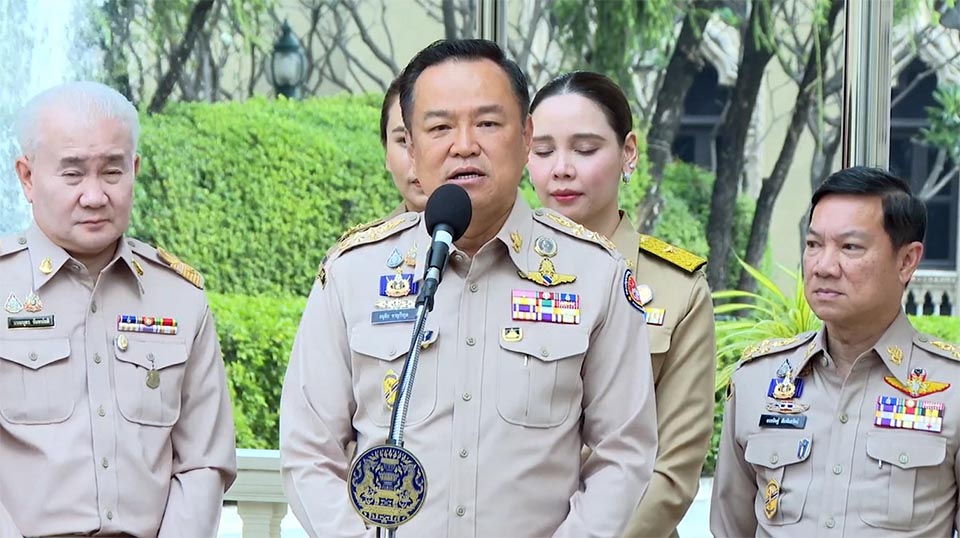
BANGKOK, Thailand – Thai Prime Minister Anutin Charnvirakul on Tuesday dismissed concerns that tensions along the Thai-Cambodian border could disrupt the upcoming general election, as major political parties launched high-stakes campaign blitzes across the country.
Speaking in his dual capacity as Prime Minister and Interior Minister, Anutin said he had received briefings from army chiefs confirming the situation remains stable. “The military has cleared the air and is maintaining a strict presence. Citizens should remain confident; there are no irregular movements near the border,” Anutin told reporters.
The Prime Minister, who also leads the Bhumjaithai Party, expressed confidence in his party’s prospects, citing positive public feedback for its policies.
The premier’s comments come as the Pheu Thai Party escalated its outreach across the northeast, a traditional stronghold. Prime ministerial candidate Yodchanan Wongsawat campaigned in Chaiyaphum and Nakhon Ratchasima before making a symbolic push into Buriram—the political bastion of the rival Bhumjaithai Party.
Despite trailing in some recent polls, Yoschanan remained optimistic. He pledged to revitalize the economy through the party’s stimulus policy, even as some former Pheu Thai incumbents defect to rival camps.
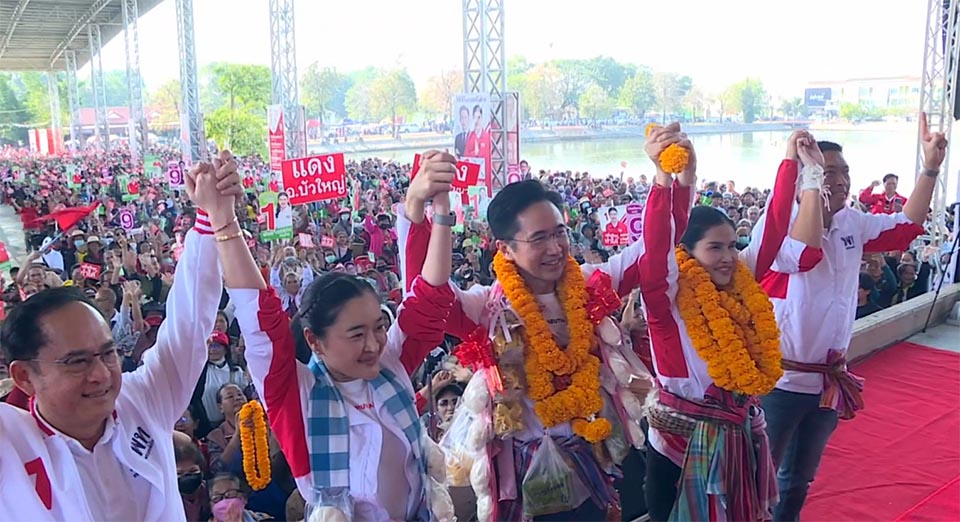
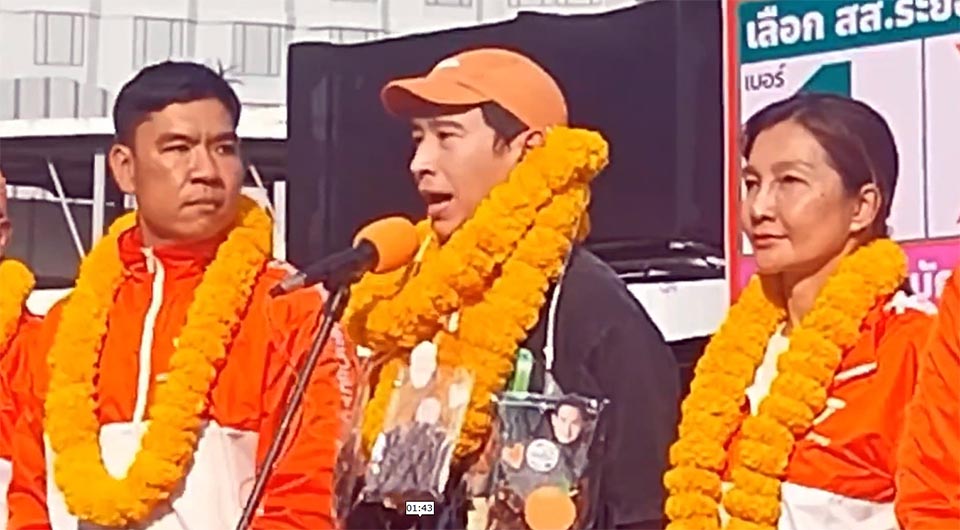
Meanwhile, in the eastern province of Rayong, popular figure Pita Limjaroenrat—acting as a campaign assistant for the People’s Party—addressed large crowds despite the sweltering heat. Pita expressed confidence that the progressive movement would retain all five seats in the industrial hub.
As the election enters its final stretch, the flurry of activity underscores a deeply contested landscape where security concerns, regional loyalties, and economic survival remain the primary drivers for voters.
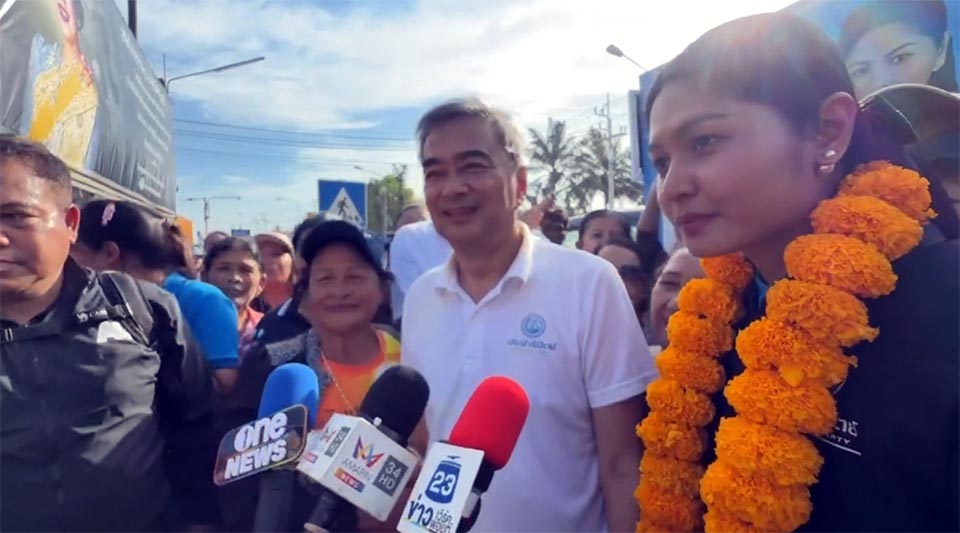
In the south, former Prime Minister Abhisit Vejjajiva, leader of the Democrat Party, spearheaded a high-energy campaign through Chumphon and Surat Thani. Abhisit criticized the current political climate for focusing on “vested interests and corruption,” vowing to “restart the heart of the economy” and restore integrity to Thai politics.
Addressing the party’s chances in the final stretch, Abhisit cited the deep-rooted “bonds of affection” between the Democrats and southern voters. “The atmosphere on the ground shows a connection that hasn’t faded. I am confident they will give us their full support to reclaim our seats,” he said. (TNA)