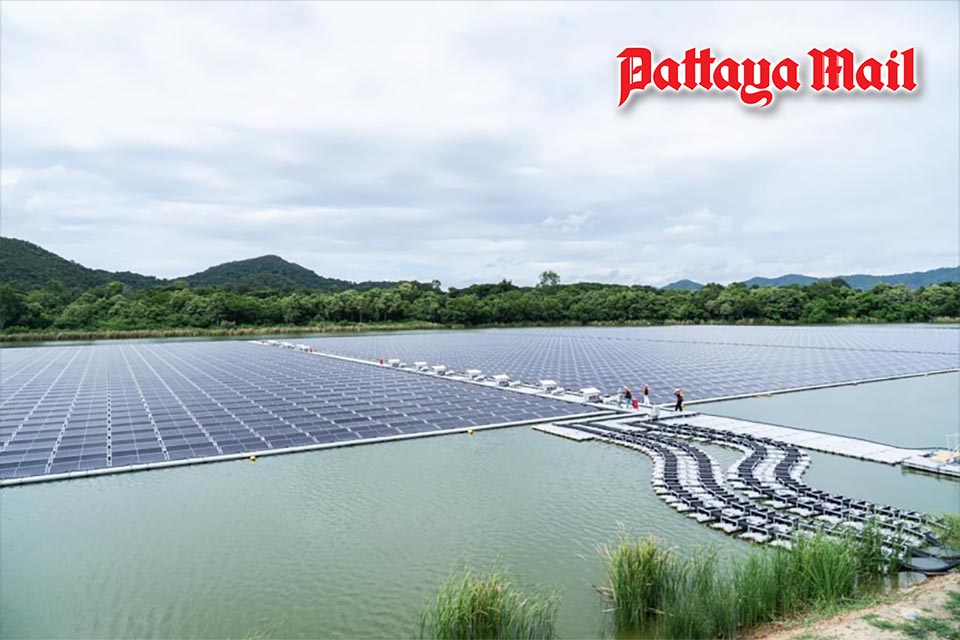
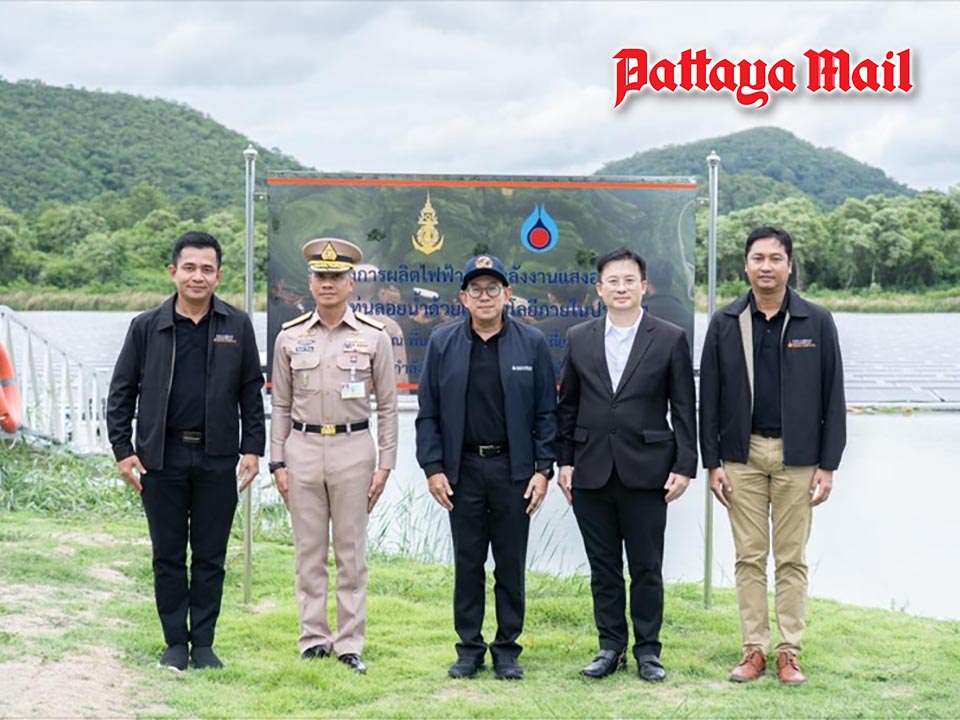
SATTAHIP, Thailand – Thailand is studying new models of self-generated electricity to prepare for major changes in the country’s power structure, with the upcoming PDP2026 power development plan expected to place greater emphasis on renewable energy and support the transition toward a low-carbon economy and the national Net Zero target by 2050. The Energy Policy and Planning Office (EPPO) led executives, officials and media representatives on a study visit to a floating solar power project at Nong Kai Tia Reservoir inside Sattahip Naval Base, Chonburi, examining how renewable electricity can be generated and consumed within a specific area.
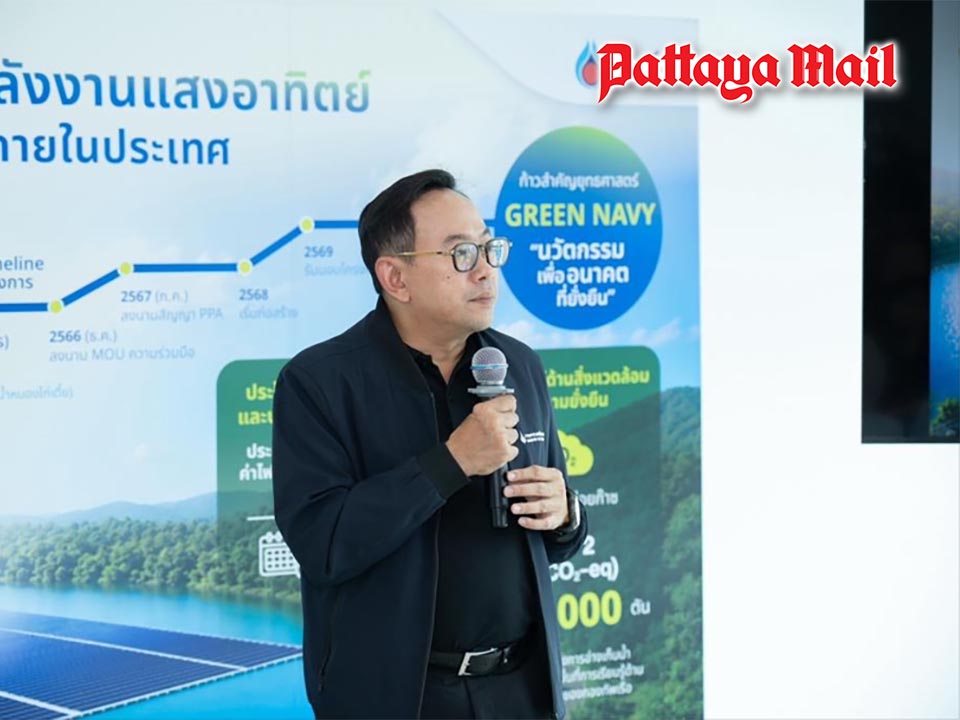
The project provides a practical example of how electricity consumption is changing, with agencies, businesses and households increasingly able to generate their own renewable power rather than relying entirely on electricity supplied through the central grid. Wattanapong Kurovat, Director of EPPO, said Thailand’s electricity system is undergoing changes driven by both technology and consumer behaviour. The growing ability of users to generate electricity for their own consumption is affecting forecasts for electricity demand, power-generation planning, transmission infrastructure and the appropriate level of reserve capacity.
He said PDP2026 would provide an important framework for developing a power system that remains secure and cost-efficient while increasing the share of clean energy.
“PDP2026 must consider how electricity generation and consumption patterns are changing. When users generate more electricity for themselves, their demand from the grid changes at different times,” Wattanapong said. “However, system security must also be taken into account, particularly during periods when renewable sources cannot generate sufficient electricity.” The Solar Floating project at Nong Kai Tia Reservoir is a joint initiative between the Royal Thai Navy and PTT Public Company Limited, with an installed capacity of 5.03 megawatts.
Electricity generated by the project will be supplied to the existing power system at Sattahip Naval Base, with generation managed to remain within the area’s electricity demand. The project is expected to begin supplying electricity in the first quarter of 2027 and could reduce electricity costs by an average of about 6.35 million baht per year. It is also expected to cut carbon dioxide emissions by approximately 82,000 tonnes of CO2 equivalent over the project’s lifetime.
Although the project is not operated under the Ministry of Energy, EPPO considers it a useful case study in the growing trend toward self-generation and local energy management. The project also demonstrates the relationship between self-generating users and the main electricity grid, while highlighting the need to develop smart grids and improve system flexibility to accommodate a growing share of renewable energy.
EPPO said these developments would need to be incorporated into future power planning to ensure that increased renewable generation does not compromise electricity reliability.
The study visit also included a briefing on marine turtle conservation and rehabilitation at the Royal Thai Navy Sea Turtle Conservation Centre. The delegation later joined a sea turtle release activity, linking the energy study with efforts to restore marine resources and maintain ecological balance.
The activities reflect a broader approach to sustainability, combining energy security and the expansion of clean power with environmental conservation.