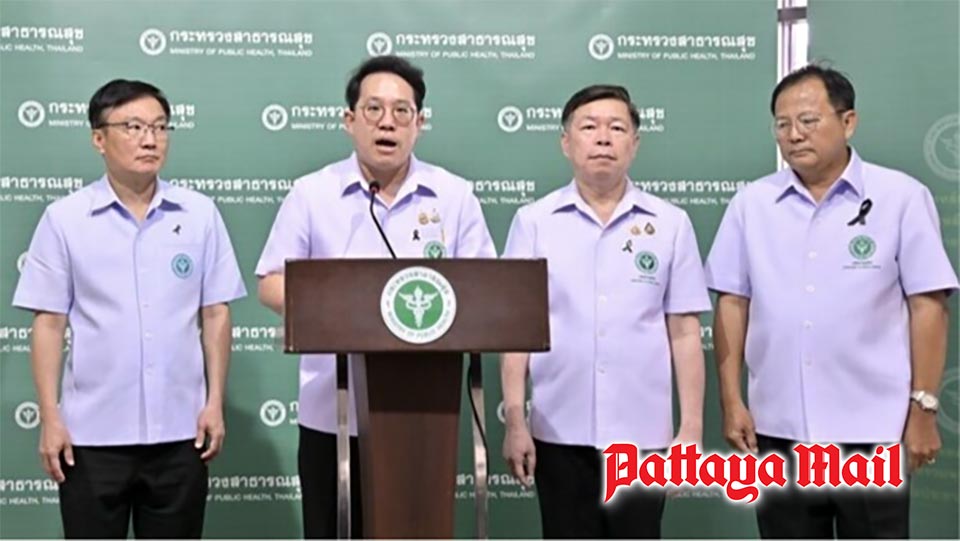
BANGKOK, Thailand – Thailand’s Alcohol Control Committee has reaffirmed that vending machines dispensing alcoholic beverages remain prohibited, while ordering further study into whether regulations should be expanded to better reflect changing retail and commercial patterns. Public Health Minister Pattana Promphat said after chairing the committee meeting on June 29, that officials reviewed ongoing alcohol control measures, including legal updates, provincial committee appointments, and training programs for volunteers assisting in prevention and rehabilitation efforts. One key issue discussed was the use of automated alcohol vending machines, with the committee reviewing existing regulations and considering whether subordinate laws should be adjusted to reflect modern retail formats.
The minister stressed that the ban on alcohol vending machines is not new, having been in place since 2018, following earlier concerns that such machines could make alcohol too easily accessible, particularly in sensitive areas such as schools and residential communities. He clarified that the meeting did not introduce any new policy or relaxation of rules, but instead focused on reviewing definitions of retail types and evolving sales methods that have become more complex in recent years. Officials have been tasked with further studying store classifications, proximity to educational zones, and consumer accessibility in order to ensure regulations remain appropriate under current conditions. The committee also noted that vending machines present different risks compared to traditional bottle or can sales, as they allow immediate consumption and less control over drinking volume, increasing regulatory concerns. The issue is expected to be revisited within one to two months after further technical review by the committee’s secretariat.