PATTAYA, Thailand – Thailand’s Ministry of Tourism and Sports proudly announced that from January 1 to September 7, 2025, the country welcomed 22,387,817 foreign visitors, generating more than 1.037 trillion baht in spending. On paper, the numbers glitter with success: China (3.16 million arrivals), Malaysia (3.13 million), India (1.61 million), Russia (1.21 million), and South Korea (1.05 million) are the top five markets so far this year.
Even weekly figures look rosy. Between September 1–7 alone, 508,341 arrivals were recorded, averaging 72,620 tourists per day. Singaporeans surged into the top ranks, up a striking 47.27% thanks to school holidays, while Indian arrivals climbed nearly 30% during their long weekend break. The government remains optimistic, touting campaigns like “Amazing Thailand Grand Tourism and Sports Year 2025” and streamlined entry policies, such as scrapping the TM.6 form, to keep momentum strong.
But in Pattaya, where officials love to boast about booming arrivals, many long-term visitors and business owners are asking a different question: if so many tourists are coming, why isn’t the money flowing through the streets?
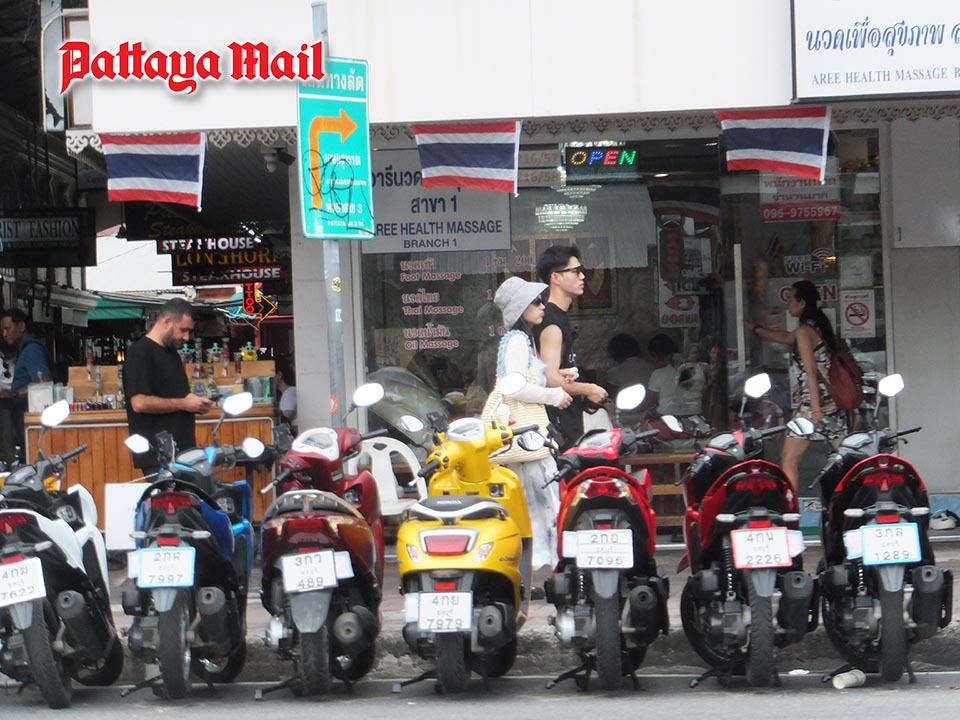
Bar owners complain that nightly takings are down compared to even last year, despite visible crowds. Restaurateurs grumble about diners choosing budget menus instead of premium offerings. Street vendors notice tourists taking photos but not pulling out their wallets. And landlords report that while occupancy looks decent, rental yields and spending on extras are disappointing.
The paradox is clear: tourist foot traffic does not equal local prosperity. The spending power of key growth markets — particularly from China, India, and Malaysia — is much lower than the golden years when Europeans and Americans dominated Pattaya’s tourism landscape. The reality is compounded by a stronger baht, rising local costs, and tighter foreign wallets, meaning that 22 million arrivals in 2025 may not bring the same economic impact as half that number a decade ago.
The government loves to count heads, but Pattaya needs more than statistics. Without policies that encourage quality tourism, fair pricing, and infrastructure upgrades to make visitors stay longer and spend more, the city risks becoming Thailand’s showcase for “crowds without cash.” Until then, Pattaya may remain busy, noisy, and full of tourists — but not truly prosperous.