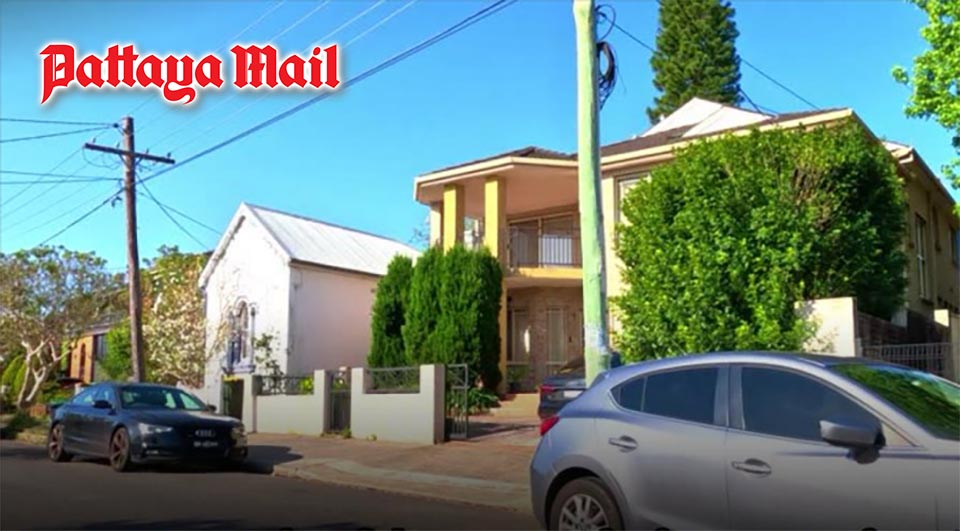
PATTAYA, Thailand – A legal explanation shared by well-known lawyer Kerdphol Kaewkird has triggered widespread debate online after he addressed liability in cases where objects fall from a house and damage vehicles parked outside. In a Facebook post, Kerdphol referred to Section 436 of the Thai Civil and Commercial Code, stating that a person occupying a building may be held responsible for damages caused when objects fall or are thrown from the premises and injure or damage others’ property. He explained that even if a vehicle is parked in front of a house, the homeowner or occupant may still be liable if the damage is caused by objects falling from the structure above. The post quickly went viral, drawing a large number of public comments and sparking discussion on the scope of legal responsibility and the rights of affected parties.
Many social media users questioned whether liability should still apply if a vehicle was voluntarily parked in front of another person’s home. Some argued that legal parking should not affect a victim’s right to compensation if the damage was clearly caused by falling objects. Others, however, suggested that liability could be reduced or shared if the vehicle was parked improperly or obstructing access, potentially leading to considerations of contributory negligence in court rulings. Some commenters emphasized that the key issue should not be where the car was parked, but rather who caused the damage. Others pointed out practical concerns, noting that vehicles parked in front of homes can sometimes obstruct access, maintenance, or daily activities, suggesting that parking behavior should also be considered in legal disputes.
Legal observers noted that such cases ultimately depend on the specific facts, including the location of the vehicle, whether the parking was lawful, and the conduct of both parties. Courts are expected to assess each case individually before determining liability and appropriate compensation.
The debate continues to gain traction online, highlighting broader public interest in everyday legal responsibilities and property rights in urban living situations.