BANGKOK, Thailand – Investor confidence for the next three months has reached a “very bullish” level, with investors watching foreign fund inflows and government economic stimulus measures for further support, while geopolitical tensions and U.S. monetary policy remain the main concerns.
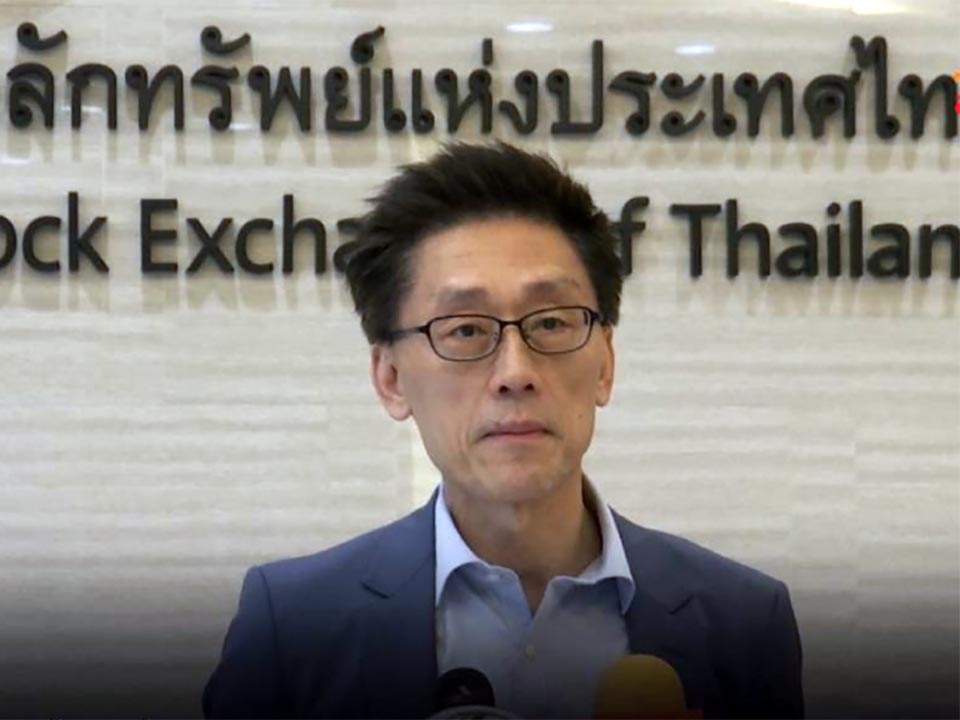
Paiboon Nalinthrangkurn, Chairman of the Federation of Thai Capital Market Organizations (FETCO), said on October 6 that the FETCO Investor Confidence Index stood at 148.72 in the September 2026 survey, placing overall sentiment in the “very bullish” category.
Foreign fund inflows were identified as the strongest factor supporting investor confidence, followed by government economic stimulus measures and the earnings of listed companies. The main factors weighing on confidence were international conflicts, the outlook for higher U.S. Federal Reserve interest rates and volatility in the baht.
Confidence among individual investors and domestic institutional investors remained in the “neutral” category. Confidence among securities company proprietary traders was “bullish”, while foreign investor confidence was “very bullish”. The electronics sector was considered the most attractive business sector, driven partly by investment in artificial intelligence and data centres. Real estate development was viewed as the least attractive sector.
The SET Index came under pressure in the second half of September from concerns over the Fed’s interest-rate direction, rising U.S. government bond yields, conflicts in the Middle East and the potential economic impact of flooding in Thailand. The index closed September at 1,559.01 points, down 2.27% from the previous month. Foreign investors were net sellers of 26.328 billion baht in September, although they remained net buyers of 24.856 billion baht on a year-to-date basis.
Paiboon said investors should continue watching the Fed’s monetary policy, including the possibility that interest rates could remain high for longer than expected or rise further. Other external factors include implementation of the U.S.-China trade agreement and tensions involving the United States and the Middle East, which could put pressure on energy prices and inflation.
Domestic factors include third-quarter earnings forecasts for listed companies, government stimulus measures, progress on Thailand-U.S. trade negotiations, investment promotion in technology and data centres, and the impact of flooding on economic activity and supply chains.
Paiboon said the current flooding situation was significantly less severe than the major floods of 2011 and should remain manageable. He said the late rainy season and available reservoir capacity should limit the impact on listed companies, although weaker consumer purchasing power could affect some businesses while companies involved in housing recovery could benefit. He also said recent foreign selling was not a major concern because it was occurring globally and largely reflected profit-taking, particularly in banking and electronics stocks.
Looking ahead to the fourth quarter, Paiboon said the Thai stock market remained on an upward trajectory, supported by expectations of 15–20% earnings growth among listed companies and greater domestic stability. He said foreign funds could return to Thailand and that the SET Index could reach 1,650–1,700 points. (TNA)