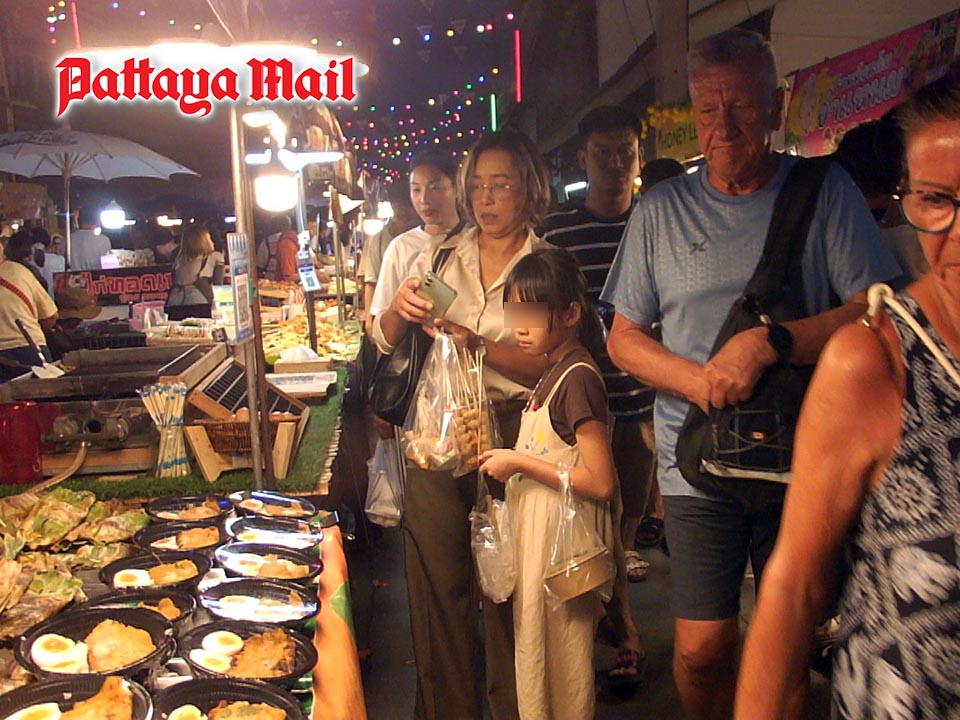
PATTAYA, Thailand – For many visitors, Pattaya’s biggest everyday pleasure has always been simple and affordable: a plate of rice and curry for a few baht, a quick noodle bowl on a street corner, or a late-night snack after the beach.
But that long-standing bargain may soon come under pressure.
Thai officials are warning that escalating conflict in the Middle East — and the resulting surge in global oil prices — could push up the cost of everyday meals across the country, a change that tourists in Pattaya may soon feel directly in their wallets.
Data released by Thailand’s Ministry of Commerce (Thailand) shows the country has actually been experiencing deflation for 11 consecutive months, with the Consumer Price Index falling 0.88% in February 2026 compared with the same period last year.
Lower fuel prices, electricity costs, and pork prices have helped keep inflation subdued, leaving Thailand with the lowest inflation rate among the ten ASEAN nations.
But the situation could quickly reverse.
According to Nanthapong Jiralerdpong, director of the Trade Policy and Strategy Office, the closure of the vital oil shipping route through the Strait of Hormuz amid the Middle East conflict could drive global crude prices sharply higher — and food prices may soon follow.
In a tourism city like Pattaya, energy prices influence far more than gasoline.
Fuel costs affect transporting ingredients, running restaurant kitchens, powering refrigerators, and shipping goods nationwide. When those costs rise, restaurant owners and street vendors often have little choice but to increase prices.
The ministry warns that ready-made meals and fast food, including Thailand’s staple rice-and-curry dishes, could see noticeable increases.
And once food prices climb, they rarely fall back — even if oil prices eventually drop.
Three possible price shock scenarios

Officials outlined three scenarios tied to global oil prices:
- Oil at $80 per barrel – Inflation could rise to 1–2%, assuming ready-made food prices increase about 10% nationwide.
- Oil at $100 per barrel – Inflation could reach 2–3%, with food prices climbing 10% nationwide and up to 20% in some areas.
- Oil at $120 per barrel – Inflation could rise above 3%, with some regions seeing food price increases of up to 50%.
For Pattaya’s tourism economy, those figures could quickly translate into something much more tangible: higher prices on the menus lining Beach Road and the city’s famous night markets.
Tourists already counting the baht
For decades, Pattaya has attracted visitors precisely because daily life here — from food to transportation — felt affordable compared with Western destinations.
But if the cost of basic meals begins to climb alongside energy prices, that perception could start to shift.
Many visitors already say they are watching their daily budgets more carefully, adjusting where they eat or how long they stay as living costs gradually rise.
In a city built on value and convenience, even a modest price increase can ripple through the entire tourism economy.
Officials at the Ministry of Commerce (Thailand) say they will monitor the situation closely, particularly the cost of electricity generation fuel, transportation, and public transport fares, which businesses often cite when raising prices.
Their concern is simple: once ready-made food prices increase, they rarely come down again.
For Pattaya’s visitors enjoying the sea breeze today, the warning is subtle but clear — the next global crisis may not close the beaches or the bars.
But it might make lunch a little more expensive.