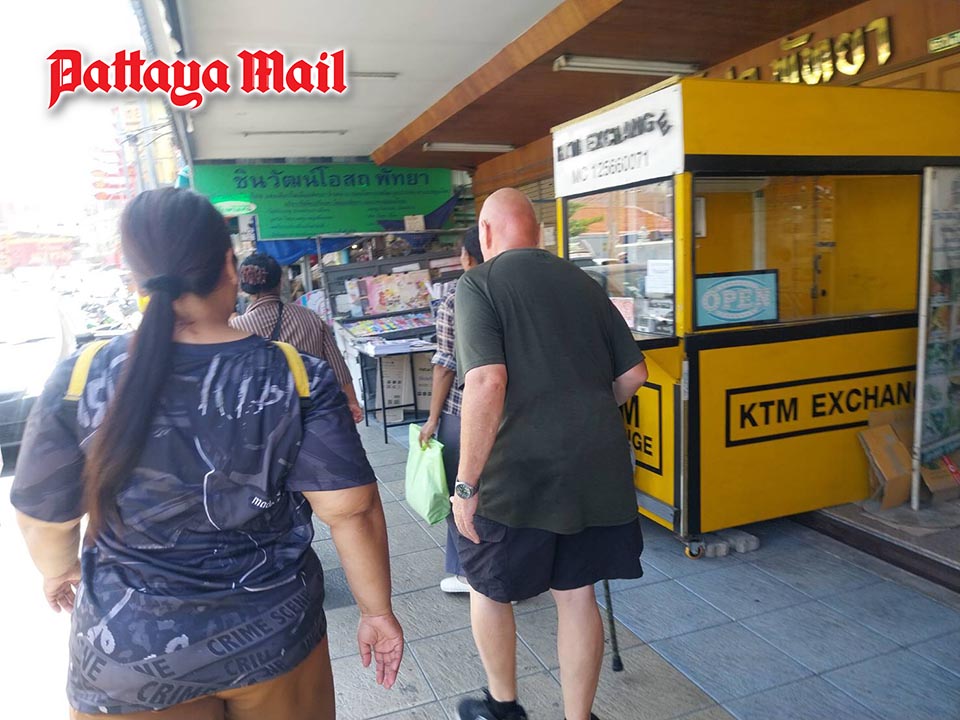
PATTAYA, Thailand – The Thai baht weakened in early Asian trading, briefly testing 31.25 against the U.S. dollar before stabilizing around 31.17–31.19 on March 2, compared to Friday’s close of 31.08. According to the Kasikorn Research Center, this week’s expected range sits between 31.15 and 31.35 baht per dollar.
The softer baht comes amid continued tension in the Middle East, which has strengthened the U.S. dollar as a safe-haven currency. Concerns over capital outflows from Thai financial markets and the possibility of sustained high global oil prices have also added pressure to the currency.
For Pattaya’s tourism sector, however, the exchange rate carries very real implications beyond financial headlines.
Every Baht Counts
For many foreign visitors, especially retirees and long-stay tourists, exchange rates directly shape daily spending decisions. A slightly weaker baht against the dollar or euro can stretch budgets further — making accommodation, dining, transport and entertainment more affordable.
In a city like Pattaya, where many visitors stay for weeks or even months, small currency shifts can significantly impact overall spending power.
A stronger dollar means American tourists may feel more comfortable extending their stays. European visitors, depending on euro performance, closely monitor fluctuations before finalizing travel budgets. For retirees living on fixed incomes, the baht’s movement can determine whether they dine out daily or cut back.
While geopolitical instability in the Middle East strengthens the dollar globally, it also raises concerns over oil prices. Higher energy costs can translate into more expensive airfares and transportation, potentially offsetting some currency advantages for travelers.
Still, in Pattaya’s streets and beachfront cafés, exchange rate conversations are common. Many long-term visitors track the baht closely, refreshing currency apps before exchanging money or transferring funds.
Expats often say that in times of global uncertainty, currency value becomes a quiet lifeline. When markets fluctuate and travel costs rise elsewhere, favorable exchange rates can make Thailand feel comparatively affordable.
The baht’s movement is influenced not only by global tensions but also by foreign fund flows, regional currency trends and key economic data releases from major economies including Japan, the Eurozone, the United Kingdom and the United States.
For Thailand’s tourism-driven cities, the ideal scenario is stability — not extreme volatility. Businesses prefer predictable exchange rates that allow travelers to plan confidently.
For now, Pattaya continues to welcome visitors who are carefully calculating budgets while enjoying the city’s attractions. In an environment where global headlines focus on conflict and economic uncertainty, the baht’s value quietly shapes decisions on how long tourists stay, how much they spend, and how comfortable they feel.
In Pattaya, as many visitors put it, every baht truly counts.