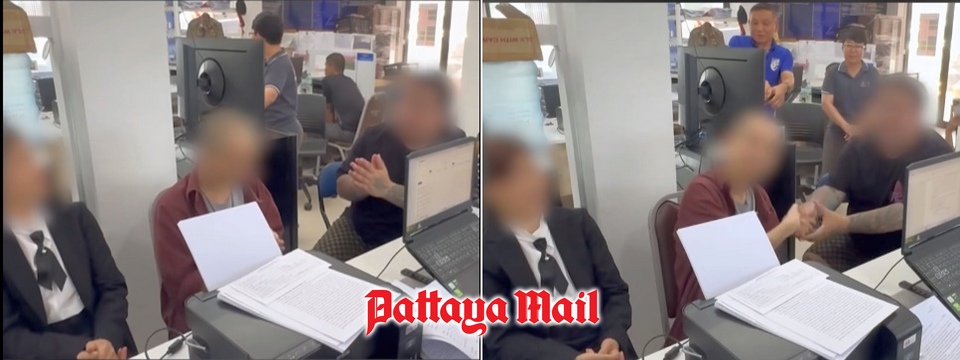
NONTHABURI, Thailand – A dispute between neighbors in Nonthaburi over a revving motorcycle and a barking dog ended peacefully, but the episode offers a useful reminder about how quickly ordinary neighborhood problems can become much bigger than they need to be. The disagreement reportedly began with complaints about motorcycle engine revving and a dog barking, with one neighbor becoming increasingly frustrated by the noise.
What followed was not simply a complaint between two households. The dispute spilled onto social media, where accusations and conflicting accounts attracted public attention. One of the neighbors later came forward to explain his side, saying he did not consider himself to be the person portrayed in the accusations and that he had not known the other party was unwell. That detail is important.
Noise that seems insignificant to one household can have a very different impact on someone who is elderly, unwell, working unusual hours or simply trying to rest. At the same time, neighbors cannot always know what is happening inside another person’s home. That is why communication matters. Rather than allowing frustration to build, the two sides eventually met, apologized to each other and shook hands. They agreed that if a problem occurs, they should speak directly and find a way to resolve it. It may sound simple, but that is precisely the point.
A barking dog, a motorcycle engine or another everyday noise does not have to become a neighborhood feud. Problems become harder to resolve when people stop talking to each other and begin talking about each other instead. Social media can also change the scale of a private disagreement almost instantly. Once accusations are posted publicly, strangers can become involved without knowing the full circumstances, while the people actually living next door still have to face one another afterwards. There is also a lesson here for both sides of a dispute.
Those making complaints deserve to be heard, particularly when noise is affecting their quality of life. Those being complained about also deserve an opportunity to explain their circumstances before conclusions are reached. Neither side needs to “win”. The better outcome is for both neighbors to understand what is causing the problem, agree on reasonable boundaries and know who to speak to when something goes wrong. The Nonthaburi dispute ultimately ended with a handshake and an apology.
That may be a small ending to a small neighborhood problem, but it is also a useful example: sometimes the most effective way to solve a dispute between neighbors is to stop the argument from becoming a public battle in the first place and simply say, “If there is a problem, please tell me.”