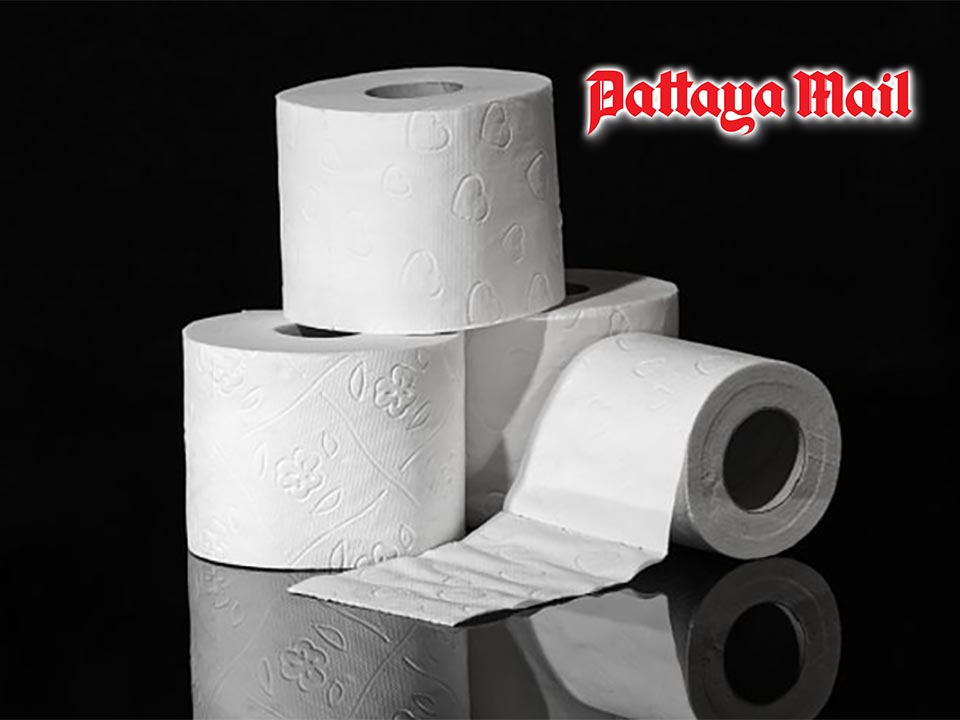
BANGKOK, Thailand – Toilet paper is an everyday household essential, but the raised patterns pressed into its surface serve more than a decorative purpose. Known as embossing, the manufacturing technique can help improve the structure, softness and performance of the paper.
Patterns such as flowers, animals and geometric shapes are often found on toilet paper, particularly products made from two or more layers. While the designs may look ornamental, embossing plays a practical role in how the layers fit together and how the paper feels during use.
- Helping multiple layers stay together
Many toilet paper products consist of two or more layers that need to remain joined during use. Embossing creates raised areas and contact points between the layers, helping them bond together and reducing the likelihood of separation.
This can make the paper easier to handle and help it retain its intended layered structure when pulled from the roll.
- Creating a softer, fuller feel
Embossing also changes the paper’s texture. The raised and recessed areas create small spaces between layers, adding bulk and helping give the paper a fuller, softer feel.
The effect depends on the paper’s fibres, thickness and manufacturing process, so embossed paper is not necessarily softer than every smooth alternative. However, the technique is commonly used to improve the tactile feel of multi-ply products.
- Helping the paper retain its structure
Toilet paper can be compressed during packaging, transport and storage. Embossed patterns add texture and structure to the sheet, which can help it retain some of its bulk and reduce the effects of compression.
The degree of protection depends on the design and manufacturing method, but embossing can contribute to the paper’s overall feel and structure by the time it reaches consumers.
Embossing can also affect absorbency
The raised surface changes the area and spaces available for liquid to contact the paper. Depending on the pattern and paper construction, this can influence how moisture spreads through the sheet and how effectively it is absorbed.
However, absorbency also depends on factors such as fibre composition, density and the number of layers. Embossing alone does not guarantee that one toilet paper product will absorb more liquid than another.
The next time you notice the patterns on toilet paper, remember that they are not necessarily just for appearance. Embossing is a manufacturing technique that can help determine how the paper’s layers hold together, how soft it feels and how it performs during everyday use.