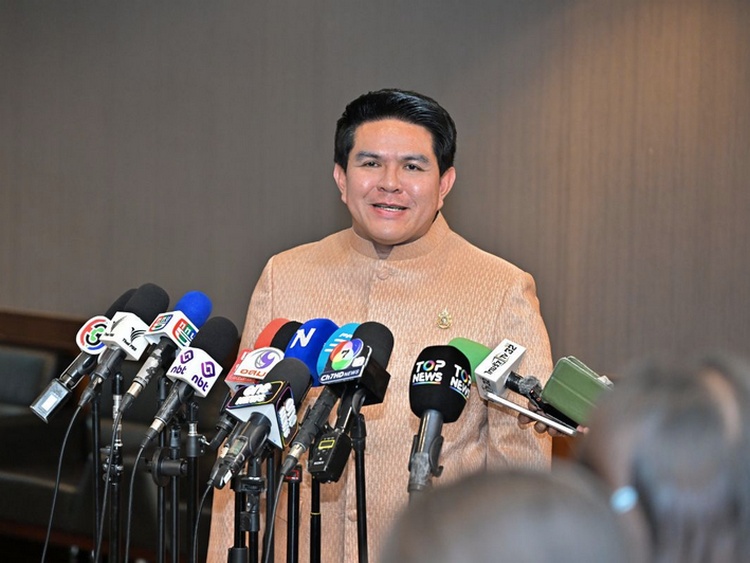
BANGKOK, Thailand – Thailand’s government is considering postponing the launch of the “Thai Travel Plus” domestic tourism scheme from October 1, 2026, to the low season beginning around April 2027, Tourism and Sports Minister Surasak Phancharoenworakul said.
The proposed change follows discussions at Cabinet, ministry and ministerial levels over when the B4-billion tourism stimulus program would have the greatest economic impact. Surasak said there was broad agreement that a domestic tourism stimulus program was needed, but differing views emerged over its timing. The preferred approach is to avoid spending heavily during the high season, from late 2026 into early 2027, when domestic and international travel is already expected to be strong and hotel occupancy is typically high.
Launching the scheme during the peak travel period could therefore provide less additional economic activity, while using the same budget during the low season could encourage travel when businesses need it more.
Under the original framework, Thai Travel Plus has a budget of about B4 billion and is designed to provide 1 million entitlements. The government would subsidize accommodation at B1,500 per night for up to five nights, together with digital co-payment vouchers. The vouchers would provide support on a 50:50 co-payment basis, with a daily value of B1,500 in major destinations and B2,000 in secondary destinations.
The scheme’s principles, conditions and overall budget have already received preliminary approval, with the funding reserved. The original plan called for travel under the program from November 2026 through February 2027, with a blackout period from December 15, 2026, to January 15, 2027, to avoid the New Year holiday period.
Surasak said ministers were concerned that operating the scheme around the blackout period could make the program appear fragmented and reduce its effectiveness. “Most ministers agreed that it would be better to combine the program and implement it after the New Year period,” he said, adding that the B4-billion budget had already been set aside. The funding comes from the same budget allocation associated with the first tranche of the B400-billion emergency borrowing decree, according to the minister.
Surasak said a separate “Thai Helps Thai Plus” program could be extended to support domestic travel during October to December 2026. The extended program would provide a tourism stimulus for approximately two to three months before the new Thai Travel Plus scheme begins during the low season. The timing would also coincide with the school holiday period, creating an opportunity for families to travel together, the minister said.
The government’s approach reflects concerns that tourism spending incentives are less effective when hotels are already operating at high occupancy. Some hotel operators told officials that a program introduced during the high season would not necessarily generate additional demand because many rooms are already occupied and travellers have generally planned their trips in advance. However, views among private-sector operators are not unanimous.
Surasak acknowledged that some businesses may still have available rooms during the high season and could benefit from additional domestic visitors. The ministry will therefore hold further discussions with the private sector before finalizing the timing and implementation of the scheme.
For now, the B4-billion budget and the main structure of Thai Travel Plus remain in place, with the key issue being when the program should be deployed to generate the greatest benefit for the domestic tourism economy.