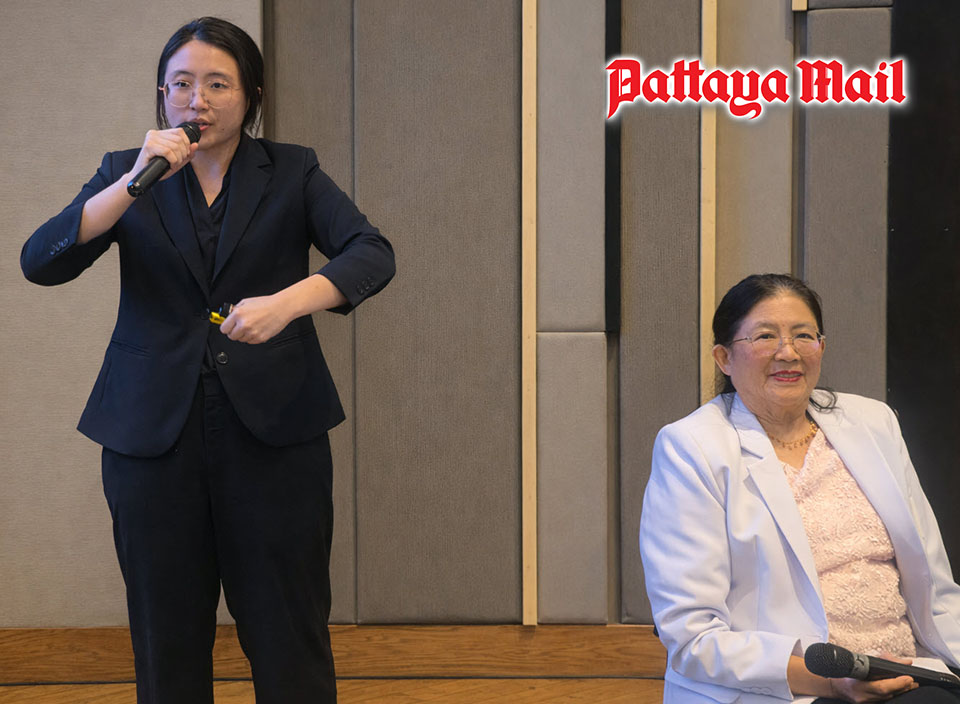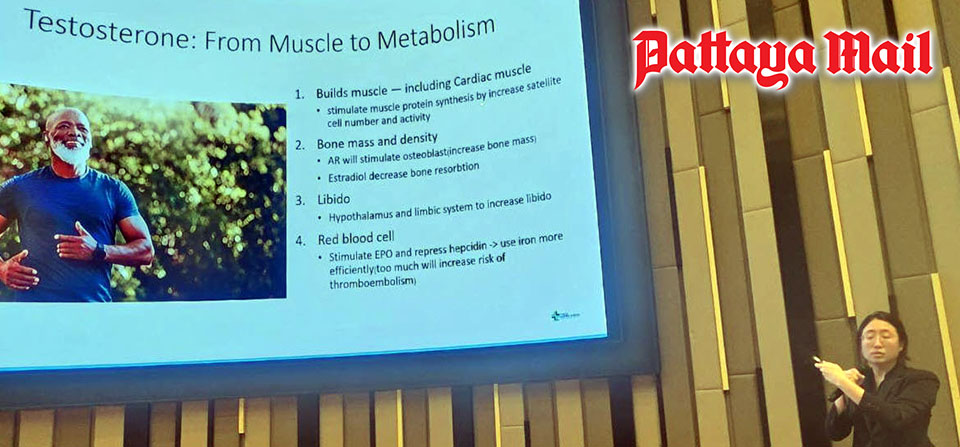
PATTAYA, Thailand – “The Mechanics of Aging Well” was to topic of a talk given by Dr. Kasama Wirojskoolchai with support from Dr. Mali Wirojskoolchai from Pacific Garden Hospital (PGH) to the Pattaya City Expats Club (PCEC) on Wednesday, July 8. They encouraged residents to look beyond lifespan and focus instead on health span: the number of years people can remain strong, active, mentally sharp and resilient.
In her talk, Dr. Kasama said aging, through regenerative medicine, is an increasingly understood process. Rather than treating aging as a mystery, she described it as a set of biological changes that can be influenced by lifestyle, prevention and, when appropriate, carefully monitored medical care.
A central message was that healthy aging depends on balance. The presentation highlighted three major biological drivers of decline: hormonal imbalance, mitochondrial dysfunction and telomere shortening. Hormones were described as the body’s communication system, while mitochondria were presented as the energy producers inside cells. When these systems are disrupted by age, chronic stress, poor diet, excess sugar, toxins or inactivity, the body may lose energy, muscle, metabolic flexibility and repair capacity.
The first focus was the sex hormone loop, including testosterone, estrogen and progesterone. Dr. Kasama said these hormones play important roles in muscle mass, bone strength, mood, energy, skin health, sleep and cognitive function. She emphasized that the goal is not simply to raise one hormone, but to keep the body’s hormonal “orchestra” in tune.
The second focus was the belly loop, centered on insulin and metabolic health. Insulin helps move glucose from the bloodstream into cells and stores excess energy for later use. But when diets are high in sugar, refined carbohydrates, unhealthy fats and ultra-processed foods, the Dr. Kasama warned, mitochondria can become overloaded and cells may become insulin resistant. That pattern can contribute to diabetes, fatty liver disease, high blood pressure, abnormal cholesterol and central obesity.
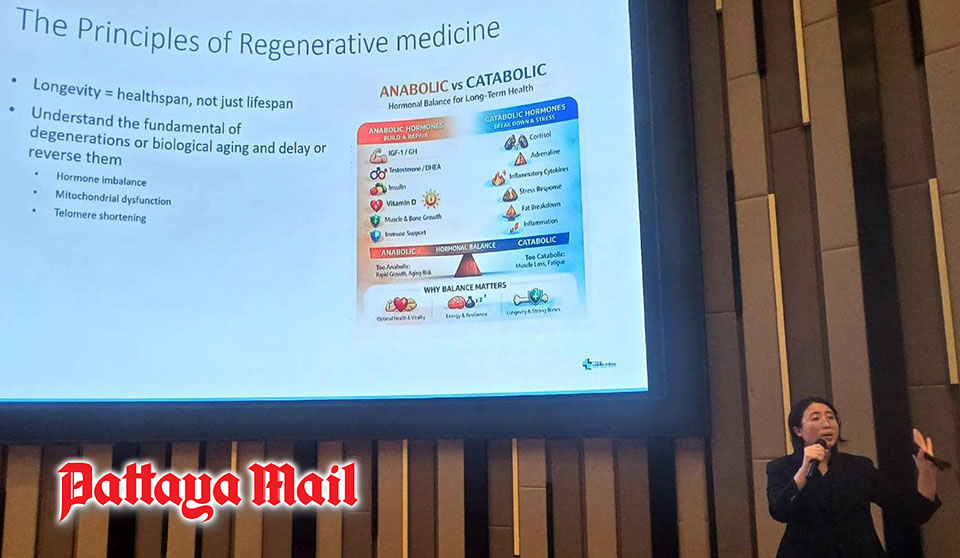
The third focus was the stress loop, driven mainly by cortisol. The presentation explained that cortisol is useful during short-term stress because it helps the body produce energy. However, when stress becomes chronic, cortisol may keep blood sugar high, encourage belly fat storage, raise blood pressure, disturb sleep and weaken immune repair. Dr. Kasama urged the audience to treat stress management as a core part of preventive health. She repeatedly pointed to exercise, sleep, nutrition and stress control as the foundation for healthier aging.
Dr. Kasama also introduced Bioidentical Hormone Replacement Therapy (BHRT) as an option for selected patients when lifestyle measures are not enough. They said hormone levels should be tested first, and treatment should be individualized, monitored and managed by qualified physicians. She cautioned against self-administering hormones, particularly testosterone, because inappropriate dosing may create health risks and disrupt the body’s natural hormone production.
During the question-and-answer session, audience members raised practical concerns familiar to many residents: whether evening green tea can affect sleep, how prostate health should be assessed before male hormone therapy, how much white rice is too much, how often older adults should have blood tests, and how GLP-1 medications may support insulin sensitivity, blood glucose control and weight management.
Dr. Kasama and Dr. Mali’s overall message was clear: aging well is not about chasing a single treatment or supplement. It requires attention to the connected systems that govern energy, metabolism, repair and resilience. For Pattaya’s growing health-conscious community, the talk offered a reminder that the most powerful interventions may begin with consistent daily choices, supported by medical testing and professional guidance when needed. They noted that BHRT is available at PGH.
Following the presentations, MC Ren Lexander brought everyone up to date on upcoming Club events followed by the Open Forum portion of the meeting where questions are asked and comments made about Expat living in Thailand, especially Pattaya. To learn more about the PCEC, visit their website at https:/pcec.club. To view the video of the presentation, visit the PCEC’s YouTube channel at: https://www.youtube.com/watch?v=xTU0gm7MaaU.