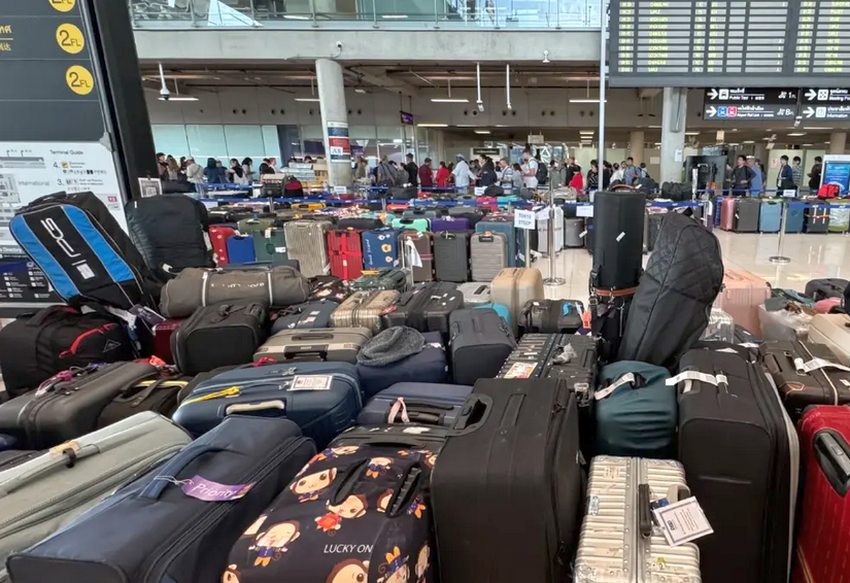
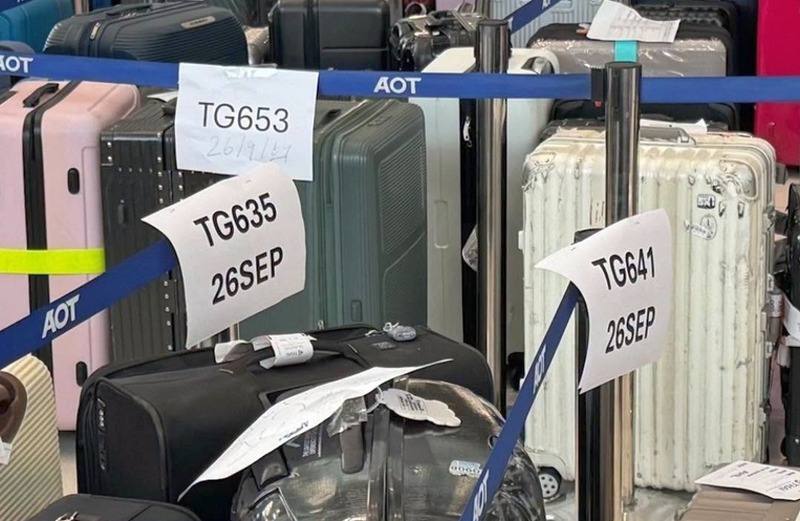
BANGKOK, Thailand – Questions are being raised over the outsourcing structure used for ground-handling services at Suvarnabhumi Airport following a major disruption that left passenger baggage stranded and temporarily halted the acceptance of air cargo. The latest information suggests that flooding was not the only factor behind the crisis. Reports have highlighted problems with the way ground-handling workers are recruited and employed, particularly the use of outsourced and freelance labor.
Thai Airways International holds a concession for certain ground services at Suvarnabhumi and has established a separate company to handle related staffing and outsourcing operations. The company was established in 2010 to provide personnel and outsourced workers to support various operations of Thai Airways. Thai Airways holds a 49% stake, while Phuket Airport Catering Company (PACCO) holds the remaining 51%.
During Thai Airways’ business rehabilitation, the airline reduced its workforce as part of efforts to restructure the organization. Outsourced workers were subsequently brought in to perform some of the duties previously handled by airline employees, increasing the role of the outsourcing company. The structure has also attracted questions because some of the company’s directors are reported to be former Thai Airways personnel from different departments. This has prompted questions about possible conflicts of interest and access to internal information, although such concerns remain matters for further examination.
More recently, reports have focused on the employment arrangements used for outsourced ground staff. Some workers are reportedly hired on a daily basis or as freelancers without permanent employment contracts. Critics say such arrangements can mean lower pay and fewer benefits compared with permanent airline employees and workers employed under more comprehensive arrangements elsewhere in the aviation sector.
The issue became particularly significant during the recent flooding crisis. Reports indicate that some temporary or freelance workers did not report for duty because of the difficult conditions, while the company had limited ability to compel them to work under the terms of their arrangements. The resulting shortage of ground staff has been cited as one factor contributing to severe disruption in baggage handling and cargo operations at Suvarnabhumi.
The airport has faced a large backlog of passenger baggage in recent days, while the temporary suspension of new air-cargo acceptance has added pressure to airlines, cargo operators and businesses relying on air freight. The situation highlights the vulnerability of critical airport operations when essential services depend heavily on temporary or outsourced labor, particularly during emergencies that make it difficult for workers to reach their workplaces. Further investigation and clarification from the companies and authorities involved will be needed to determine the respective contributions of flooding, logistics problems, staffing shortages and the outsourcing structure to the Suvarnabhumi disruption.